Parts of a Car Exterior Essential Guide for Every Car Owner
The exterior of a car consists of various parts that each serve specific purposes. From protecting the vehicle’s internal mechanisms to impacting safety and performance, knowing these parts can help you maintain and care for your vehicle better.
Understanding the parts of a car exterior is essential for any car owner. These components both contribute to the vehicle’s aesthetics and play crucial roles in safety and functionality. This guide covers the key elements, their importance, and maintenance tips.
- Understanding the Parts of a: The exterior of a car consists of various parts that each serve specific purposes..
- Key Components of a Car’s: Understanding these components helps in recognizing what might need repair or replacement over time..
- The Importance of Car Exterior: Understanding the importance of these components goes beyond aesthetics; they play a vital role.
- Materials Used in Car Exteriors: The materials used for car exteriors significantly impact durability and maintenance..
- Maintenance Tips for Car Exterior: Regular maintenance is key to prolonging the life of your car’s exterior..
Understanding the Parts of a Car Exterior
The exterior of a car consists of various parts that each serve specific purposes. From protecting the vehicle’s internal mechanisms to impacting safety and performance, knowing these parts can help you maintain and care for your vehicle better.
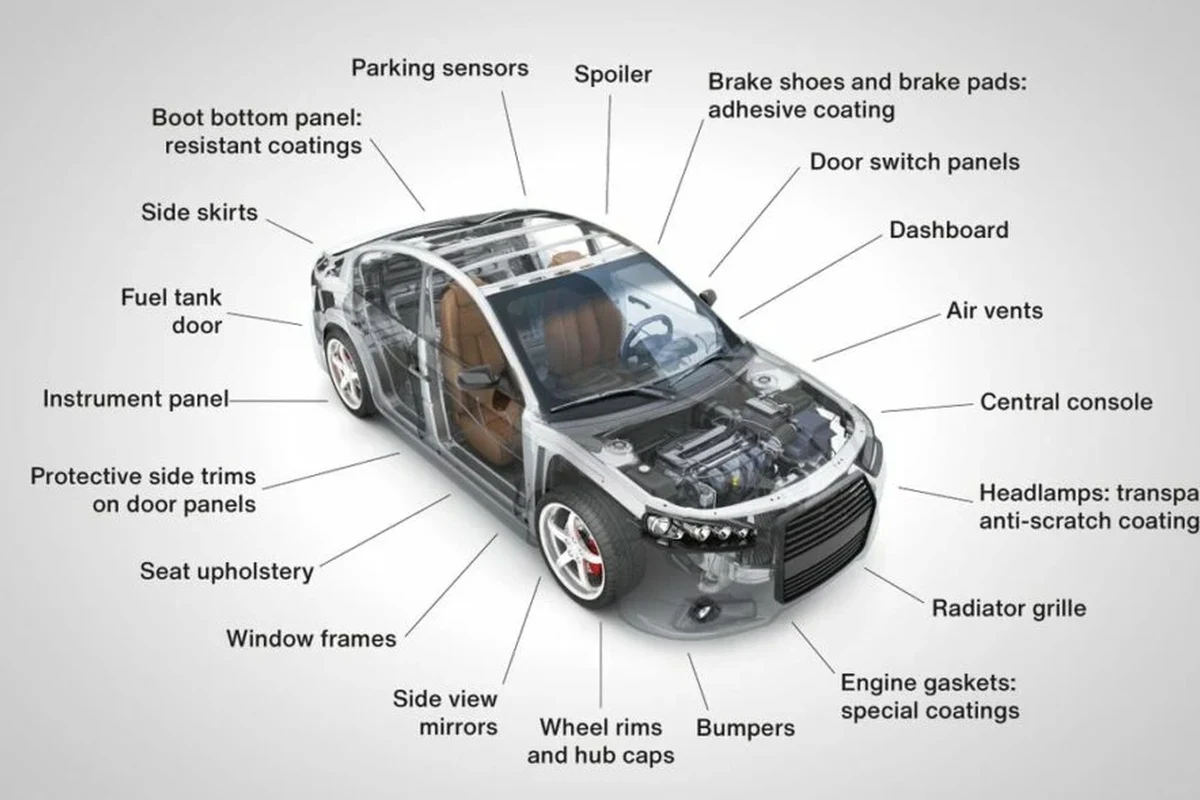
Maintenance Checklist for Car Exterior Parts
Regular maintenance of your car’s exterior parts is vital to ensure safety, performance, and aesthetics. Here are essential tasks to include in your maintenance routine: For related context, read how to charge a car battery.
- Inspect bumpers for cracks or deformities that could compromise safety during collisions.
- Check mirrors for proper alignment and functionality to maintain visibility and monitor blind spots.
- Examine doors and windows for chips or cracks that could impair visibility and lead to safety issues.
- Assess the condition of trims and badges for wear and tear, which can affect your car’s overall appearance.
- Review your owner’s manual for specific cleaning and maintenance instructions related to each exterior component.
Microfiber towels for cleaning. Soft-bristle brush for washing. Car wax for protection.
Key Components of a Car’s Exterior
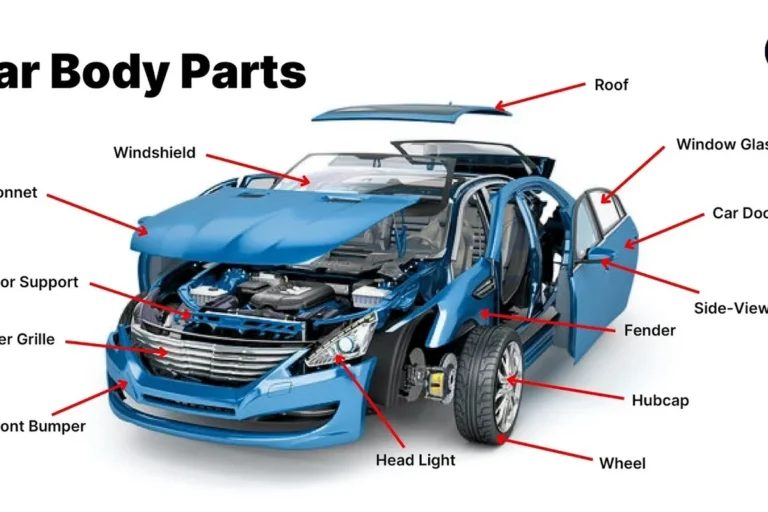
Understanding these components helps in recognizing what might need repair or replacement over time. Let’s break down some of the essential parts.
Bumpers
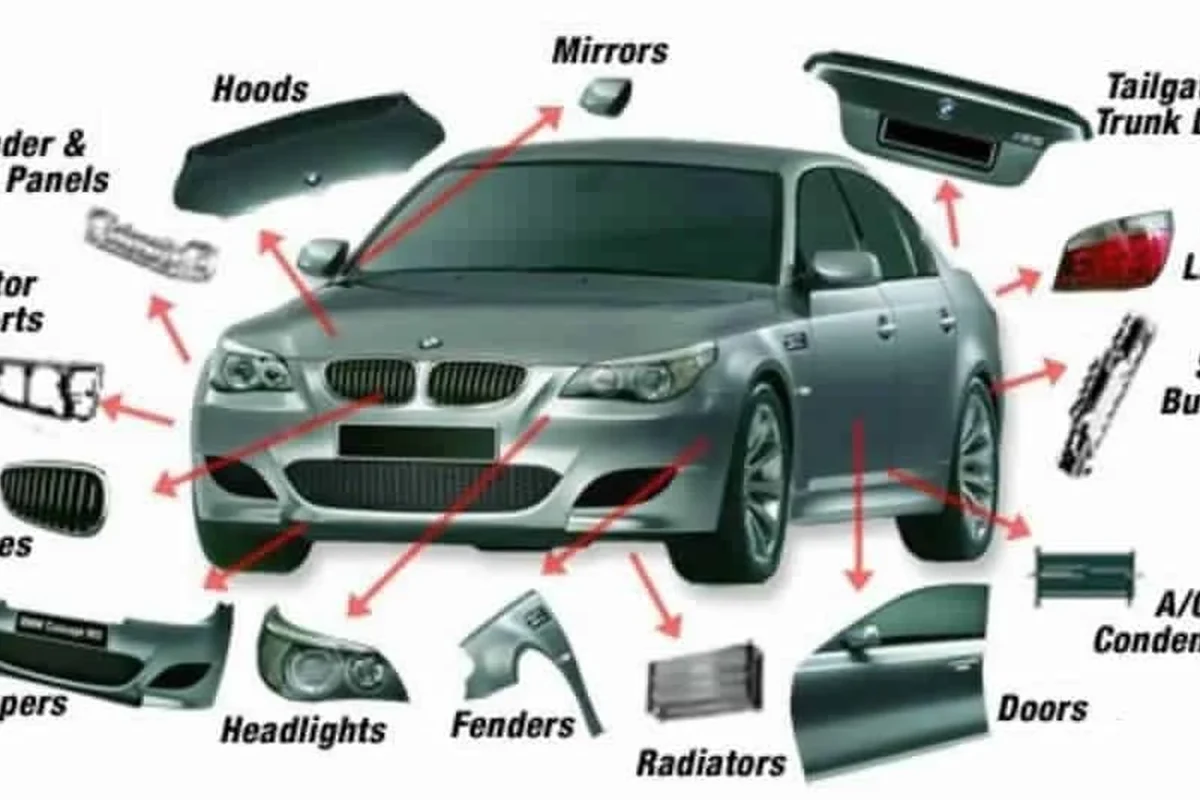
Bumpers are crucial for absorbing impacts during minor collisions. They protect the vehicle’s frame and occupants by reducing the force transferred during an accident.
Most bumpers are made from plastic, designed to withstand minor impacts, but they can crack or deform under severe stress.
Mirrors
Mirrors enhance visibility while driving, allowing you to check blind spots and monitor traffic. Side mirrors are adjustable to suit the driver’s line of sight, while rearview mirrors typically come with added features like auto-dimming or built-in cameras.
Ensure they are properly aligned and free from obstructions to maintain safety.
Hoods and Fenders
The hood covers the engine compartment, while fenders frame the wheel wells and protect other external components. Both parts can be made from steel or aluminum, impacting weight and repair costs.
Check for rust or dents regularly, as these can compromise both appearance and functionality.
Doors and Windows
Doors provide access to the vehicle while ensuring safety and security. They often incorporate features like window regulators and power locks. For official guidance on this, see IIHS vehicle safety research.
Windows, typically made of tempered glass, need to be inspected for chips or cracks, which can impair visibility and lead to safety issues.
Trims and Badges
Trims enhance the vehicle’s aesthetics, while badges signify the make and model. They can be made from various materials, including chrome and plastic. Inspect these parts regularly for wear and tear, as they can affect the overall look of your car. You can also use car battery charger and engine starter as the next practical guide.
The Importance of Car Exterior Parts
Understanding the importance of these components goes beyond aesthetics; they play a vital role in safety and performance.
Safety Features and Regulations
Many exterior parts, like bumpers and mirrors, are designed to meet safety regulations. They help absorb impacts during collisions and provide visibility to reduce accidents.
Knowing how these parts function can help you appreciate their role in keeping you and your passengers safe.
Impact on Vehicle Performance
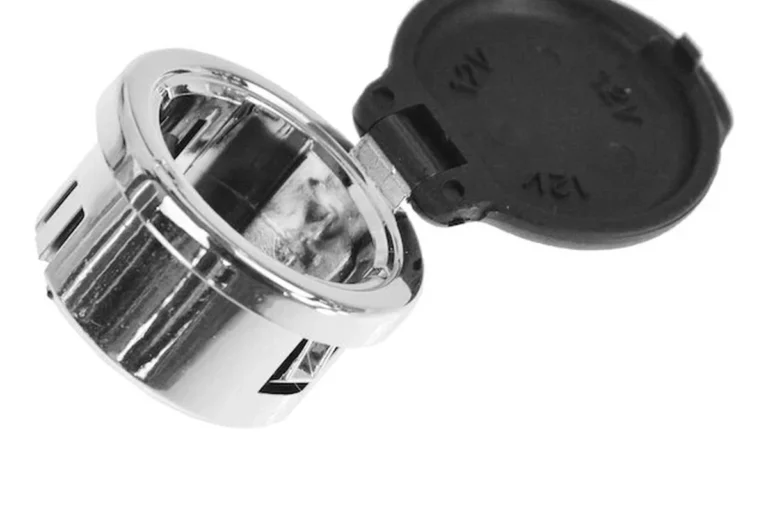
The condition of your car’s exterior can influence its aerodynamics and overall performance. For instance, a damaged bumper can affect airflow, leading to decreased fuel efficiency. Regular maintenance of these parts can help maintain optimal performance. For related context, read 12 volt accessory power outlet socket.
You have basic tools and understand your vehicle’s exterior components.
Modifications or repairs require specialized tools or knowledge.
Materials Used in Car Exteriors
The materials used for car exteriors significantly impact durability and maintenance. Understanding these materials can help in making better maintenance decisions.
Common Materials and Their Durability
Car exteriors often use plastic, fiberglass, and metal. Plastic components are lightweight and resistant to corrosion, but they can be susceptible to cracking.
Metal parts, while more durable, may rust if not properly cared for. Regular inspections can help identify potential issues early.
Environmental Resistance: Heat and UV Protection
Car exteriors must withstand harsh environmental conditions, including UV rays and temperature fluctuations. Many manufacturers apply protective coatings to enhance durability. Regular washing and waxing can help maintain these protective layers and keep both paint and material intact. You can also use terms and conditions as the next practical guide.
- Check one: Verify part numbers against your vehicle’s specifications.
- Check two: Ensure the part’s material matches OEM standards.
- Check three: Confirm the fitment type (direct vs. universal).
Maintenance Tips for Car Exterior Parts
Regular maintenance is key to prolonging the life of your car’s exterior. Here are some practical tips.
Regular Cleaning and Care
Washing your car regularly helps remove dirt, grime, and contaminants that can damage the paint. Use appropriate cleaning products that are compatible with your car’s finish. Waxing every few months adds a protective layer, enhancing shine and protection against UV damage. For official guidance on this, see EPA Safer Choice cleaning product standards.
Common Mistakes to Avoid
Avoid using abrasive materials for cleaning, as they can scratch the surface. Be cautious of parking under trees or near industrial areas where falling debris can cause damage. Regularly inspect seals around windows and doors to prevent leaks and rust. For related risk checks, compare this with editorial policy.
Understanding the parts of a car exterior is crucial for maintenance and safety. Regular inspections and proper care will extend the life of these components.
Checking Your Owner’s Manual
Your vehicle’s owner’s manual contains crucial information regarding exterior parts, including maintenance schedules and specifications. Familiarizing yourself with this guide can streamline your maintenance routine.
What to Verify About Exterior Parts
Check the manual for specific maintenance instructions regarding cleaning and care for each component. It can also provide torque specifications for any bolts related to exterior parts, ensuring everything is secure.
Understanding Fitment: Direct vs. Universal Fit
When replacing parts, it’s essential to understand the difference between direct fit and universal fit. Direct fit parts are designed specifically for your vehicle, ensuring compatibility. Universal parts may require modifications for proper installation, so always verify fitment. You can confirm compatibility details with disclaimer.
Legal Considerations for Exterior Modifications
Modifying your car’s exterior can enhance appearance or functionality but may have legal implications.
Understanding Local Regulations
Before making modifications, check local laws to ensure compliance. Some regions have regulations regarding the height of bumpers, window tinting, and lighting. Ignoring these laws can lead to fines or mandatory removal of the modifications.
Safety Limits for Exterior Changes
Ensure that any modifications do not compromise safety features. For instance, changing bumpers or mirrors could affect your vehicle’s crash safety rating. Always prioritize safety over aesthetics when considering modifications. For related risk checks, compare this with sitemap.
Key Maintenance Tips for Car Exterior Parts
Regular maintenance of your car’s exterior parts is vital for ensuring optimal safety, performance, and aesthetics. By understanding and caring for components like bumpers, mirrors, and windows, you can prevent potential issues and extend the life of your vehicle.
Regular inspections and specific maintenance tasks will keep your car in top shape and enhance its overall functionality. You can also use affiliate disclosure as the next practical guide.
- Inspect bumpers for cracks or deformities that could compromise safety.
- Check mirrors for proper alignment and functionality to maintain visibility.
- Examine doors and windows for chips or cracks that could impair visibility and safety.
This guide on parts of a car exterior is general information. Specs, ratings, fitment, prices, and procedures can change, so confirm important points with your vehicle owner manual, the manufacturer, or the retailer before acting.
Quick Questions, Answered
Car exteriors typically use plastic, fiberglass, and metal, each with its own durability characteristics. Plastic is lightweight and resistant to corrosion but prone to cracking, while metal is more durable but can rust if not properly maintained.
Bumpers are designed to absorb impacts during minor collisions, protecting both the vehicle’s frame and its occupants. Their ability to reduce the force transferred during an accident is crucial for enhancing overall safety.
Regularly check your car’s windows for chips or cracks, as these can impair visibility and lead to safety issues. Keeping windows in good condition is essential for maintaining clear sightlines while driving.
Your vehicle’s owner’s manual contains essential information about maintenance schedules and specifications for exterior parts. Familiarizing yourself with this guide helps streamline your maintenance routine and ensures proper care for each component.
Before making any modifications, it’s important to check local laws to ensure compliance with regulations regarding bumper height, window tinting, and lighting. Ignoring these laws can lead to fines or mandatory removal of the modifications.
Avoid using abrasive materials for cleaning, as they can scratch the car’s surface and damage its finish. Also, be cautious about parking under trees or near industrial areas where debris can cause exterior damage.
Closing Thoughts
Understanding the parts of a car exterior is essential for maintaining your vehicle’s performance and safety. Regular inspections, proper care, and awareness of legal considerations can help keep your car in top shape.
If you’re unsure about a specific part or modification, consult your owner’s manual or a professional mechanic for guidance.