Car Battery Charger and Engine Starter for Reliable
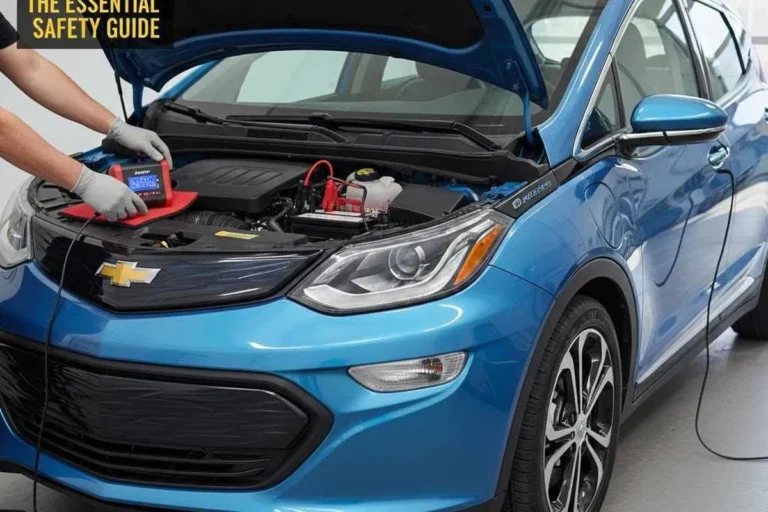
A car battery charger replenishes the energy in your vehicle’s battery, while an engine starter provides the necessary power to crank the engine. Both devices are crucial for maintaining vehicle readiness, especially in adverse conditions or after long periods of inactivity.
A car battery charger and engine starter ensures your vehicle starts reliably, especially during cold weather or after prolonged inactivity. This guide covers how to choose the right charger/starter for your needs, the specs to consider, and tips for effective use.
- Understanding Car Battery Chargers and: A car battery charger replenishes the energy in your vehicle’s battery, while an engine.
- Choosing the Right Car Battery: Selecting the right battery charger and engine starter depends on your vehicle type and.
- Understanding Peak Amps vs. Cranking: Peak amps indicate the maximum power a jump starter can deliver for a short.
- Smart Charging Modes: What You: Many modern chargers feature smart charging modes that can automatically adjust the power output.
- Step-by-Step Guide to Jump-Starting Your: Here’s a straightforward method for safely jump-starting a vehicle.
Understanding Car Battery Chargers and Engine Starters
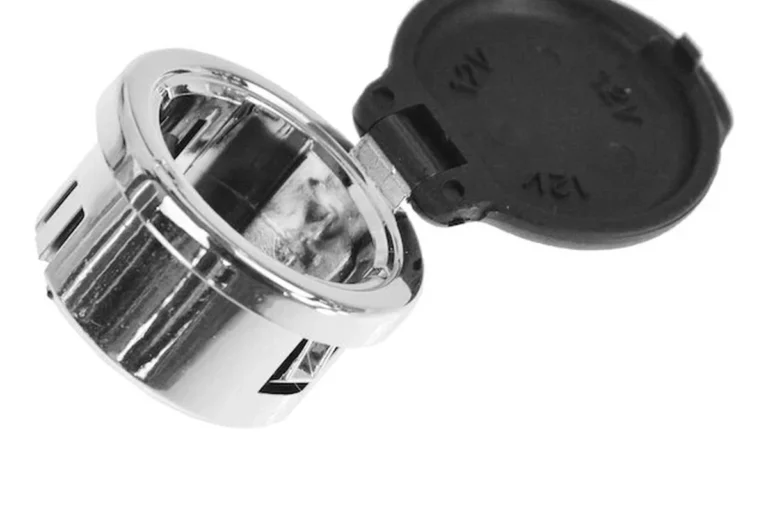
A car battery charger replenishes the energy in your vehicle’s battery, while an engine starter provides the necessary power to crank the engine. Both devices are crucial for maintaining vehicle readiness, especially in adverse conditions or after long periods of inactivity. For related context, read 12 volt accessory power outlet socket.
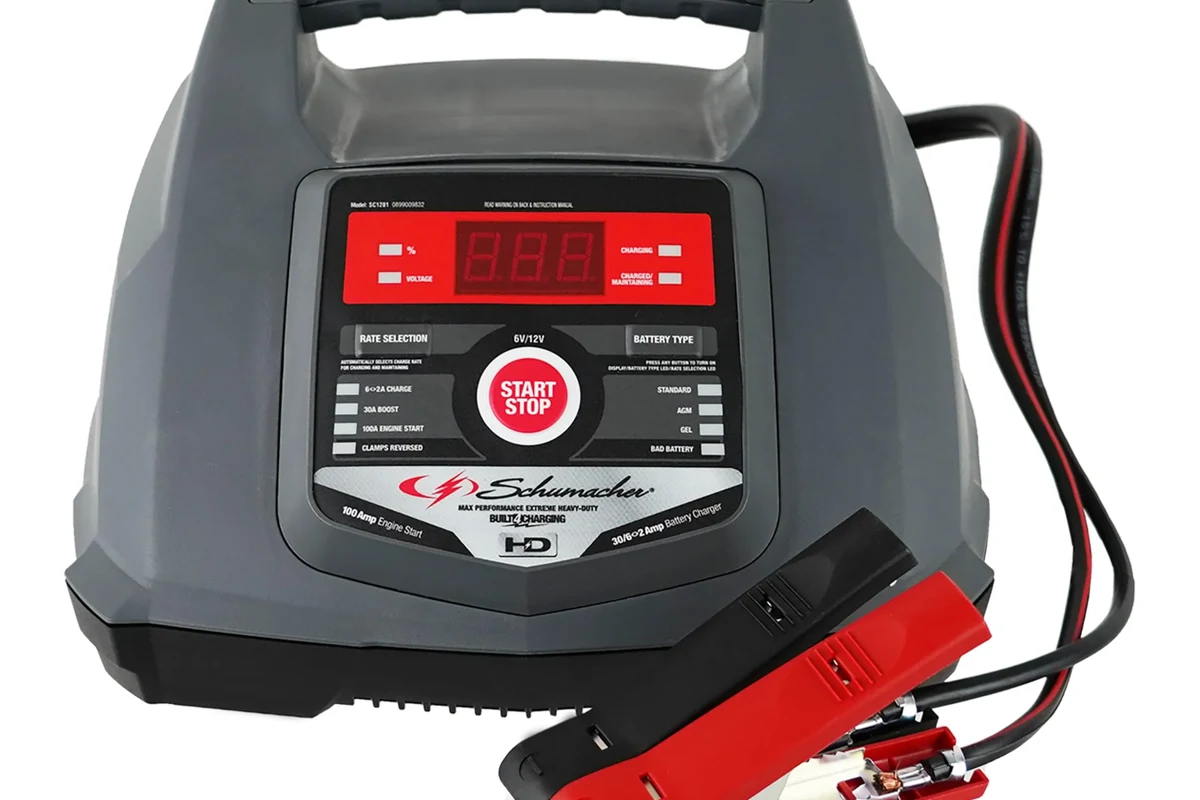
- Check one: Battery type (lead-acid, AGM, lithium).
- Check two: Amperage requirements for your vehicle.
- Check three: Size and weight for storage and portability.
Choosing the Right Car Battery Charger and Engine Starter
Selecting the right battery charger and engine starter depends on your vehicle type and the battery specifications. Factors such as battery chemistry, amperage requirements, and size play a significant role in ensuring compatibility and performance.
Specifications to Consider for Optimal Performance
When shopping for a car battery charger and engine starter, focus on the following specifications: You can also use editorial policy as the next practical guide.
- Amperage: Higher amperage means faster charging. Look for chargers with at least 10A for efficient charging.
- Battery Type Compatibility: Ensure the charger supports your battery type, whether lead-acid, AGM, or lithium.
- Size & Weight: Consider the portability of the unit, especially if you need it for emergency situations.
- Safety Features: Look for reverse polarity protection and overcharge protection to prevent damage.
Understanding Peak Amps vs. Cranking Amps
Peak amps indicate the maximum power a jump starter can deliver for a short burst, while cranking amps measure the sustained power it can provide over a longer period.
For most vehicles, look for at least 400 cranking amps to ensure reliable starting in cold weather. For another head-to-head, read disclaimer.
Always check the charger’s compatibility with your battery type before use. Verify the voltage and amperage settings. For official guidance on this, see Battery Council International.
Smart Charging Modes: What You Need to Know
Many modern chargers feature smart charging modes that can automatically adjust the power output based on the battery’s needs. This technology helps prevent overcharging and extends the battery’s lifespan.
Charging Different Battery Chemistries
Different battery types require specific charging protocols:
Lead-Acid: Standard charging methods are usually sufficient. AGM: Requires a charger that can deliver a lower voltage to avoid damage. Lithium: Often needs a specialized charger designed for lithium batteries. You can also use terms conditions as the next practical guide.
- Peak vs cranking
- Peak amps versus sustained cranking amps.
- Engine size
- Largest gas or diesel engine it is rated to start.
- Chemistry
- Lithium or lead-acid, and charger modes for AGM.
Exact figures vary by model and vehicle, so confirm them in the owner manual or on the current product page.
Step-by-Step Guide to Jump-Starting Your Vehicle
Here’s a straightforward method for safely jump-starting a vehicle:
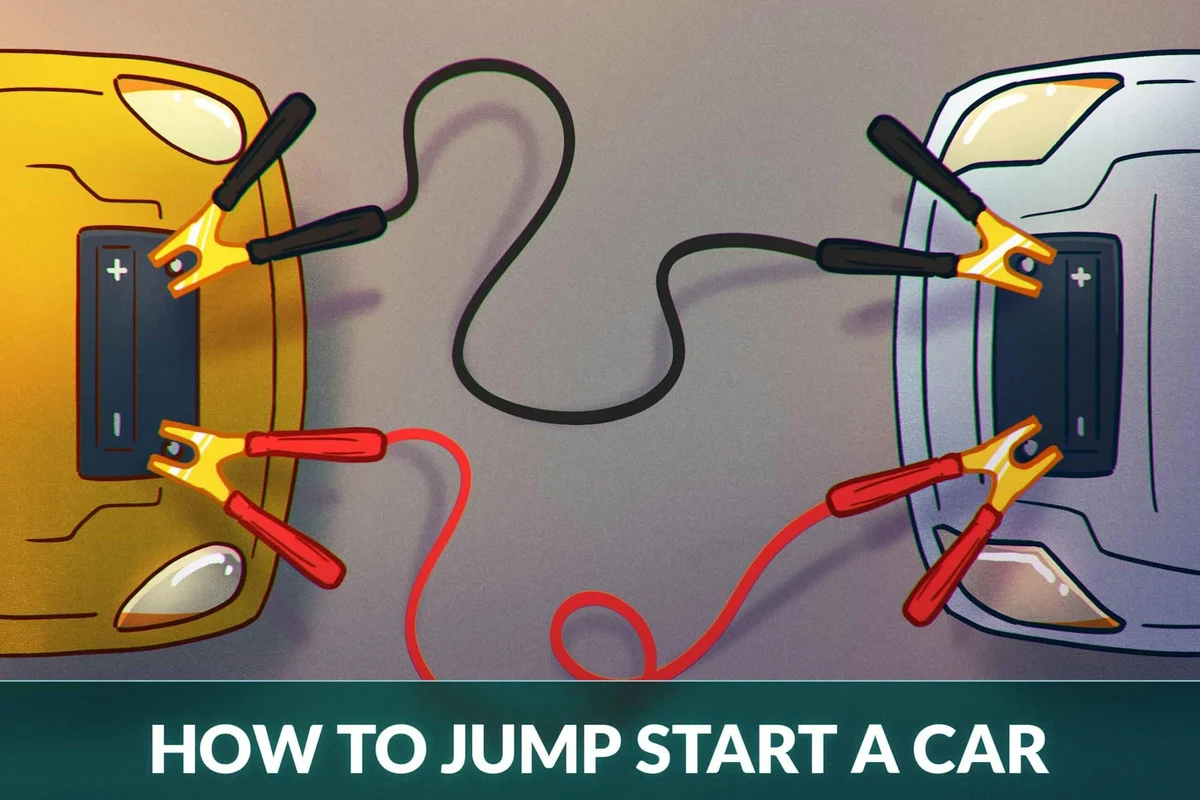
- Prepare: Ensure both vehicles are turned off and in park. Open the hoods and locate the batteries.
- Connect: Attach the positive (red) clamp to the dead battery’s positive terminal, then connect the other end to the good battery.
- Ground: Connect the negative (black) clamp to the good battery’s negative terminal, then attach the other end to a ground point on the dead vehicle.
- Start: Start the good vehicle, wait a few minutes, then attempt to start the dead vehicle.
- Disconnect: Once started, remove the cables in reverse order.
Common Drawbacks and Alternatives in Battery Solutions
Battery chargers and jump starters can have limitations. For example, cheaper models may lack essential safety features, and some may not support modern battery types. Consider investing in a higher-quality unit or exploring alternatives like portable power stations if you need versatility. For related context, read sitemap.
Maintenance Tips for Longevity and Reliability
To ensure your battery charger and engine starter remain reliable, follow these maintenance tips: For official guidance on this, see CPSC consumer product safety.
- Regular Testing: Periodically check the device’s functionality by testing it on your vehicle.
- Proper Storage: Store in a cool, dry place to prevent damage from moisture.
- Keep Clean: Wipe down the clamps and connections to remove corrosion.
Garage Tip: Always keep your jump starter fully charged, especially before long trips or winter months.
Choosing the Right Car Battery Charger and Engine Starter
Selecting the appropriate car battery charger and engine starter is essential for ensuring your vehicle remains reliable, particularly in challenging conditions. Focus on the amperage for faster charging, compatibility with your battery type, and essential safety features to enhance performance and longevity.
Verify the compatibility with your battery type (lead-acid, AGM, lithium). Check the minimum amperage requirements for efficient charging (at least 10A recommended). Consider the size and weight for easy storage and portability. You can also use affiliate disclosure as the next practical guide.
This guide on car battery charger and engine starter is general information. Specs, ratings, fitment, prices, and procedures can change, so confirm important points with your vehicle owner manual, the manufacturer, or the retailer before acting.
Frequently Asked Questions
When shopping for a car battery charger and engine starter, focus on amperage, battery type compatibility, size, weight, and safety features. Amperage affects charging speed, while compatibility ensures the charger meets your battery’s specific needs.
Peak amps indicate the maximum power a jump starter can deliver for a short burst, while cranking amps measure the sustained power available over a longer period. For reliable starting in cold weather, look for at least 400 cranking amps.
Many modern chargers feature smart charging modes that automatically adjust power output based on the battery’s needs, helping to prevent overcharging. This technology can significantly extend the lifespan of your battery.
To jump-start a vehicle, first connect the positive clamp from the dead battery to the good battery, followed by grounding the negative clamp. After starting the good vehicle, wait a few minutes before attempting to start the dead vehicle and then disconnect the cables in reverse order.
To ensure reliability, regularly test the device’s functionality and store it in a cool, dry place to avoid moisture damage. Keeping the jump starter fully charged is also essential, particularly before long trips or during winter months.
Cheaper models may lack essential safety features and may not support modern battery types. Investing in a higher-quality unit can help mitigate these risks and improve performance.
Closing Thoughts
Choosing a car battery charger and engine starter involves understanding your vehicle’s needs and the specifications that ensure compatibility and performance. By following the guidelines outlined in this article, you can make a reliable choice and maintain your vehicle’s readiness.