Car Battery Charger vs Jumper Which One Is Best for You
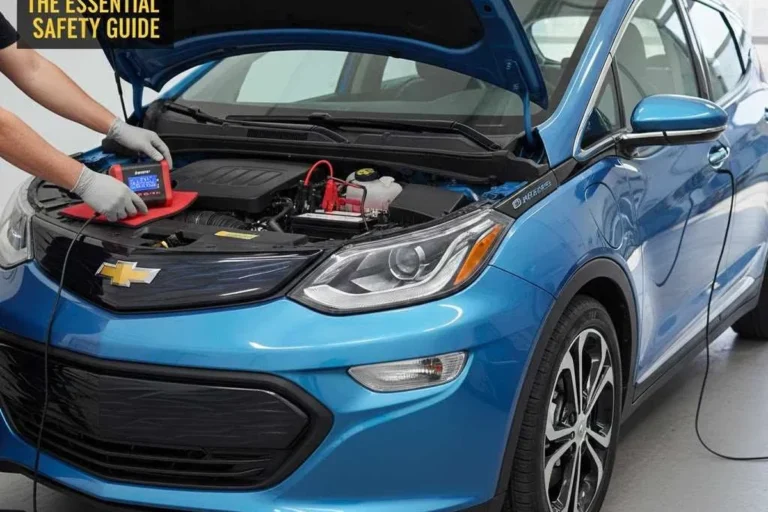
Car battery chargers and jumpers are both designed to address battery issues, but they operate in fundamentally different ways. A battery charger slowly replenishes a battery’s charge, making it ideal for long-term storage or maintenance.
If you’re weighing the options between a car battery charger and a jumper, each serves a distinct purpose. A charger replenishes battery power over time, while a jumper provides a quick boost for starting a vehicle.
Understanding the differences can help you choose the right tool for your needs.
- Usage Purpose: Chargers are for long-term charging, while jumpers provide quick boosts.
- Amperage Ratings: Understand cranking and peak amps for effective use.
- Battery Compatibility: Ensure your device is suitable for your specific battery type.
- Safety Features: Look for reverse polarity and overload protection in devices.
Understanding Car Battery Chargers and Jumpers
Car battery chargers and jumpers are both designed to address battery issues, but they operate in fundamentally different ways. A battery charger slowly replenishes a battery’s charge, making it ideal for long-term storage or maintenance.
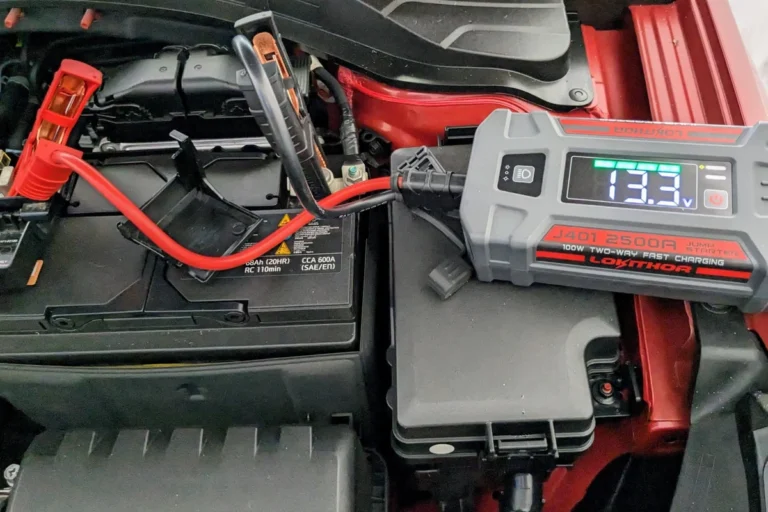
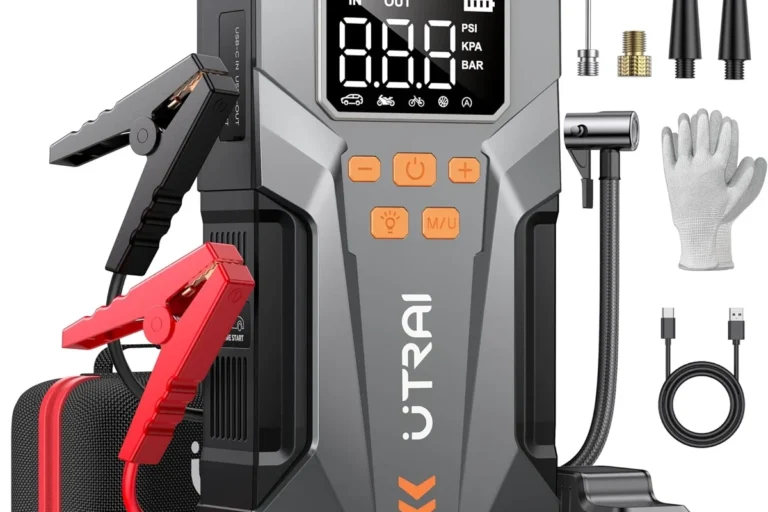
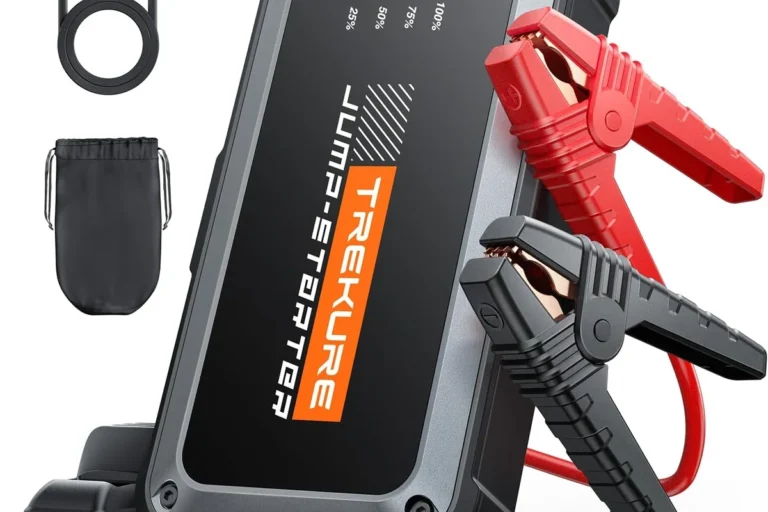
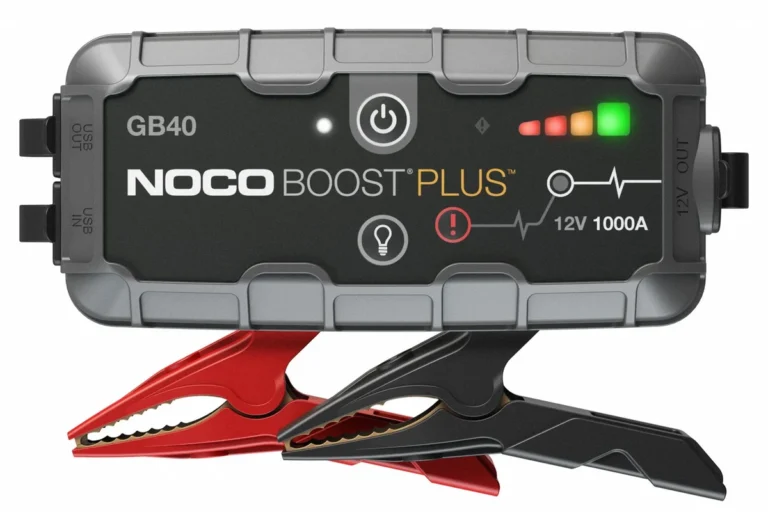
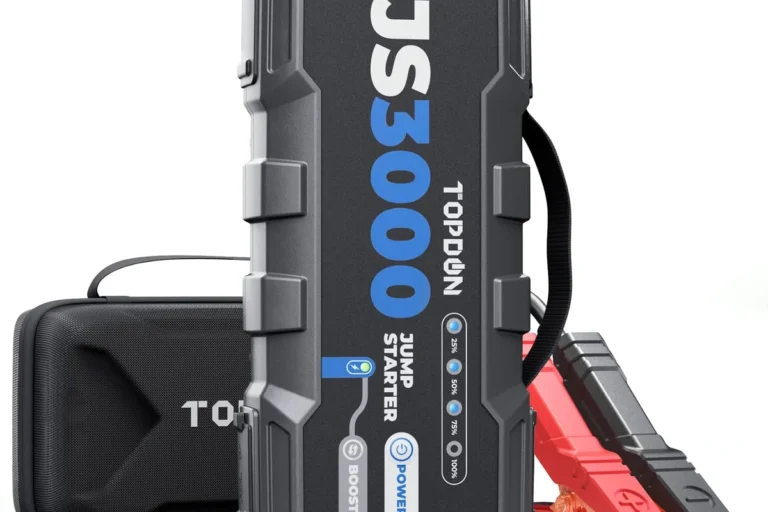
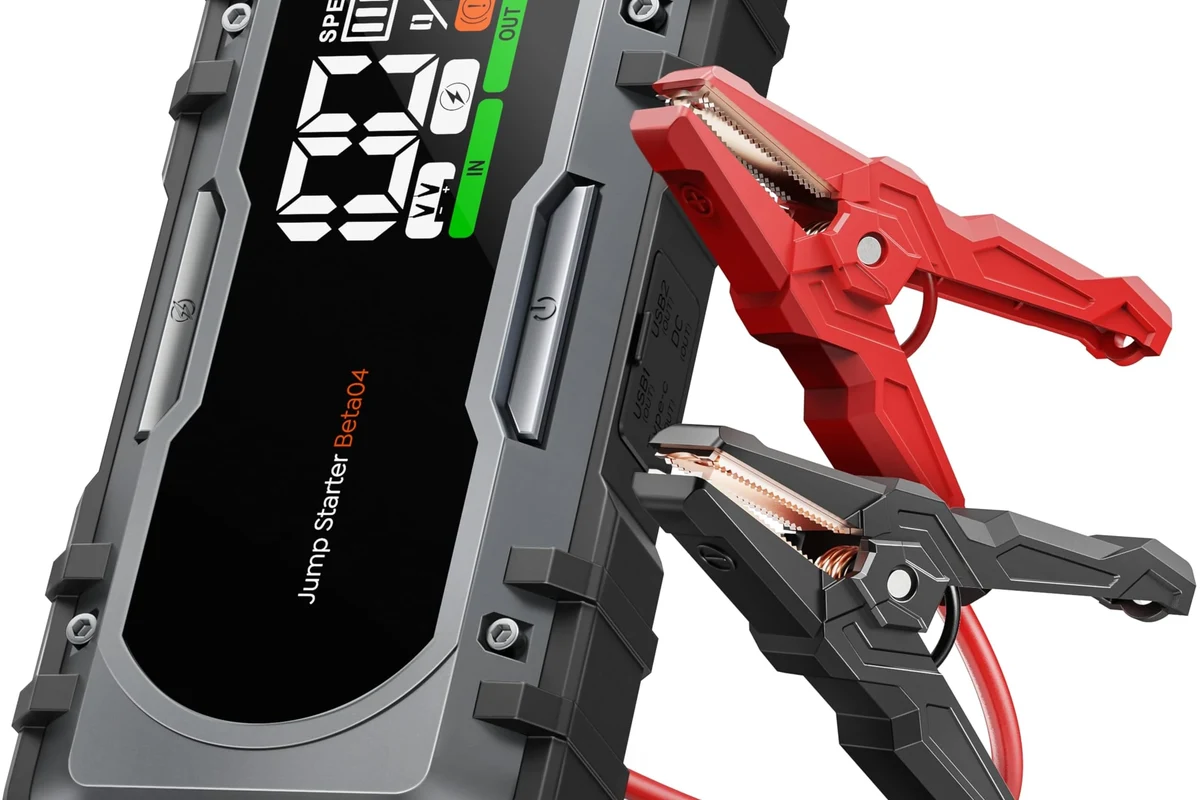
In contrast, a jumper, or jump starter, is a portable device that provides a quick burst of power to start a vehicle with a dead battery. For related context, read how to charge a car battery.
| Feature | Battery Charger | Jumper |
|---|---|---|
| Function | Replenishes battery charge slowly | Provides quick power boost |
| Use Case | Long-term storage or maintenance | Starting a vehicle with a dead battery |
| Portability | Typically stationary | Highly portable |
| Time to Charge | Hours to days | Instantaneous |
- Peak vs cranking
- Peak amps versus sustained cranking amps.
- Engine size
- Largest gas or diesel engine it is rated to start.
- Chemistry
- Lithium or lead-acid, and charger modes for AGM.
Exact figures vary by model and vehicle, so confirm them in the owner manual or on the current product page.
Car Battery Charger vs Jumper: What’s the Difference?
The primary difference between a battery charger and a jumper lies in their intended use. A charger is typically used when you have time to let the battery recharge fully, while a jumper is for immediate needs. Here’s a quick breakdown: This choice also connects with car battery charger and engine starter.
- Battery Charger: Best for regular maintenance and recharging a battery. It can take several hours to fully charge a battery.
- Jumper: Provides a quick power boost to start a vehicle, usually in a matter of minutes.
Key Features to Consider in Battery Chargers and Jumpers
When choosing between a car battery charger and a jumper, specific features can significantly influence your decision. Understanding these features helps determine which tool fits your needs best.
Amperage Ratings: Cranking Amps vs. Peak Amps
Amperage ratings are crucial in understanding how effective a charger or jumper will be. Cranking amps (CA) refer to the power available to start a vehicle in cold temperatures, while peak amps (PA) indicate the maximum power available for a short burst. For official guidance on this, see Battery Council International.
Cranking Amps (CA): Essential for starting vehicles in cold weather or with larger engines. Peak Amps (PA): Useful for providing a quick start but may not be sustained for long periods.
Battery Compatibility: Which Type is Right for You?
Battery chargers and jumpers are not universally compatible. Understanding your vehicle’s battery type is essential. Most vehicles use lead-acid batteries, but some may have AGM or lithium batteries. Ensure your chosen device can safely charge or jump your specific battery type. For related fitment checks, see 12 volt accessory power outlet socket.
Compare the deciding spec, build quality, and warranty.
Run the same checks, then compare price and support.
Best-Fit Scenarios for Using Each Option
Different situations call for different solutions. Knowing when to use a battery charger versus a jumper can save you time and hassle. Here are some scenarios: You can confirm compatibility details with terms and conditions.
- Use a Battery Charger When: You have time to charge the battery overnight, or you’re maintaining a seasonal vehicle that won’t be used for a while.
- Use a Jumper When: You need to get back on the road quickly, like when you’re stuck in a parking lot or at home with a dead battery.
Lithium jump packs self-discharge and cold hurts them, so a pack that worked in summer can be flat by winter unless you top it up every few months.
Safety Features and Usage Guidelines
Safety is critical when working with car batteries. Both chargers and jumpers come with essential safety features, such as reverse polarity protection and short-circuit prevention. Always follow manufacturer instructions and safety guidelines to avoid accidents.

Reverse Polarity Protection: Ensures that you can’t accidentally connect the clamps backward, which can damage the battery and cause sparks. Overload Protection: Prevents the device from overheating and failing during use. For related risk checks, compare this with editorial policy.
- Compare the one spec that decides the job first, then price.
- Check warranty and support on both options, not only the feature list.
- Check whether either option needs extra adapters or accessories.
Cost Comparison: Battery Chargers and Jumpers
Cost can be a deciding factor in choosing between a battery charger and a jumper. Generally, battery chargers are less expensive than jump starters. However, prices can vary significantly based on features, brand reputation, and the models available.
Typically, you can expect:
Battery Chargers: Prices range from $30 to $150, depending on features and amperage. Jump Starters: Prices range from $50 to $200, with higher-end models offering more features. This choice also connects with disclaimer.
Environmental Factors and Performance
Environmental conditions can impact the performance of both chargers and jumpers. Cold temperatures can reduce a battery’s efficiency and affect how well these devices function. For official guidance on this, see CPSC consumer product safety.
For instance, jump starters may struggle in extreme cold, while battery chargers often take longer to fully recharge in low temperatures.
Always check the manufacturer’s specifications regarding performance in various climates, especially if you live in an area with harsh winters. For related context, read sitemap.
For regular vehicle maintenance, a battery charger is the right choice. If you often find yourself needing a quick start, a jumper might be more suitable.
Choosing Between a Car Battery Charger and a Jumper
When deciding between a car battery charger and a jumper, consider your immediate needs: a charger is best for long-term battery maintenance and recharging, while a jumper is essential for quick starts in emergencies.
Assess your typical driving habits and battery health to determine which tool will serve you best. You can also use affiliate disclosure as the next practical guide.
- Evaluate if you need immediate power or long-term battery maintenance.
- Check the compatibility of the device with your vehicle’s battery type.
- Consider the environmental conditions where you’ll be using the device.
This guide on car battery charger vs jumper is general information. Specs, ratings, fitment, prices, and procedures can change, so confirm important points with your vehicle owner manual, the manufacturer, or the retailer before acting.
Questions Drivers Ask
Verify whether your vehicle’s battery type is compatible with the charger or jumper you plan to use.
Charging a battery with a charger can take several hours, depending on the charger’s amperage and the battery’s capacity.
Not all jumpers are safe for every battery type. Check compatibility with your vehicle’s battery before use.
Look for features like reverse polarity protection, overheat protection, and automatic shutoff to ensure safe usage.
Battery chargers typically range from $30 to $150 depending on the features and amperage.
Yes, cold weather can reduce battery performance, making it harder for both chargers and jumpers to work effectively.
The Bottom Line
Choosing between a car battery charger and a jumper comes down to your specific needs and usage scenarios. A charger is ideal for maintenance and longer-term solutions, while a jumper is perfect for quick starts in emergencies.
Assess your typical driving habits and battery health to make the best choice.