Battery Jumper vs Charger Which Is Better for Quick Starts
Choosing between a battery jumper and a charger often comes down to your immediate needs. If you’re looking for a quick fix to start your car, a jumper is the better option.
In the debate of battery jumper vs charger, the choice depends on your needs. A battery jumper offers quick starts, while a charger provides long-term maintenance. Understanding their differences helps you make the right decision for your vehicle.
- Understanding Battery Jumpers and Chargers: Battery jumpers and chargers serve distinct purposes in car care..
- Battery Jumper vs Charger: Quick: Choosing between a battery jumper and a charger often comes down to your immediate.
- Battery Chargers: Long-Term Care for: Battery chargers are essential for maintaining battery health..
- Key Features to Look for: When selecting a battery jumper or charger, pay attention to specific features that can.
- Side-by-Side Comparison: Battery Jumper vs: Comparing battery jumpers and chargers reveals key differences in performance, use cases, and convenience..
Understanding Battery Jumpers and Chargers
Battery jumpers and chargers serve distinct purposes in car care. While jumpers provide an immediate boost to start a vehicle, chargers replenish battery power over time.
Each has its ideal use case, making it essential to know when to use one over the other.
| Feature | Battery Jumper | Charger |
|---|---|---|
| Purpose | Provides an immediate boost to start a vehicle | Replenishes battery power over time |
| Usage Scenario | Best for quick starts in emergencies | Ideal for regular maintenance and long-term battery care |
| Time Required | Instant | Varies (hours to overnight) |
| Portability | Generally compact and easy to carry | Can be larger, often stationary |
What Sets Battery Jumpers Apart from Chargers?
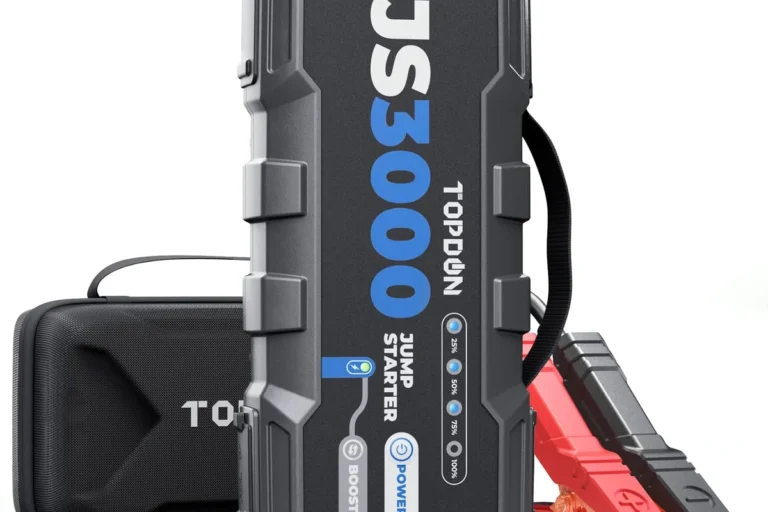
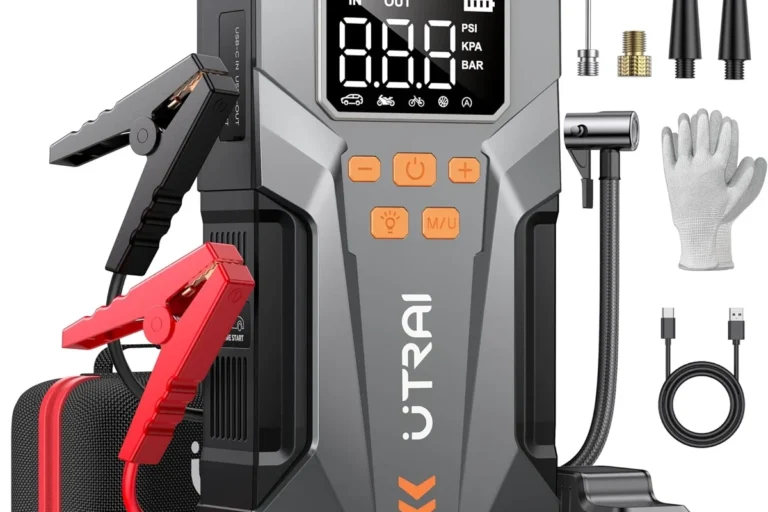
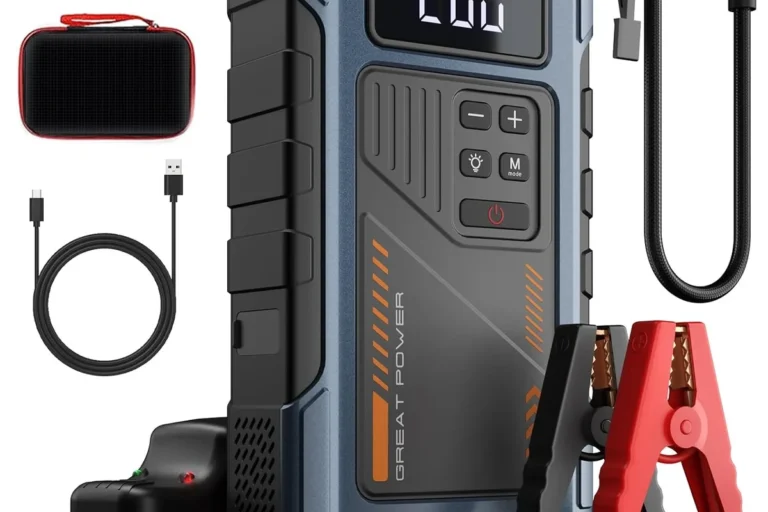
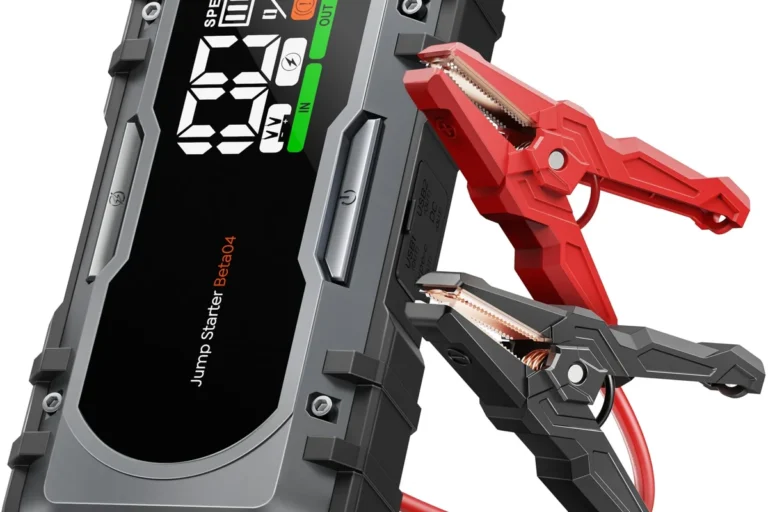
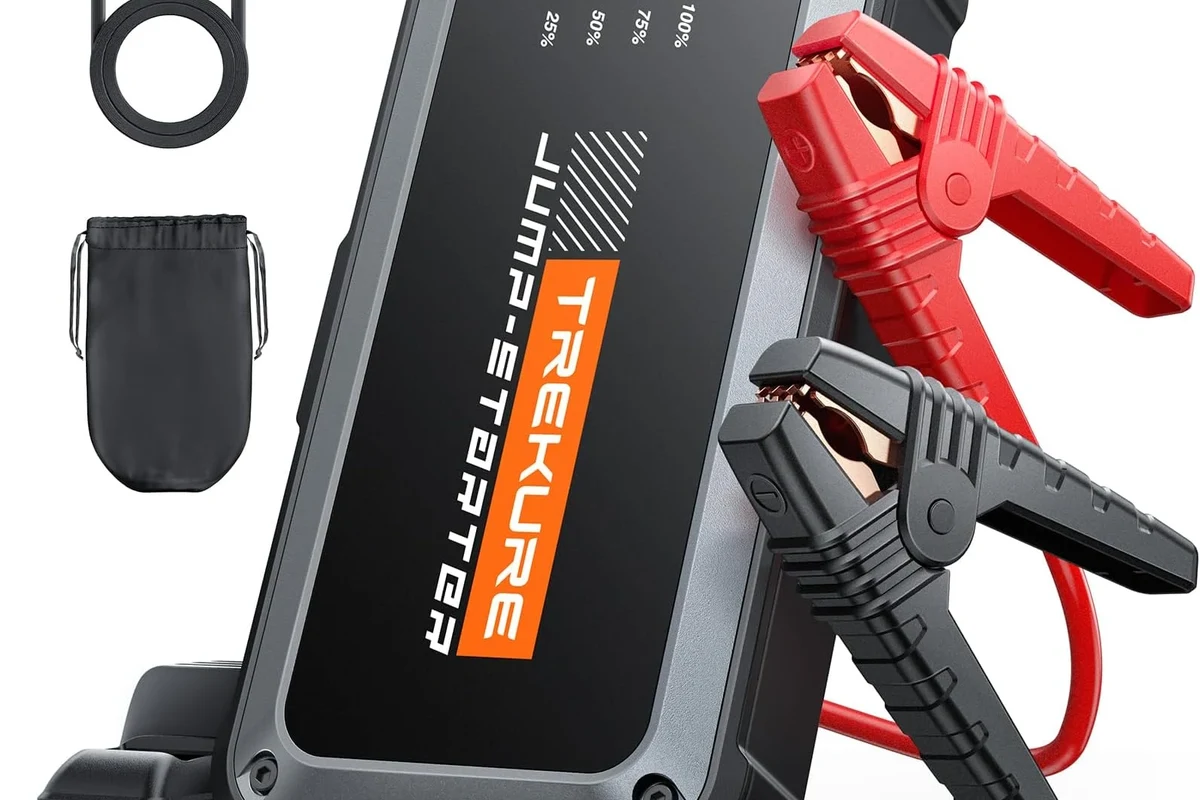
Battery jumpers, often called jump starters, are portable devices designed to give your car’s battery a quick boost. They typically have a built-in battery and allow you to start your vehicle without needing another car.
In contrast, chargers are designed to connect to your car’s battery and restore its charge over several hours or overnight, making them ideal for long-term maintenance. For related context, read how to charge a car battery.
Battery Jumper vs Charger: Quick Solutions for Starting Your Car
Choosing between a battery jumper and a charger often comes down to your immediate needs. If you’re looking for a quick fix to start your car, a jumper is the better option.
Conversely, if you want to maintain your battery health over time, a charger is more suitable.
The Functionality of Battery Jumpers
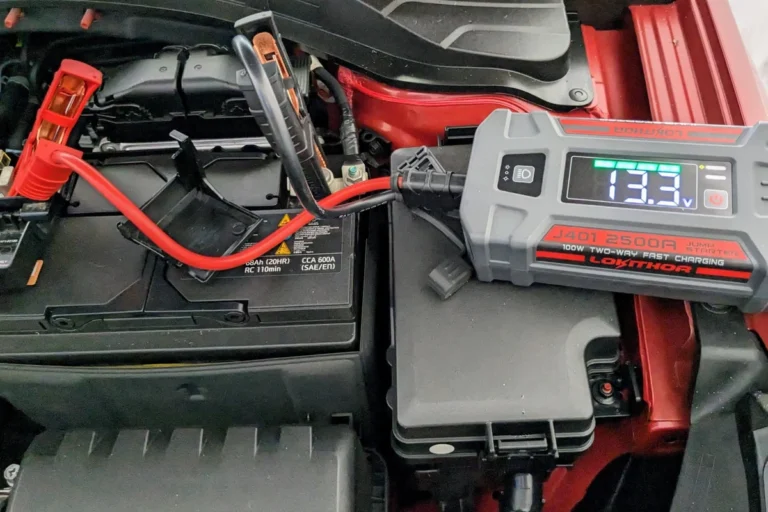
Battery jumpers work by providing a surge of power directly to the vehicle’s battery. They come with clamps that connect to the battery terminals, allowing for a quick start. For official guidance on this, see Battery Council International.
Most models have safety features like reverse polarity protection, which prevents damage if the clamps are connected incorrectly. You can also use car battery charger and engine starter as the next practical guide.
Best Fit Scenarios for Using a Battery Jumper
- When your car battery is dead or significantly drained.
- If you need to start a vehicle quickly without waiting for a full charge.
- For emergencies, especially in remote locations where help may not be available.
- Check one: Ensure the charger is compatible with your battery type (lead-acid, AGM).
- Check two: Verify the voltage rating matches your vehicle (12V for most cars).
- Check three: Confirm the amperage output is suitable for your battery size.
Battery Chargers: Long-Term Care for Your Vehicle’s Battery
Battery chargers are essential for maintaining battery health. They provide a steady flow of electricity to recharge the battery over an extended period. Using a charger regularly can prolong battery life and prevent future dead battery situations.
How Battery Chargers Operate
Battery chargers connect directly to the battery, providing a controlled charge. They can be fully automatic, meaning they monitor the battery’s charge level and adjust the power accordingly. This feature helps prevent overcharging, which could damage the battery.
When to Use a Battery Charger Instead
When your battery is frequently drained due to short trips or inactivity. If you notice signs of battery weakness, like slow engine cranking. For long-term storage of a vehicle; a charger can maintain battery health while not in use. For related context, read 12 volt accessory power outlet socket.
Key Features to Look for in Jumpers and Chargers
When selecting a battery jumper or charger, pay attention to specific features that can impact performance and safety. Understanding these features will help you choose the right tool for your needs.
Comparing Build Quality and Safety Features
Look for jumpers and chargers made from durable materials, such as high-quality plastic or rubberized coatings. Safety features like spark-proof clamps, reverse polarity protection, and overcharge protection are essential for safe operation.
A well-built device will last longer and perform better under demanding conditions.
Understanding Ratings and Warranties
Check the ratings for both jumpers and chargers. For jumpers, look for peak amps and cranking amps—these figures indicate how much power the device can deliver. For official guidance on this, see NHTSA vehicle safety guidance.
For chargers, consider the charging speed (measured in amps) and the warranty offered by the manufacturer, as this reflects confidence in the product’s durability. You can also use terms and conditions as the next practical guide.
- Rating
- Peak amps for jumpers, charging amps for chargers.
- Size / Drive
- 12V compatibility for cars.
- Build
- Durable plastic or metal casing.
Exact figures vary by model, so confirm them on the current listing.
Side-by-Side Comparison: Battery Jumper vs Charger
Comparing battery jumpers and chargers reveals key differences in performance, use cases, and convenience. This side-by-side analysis helps clarify which tool is best suited for your situation. For another head-to-head, read editorial policy.
Pros and Cons of Each Option
| Option | Best For | What to Check |
|---|---|---|
| Battery Jumper | Quick starts, emergency situations | Peak amp rating, safety features |
| Battery Charger | Long-term battery maintenance | Charging speed, voltage compatibility |
Parts and tools wear with use and weather, so judge them on how they hold up after months, not on a single job.
Making the Right Choice: Who Should Use What?
Deciding between a battery jumper and a charger depends on your driving habits and needs. Understanding your typical scenarios will guide your purchase and use of these tools. You can also use disclaimer as the next practical guide.
Considerations for Different Driver Scenarios
- If you often find yourself in remote areas or have an old battery, a jumper is essential.
- For drivers who use their vehicles infrequently, a charger can help maintain battery health.
- Fleet or commercial users may benefit from both tools to ensure reliability across multiple vehicles.
You are comfortable working with electrical systems and have basic safety knowledge.
You are unsure about battery issues or electrical systems; professional help ensures safety and accuracy.
Choosing Between a Battery Jumper and a Charger
When deciding between a battery jumper and a charger, consider your immediate needs: a battery jumper is ideal for quick starts during emergencies, while a charger is best for long-term battery maintenance.
Understanding these distinct purposes will help you select the right tool to ensure your vehicle runs smoothly and efficiently.
Use a jumper for quick starts when the battery is dead or significantly drained. Opt for a charger if your battery is frequently drained or for long-term storage maintenance. Check compatibility and safety features before purchasing either device. For related context, read sitemap.
This guide on battery jumper vs charger is general information. Specs, ratings, fitment, prices, and procedures can change, so confirm important points with your vehicle owner manual, the manufacturer, or the retailer before acting.
Questions Worth Asking
A battery jumper provides a quick surge of power to start a vehicle immediately, while a charger replenishes battery power over an extended period. This distinction makes jumpers ideal for emergencies and chargers better for long-term battery maintenance.
You should use a battery jumper when your car battery is dead or significantly drained and you need to start your vehicle quickly. It’s particularly useful in emergency situations where immediate assistance is unavailable.
When selecting a battery jumper, look for safety features such as reverse polarity protection and spark-proof clamps. These features help prevent damage to the battery and ensure safe operation during use.
A battery charger connects directly to the battery and provides a steady flow of electricity to recharge it over time. Regular use of a charger can prolong the battery’s lifespan and prevent issues caused by frequent drainage.
When purchasing a battery charger, check the voltage rating to ensure compatibility with your vehicle, as most cars use a 12V system. Also, consider the charging speed measured in amps to ensure it meets your battery’s needs.
Having both a battery jumper and charger is advantageous for fleet or commercial users who require reliability across multiple vehicles. Individual drivers in remote areas with older batteries may also find both tools indispensable for different situations.
Final Thoughts
In the battery jumper vs charger debate, your choice should align with your specific needs. For quick starts, a jumper is invaluable; for ongoing battery health, a charger is essential. Understanding these tools will help you keep your vehicle running smoothly. You can also use affiliate disclosure as the next practical guide.