Car Starter vs Battery Understand the Key Differences
A car battery and starter motor work together to start your vehicle. The battery stores electrical energy, providing the necessary power to turn on the starter motor.
When considering “car starter vs battery,” it’s crucial to understand that these components serve distinct roles in your vehicle’s operation. The battery powers electrical systems, while the starter motor initiates engine combustion.
This article explores their differences and helps you decide which part you may need.
- Understanding the Role of Car: A car battery and starter motor work together to start your vehicle..
- Car Starter vs Battery: Key: The primary difference between a car starter and a battery lies in their functions.
- Cost Comparison: Evaluating Expenses for: Cost is a significant factor when considering whether to replace a starter or a.
- Signs of Malfunction: Diagnosing Starters: Understanding the signs of malfunction can save you time and money..
- Best Scenarios for Using a: Choosing between a starter and a battery depends on the symptoms your vehicle exhibits..
Understanding the Role of Car Starters and Batteries
A car battery and starter motor work together to start your vehicle. The battery stores electrical energy, providing the necessary power to turn on the starter motor. The starter motor, in turn, cranks the engine to initiate combustion.
Signs of Malfunction: Diagnosing Starters and Batteries
Identifying the symptoms of a failing car starter or battery can save you time and money on repairs. Here’s a concise checklist to help you determine which component may be causing your vehicle’s starting issues. For the next step in the job, read car battery charger and engine starter.
- Dim Headlights: A common sign of a failing battery, indicating it may not hold a charge.
- Slow Engine Cranking: This often suggests that the battery is weak and unable to provide sufficient power to the starter motor.
- Clicking Sound: If you hear a clicking noise when turning the ignition key, this may indicate a problem with the starter motor.
- Electrical Issues: Malfunctions in electrical systems may point to a dead battery, especially if lights and radio are affected.
- No Engine Engagement: If the engine does not crank at all despite a functional battery, the starter motor could be the culprit.
| Component | Function |
|---|---|
| Car Battery | Stores electrical energy to provide power |
| Starter Motor | Cranks the engine to initiate combustion |
Car Starter vs Battery: Key Differences Explained
The primary difference between a car starter and a battery lies in their functions and the problems they solve. Understanding these differences can help you diagnose issues more effectively.
Functionality: How Each Component Works
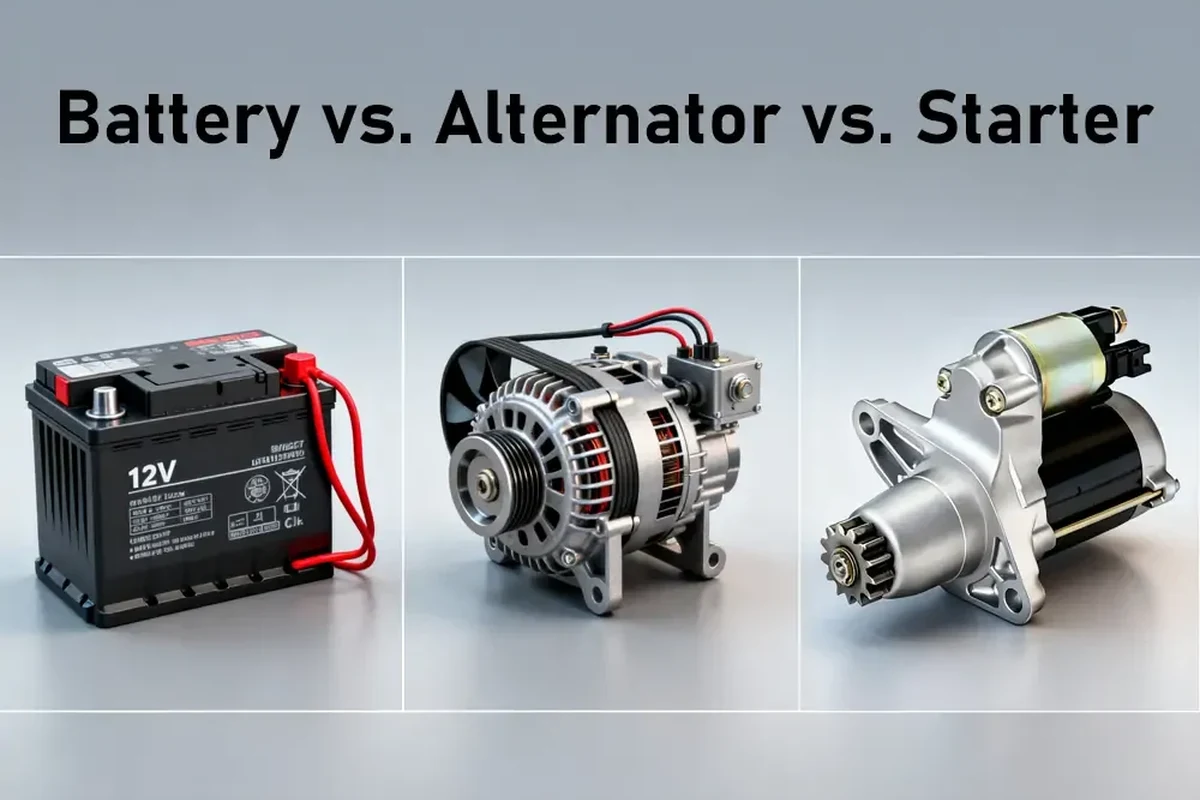
The battery is a lead-acid battery, typically rated at 12 volts, that stores electrical energy. When you turn the ignition key, the battery sends power to the starter motor, which is responsible for cranking the engine.
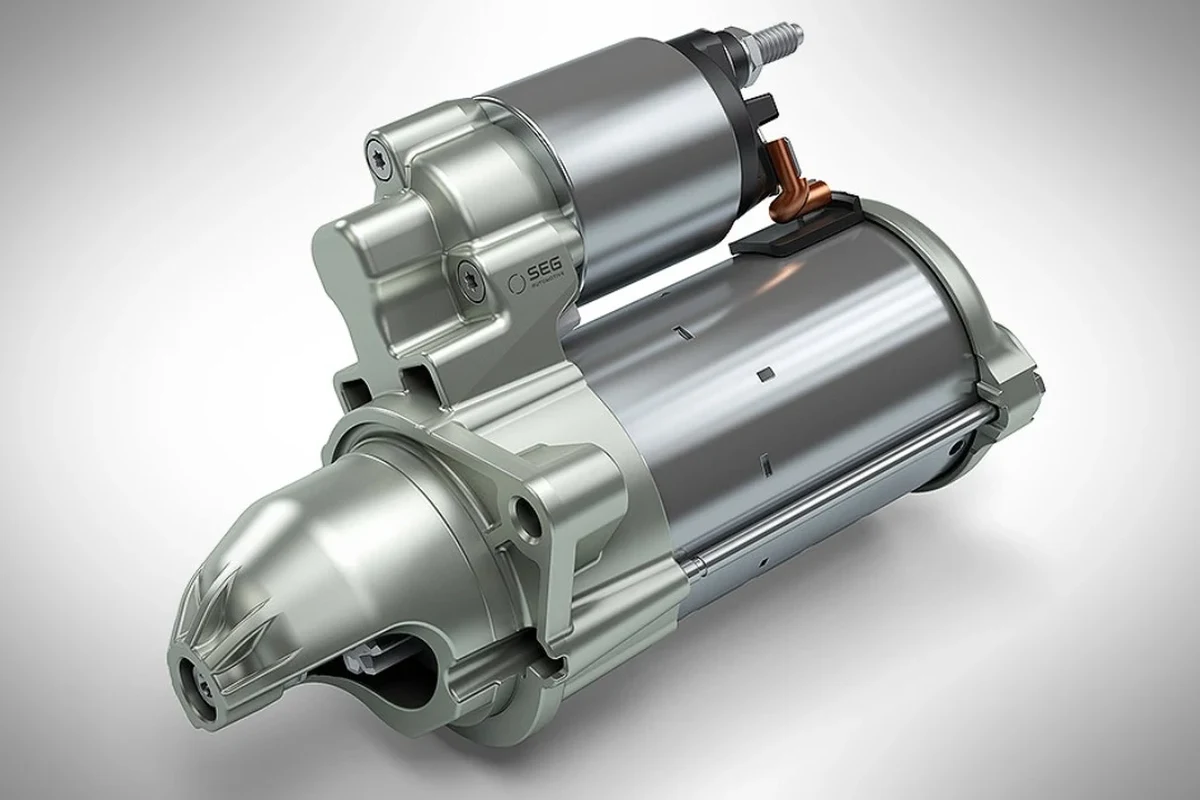
The starter motor uses a small electric motor and a gear mechanism to turn the engine’s flywheel.
In contrast, if the battery fails, the starter motor won’t receive power, and the engine won’t crank. If the starter motor has an issue, the battery may still be functional, but you won’t be able to start the car. You can also use how to charge a car battery as the next practical guide.
- Battery Cost
- $100 – $200
- Starter Cost
- $150 – $400
Prices vary by brand and vehicle specifications.
Cost Comparison: Evaluating Expenses for Starters and Batteries
Cost is a significant factor when considering whether to replace a starter or a battery. Generally, a new battery can range from $100 to $200, depending on the brand and specifications. For official guidance on this, see Battery Council International.
In contrast, a starter motor typically costs between $150 and $400, plus labor if installed by a mechanic. For another head-to-head, read 12 volt accessory power outlet socket.
For car starter vs battery, the right call depends on your vehicle, your skill level, and the one spec that decides the job; confirm that spec before you spend money or start the work.
Signs of Malfunction: Diagnosing Starters and Batteries
Understanding the signs of malfunction can save you time and money. Common symptoms of a failing battery include dim headlights, slow engine cranking, and electrical issues.
On the other hand, a faulty starter may produce a clicking sound when you turn the key or fail to engage the engine altogether.
Typical Lifespan and Replacement Considerations
A typical car battery lasts around 3 to 5 years, depending on usage and maintenance. Starters generally have a lifespan of about 5 to 7 years, but this can vary based on driving habits and environmental conditions. You can also use terms and conditions as the next practical guide.
Regular maintenance can help extend the life of both components.
Best Scenarios for Using a Car Starter vs a Battery
Choosing between a starter and a battery depends on the symptoms your vehicle exhibits. If your car won’t start but the lights and radio work, the battery is likely to blame.
Conversely, if you hear a clicking sound when turning the key, the starter may be the problem. For official guidance on this, see ASE automotive service excellence.
DIY vs Professional Replacement: What You Need to Know
Replacing a battery is generally a straightforward DIY task requiring minimal tools. However, replacing a starter motor can be more complex and may require specific tools such as a torque wrench and a socket set, as well as electrical knowledge. For another head-to-head, read editorial policy.
If you’re unsure, it’s best to consult a professional mechanic.
You have basic mechanical skills and the necessary tools.
You lack experience or the job requires specialized tools.
Warranty and Support: What to Expect
Warranties for batteries typically range from 2 to 5 years, depending on the manufacturer. Starter motors may come with similar or longer warranties, often up to 3 to 5 years. Always check the warranty details before purchasing. You can also use disclaimer as the next practical guide.
If your vehicle won’t start and the electrical systems are functioning, check the starter. If everything is dead, likely, you need a new battery.
Final Verdict: Who Should Choose Which?
Ultimately, if you’re experiencing starting issues, the diagnosis is key. A dead battery is common and easy to replace.
If the starter is malfunctioning, it may require more technical skills to replace. Understanding the differences between a car starter and a battery can help you make an informed decision. For related context, read sitemap.
Deciding Between a Car Starter and Battery
To effectively diagnose your vehicle’s starting issues, distinguish between the roles of the battery and starter motor. If electrical systems like lights function but the engine doesn’t crank, the starter motor is likely at fault.
Conversely, if everything is dead, a new battery may be needed. Understanding these differences ensures you make the right choice for repair. You can also use affiliate disclosure as the next practical guide.
- Check for dim headlights, indicating a weak battery.
- Listen for clicking sounds when turning the ignition, a sign of starter issues.
- Observe if the engine cranks slowly, suggesting a failing battery.
This guide on car starter vs battery is general information. Specs, ratings, fitment, prices, and procedures can change, so confirm important points with your vehicle owner manual, the manufacturer, or the retailer before acting.
Common Questions
The battery stores electrical energy and powers the vehicle’s electrical systems, while the starter motor cranks the engine to initiate combustion. Without the battery, the starter cannot function, and without a functional starter, the engine won’t crank even if the battery is good.
If the car won’t start but the lights and radio are working, the issue is likely with the battery. Conversely, if you hear a clicking sound when turning the key, the starter may be the problem.
A typical car battery lasts around 3 to 5 years, while a starter motor generally lasts about 5 to 7 years. However, these lifespans can vary based on driving habits and environmental conditions.
A new car battery typically costs between $100 and $200, depending on the brand and specifications. In contrast, a starter motor usually costs between $150 and $400, not including labor if you choose to have it installed by a mechanic.
Common symptoms of a failing battery include dim headlights, slow engine cranking, and electrical issues. In contrast, a faulty starter may produce a clicking sound when you turn the ignition key or fail to engage the engine altogether.
Replacing a battery is generally a straightforward DIY task that requires minimal tools. However, replacing a starter motor can be more complex and may require specific tools and electrical knowledge, making it advisable to consult a professional mechanic if you’re unsure.
Closing Thoughts
When considering “car starter vs battery,” it’s crucial to understand that these components serve distinct roles in your vehicle’s operation. The battery powers electrical systems, while the starter motor initiates engine combustion.