Seat Covers vs New Seats Which Option Is Best for Your Car
Seat covers and new seats serve similar purposes but differ significantly in application and impact. Seat covers are designed to protect existing seats and enhance aesthetics, while new seats offer a complete replacement with potential improvements in comfort and safety.
When deciding between seat covers vs new seats, it’s essential to weigh the benefits and drawbacks of each option. This article explores the differences, helping you make an informed choice for your vehicle’s comfort and style. You can also use parts in a car interior as the next practical guide.
- Understanding the Basics: Seat Covers: Seat covers and new seats serve similar purposes but differ significantly in application and.
- Key Differences Between Seat Covers: Understanding the differences between seat covers and new seats can help you choose the.
- Pricing and Value Comparison: The cost of seat covers and new seats can vary significantly..
- Best-Fit Scenarios for Each Option: Understanding when to choose seat covers and when to invest in new seats can.
- Final Verdict: Which Option is: Choosing between seat covers and new seats ultimately depends on your specific needs, budget.
Understanding the Basics: Seat Covers vs New Seats
Seat covers and new seats serve similar purposes but differ significantly in application and impact. Seat covers are designed to protect existing seats and enhance aesthetics, while new seats offer a complete replacement with potential improvements in comfort and safety.
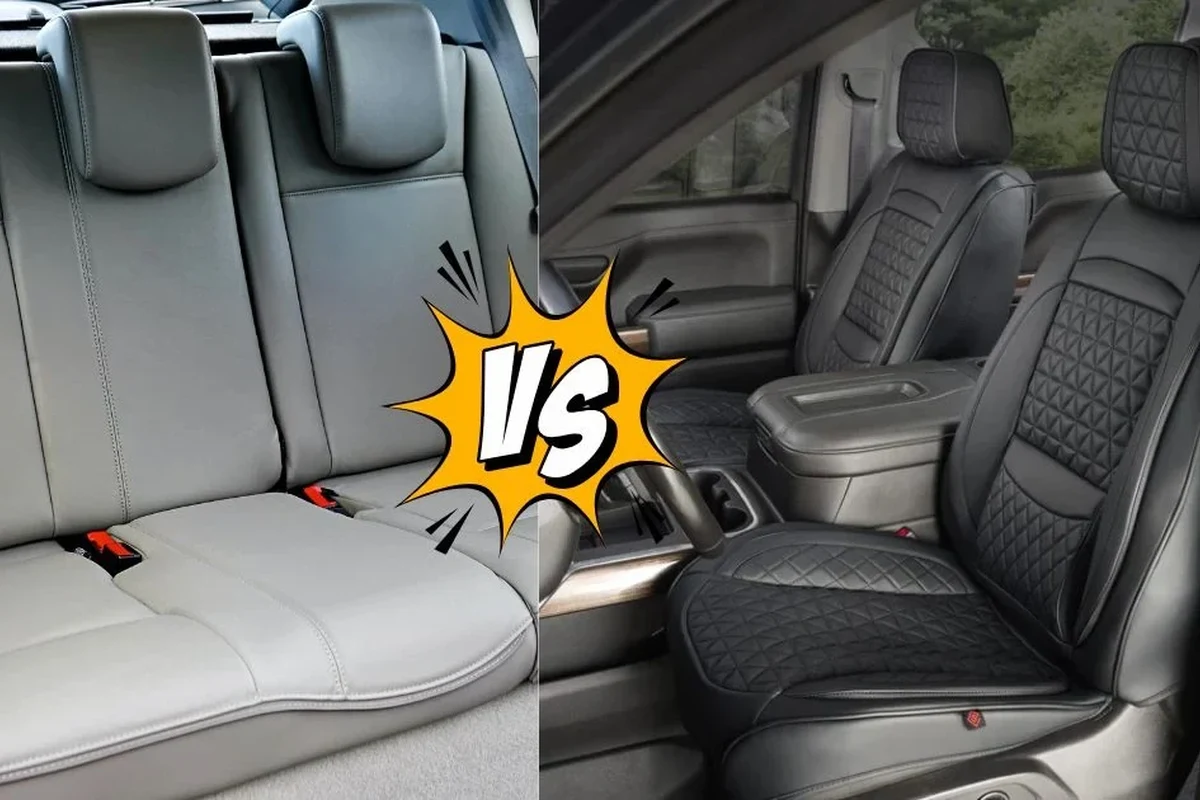
Key Considerations for Seat Covers vs New Seats
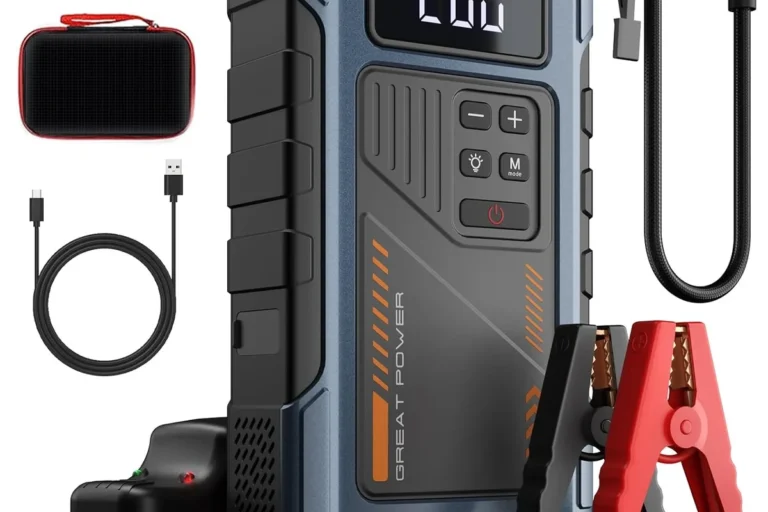
When evaluating the best option for your vehicle, consider these critical factors that differentiate seat covers from new seats. For another head-to-head, read best portable jump starter with air compressor.
- Installation: Seat covers are easy to install, while new seats often require professional installation.
- Material Quality: Seat covers are made from fabric, leather, or synthetic blends, whereas new seats typically use higher-grade materials for durability.
- Safety Features: Seat covers may interfere with airbag deployment, while new seats are designed to integrate smooth with vehicle safety systems.
- Comfort Improvement: Seat covers offer limited comfort enhancement, but new seats can significantly increase overall comfort.
- Cost Comparison: Seat covers range from $50 to $300, while new seats can cost from $200 to over $1,000, depending on the model.
| Feature | Seat Covers | New Seats |
|---|---|---|
| Purpose | Protect existing seats and enhance aesthetics | Complete replacement with potential improvements |
| Cost | Generally lower | Generally higher |
| Installation | Easy to install | Often requires professional installation |
| Comfort | Limited comfort improvement | Can significantly enhance comfort |
| Safety | No safety upgrades | May offer improved safety features |
- Fit
- Vehicle-specific or universal, and the years covered.
- Material
- What it is made from and how to clean it.
- Mounting
- Clips, hooks, magnets, or free-standing.
Exact figures vary by model and vehicle, so confirm them in the owner manual or on the current product page.
Key Differences Between Seat Covers and New Seats
Understanding the differences between seat covers and new seats can help you choose the right option for your needs. Here are the main factors to consider.
Material Composition and Durability
Seat covers are typically made from materials like fabric, leather, or synthetic blends. They are designed to be durable and easy to clean.
However, their effectiveness depends on the quality of the material. New seats, especially OEM (Original Equipment Manufacturer) options, are often constructed with higher-grade materials and are built to last longer under regular use.
Ease of Installation and Fitment
Installing seat covers is generally straightforward, requiring minimal tools and expertise. They come in universal or custom fit styles, allowing for easy application. For official guidance on this, see NHTSA vehicle safety guidance.
In contrast, new seats may require professional installation, especially if they have integrated safety features like airbags. Ensuring the proper fit is crucial for both options to function correctly.
Impact on Safety Features
When considering seat covers vs new seats, safety is a critical factor. Seat covers can sometimes interfere with airbag deployment if not designed correctly.
New seats, particularly those from the manufacturer, are engineered to work smooth with your vehicle’s safety systems, which can enhance overall safety. This also connects with car starter vs battery before you pay, sign, or book.
Compare the deciding spec, build quality, and warranty.
Run the same checks, then compare price and support.
Pricing and Value Comparison
The cost of seat covers and new seats can vary significantly. Understanding these differences can help you budget appropriately for your car’s interior upgrades.
Cost Analysis: Seat Covers vs New Seats
Seat covers usually range from $50 to $300, depending on the material and custom fit. In contrast, new seats can cost anywhere from $200 to over $1,000, particularly for high-end or specialized models.
Consider what fits your budget and offers the best value for your needs.
Warranty and Longevity Considerations
Many seat covers come with warranties ranging from one year to a lifetime, depending on the brand. New seats, particularly OEM options, typically have longer warranties, sometimes up to five years or more, indicating greater durability. For related context, read car battery charger vs jumper.
Always check the warranty details before making a purchase.
Best-Fit Scenarios for Each Option
Understanding when to choose seat covers and when to invest in new seats can lead to better satisfaction with your vehicle’s interior. For official guidance on this, see NHTSA recall lookup.
When to Choose Seat Covers
Opt for seat covers if you want to protect your current seats from wear and tear, enhance your car’s aesthetics, or if you’re on a tight budget.
They are also ideal for seasonal use, like adding warmth in winter or coolness in summer with breathable materials.
When to Invest in New Seats
Consider new seats if your current seats are damaged, uncomfortable, or if safety features are compromised. Investing in high-quality new seats can significantly improve your driving experience and ensure compliance with safety regulations, especially in vehicles with advanced airbag systems. You can also use car battery charger advance auto parts as the next practical guide.
Compare the one spec that decides the job first, then price. Check warranty and support on both options, not only the feature list. Check whether either option needs extra adapters or accessories.
Final Verdict: Which Option is Best for You?
Choosing between seat covers and new seats ultimately depends on your specific needs, budget, and the condition of your current seats. If you prioritize protection and aesthetics, seat covers are a solid choice.
If comfort, safety, and a significant upgrade are your goals, investing in new seats is the way to go. For related context, read parts of a car windshield.
For those looking to enhance the look of their vehicle without breaking the bank, seat covers are a practical solution. However, if safety and comfort are critical, consider investing in new seats for a more substantial upgrade.
Choosing Between Seat Covers and New Seats for Your Car
When deciding between seat covers and new seats, assess your priorities. Seat covers are ideal for protecting existing seats and enhancing aesthetics on a budget, while new seats provide substantial comfort and safety improvements, making them a worthy investment for long-term use. You can also use external parts of a car as the next practical guide.
- Evaluate the condition of your current seats to determine if protection or replacement is needed.
- Consider your budget and how much you are willing to spend on upgrades.
- Assess safety features and comfort needs to make an informed choice.
This guide on seat covers vs new seats is general information. Specs, ratings, fitment, prices, and procedures can change, so confirm important points with your vehicle owner manual, the manufacturer, or the retailer before acting.
Questions Drivers Ask
Seat covers are usually made from fabric, leather, or synthetic blends designed for durability and easy cleaning. In contrast, new seats, particularly OEM options, are constructed with higher-grade materials that are built to last longer under regular use.
Installing seat covers is generally straightforward and requires minimal tools and expertise, as they come in universal or custom fit styles. New seats, however, may necessitate professional installation, especially when integrating safety features like airbags.
Seat covers can interfere with airbag deployment if they are not designed correctly, posing a potential safety risk. New seats, especially those from the manufacturer, are engineered to work smooth with your vehicle’s safety systems, enhancing overall safety.
Seat covers usually range from $50 to $300, depending on the material and custom fit. In contrast, new seats can cost anywhere from $200 to over $1,000, particularly for high-end or specialized models.
Many seat covers come with warranties ranging from one year to a lifetime, depending on the brand. New seats, especially OEM options, typically have longer warranties, sometimes extending up to five years or more, indicating greater durability.
Opt for seat covers if you want to protect your current seats, enhance aesthetics, or if you’re on a tight budget. They are also ideal for seasonal use, such as adding warmth in winter or coolness in summer with breathable materials.
Final Thoughts
When deciding between seat covers vs new seats, it’s essential to weigh the benefits and drawbacks of each option. Seat covers and new seats serve similar purposes but differ significantly in application and impact. For related context, read names of car parts interior.