Jump Starter vs Booster Which One Is Best for Your Car
Jump starters and boosters serve a similar purpose: getting your car’s engine running when the battery is dead. However, they operate differently and are suited for various scenarios.
Choosing between a jump starter vs booster can significantly impact your vehicle’s battery performance. Understanding the differences helps you make an informed decision based on your specific needs and situations.
- Operational Differences: Jump starters work independently; boosters require another vehicle.
- Amp Ratings Matter: Choose based on your vehicle’s needs and engine size.
- Safety Features: Look for protection against reverse polarity and short-circuits.
- Best Usage Scenarios: Jump starters are great for solo drivers; boosters suit group drivers.
Understanding Jump Starters and Boosters
Jump starters and boosters serve a similar purpose: getting your car’s engine running when the battery is dead. However, they operate differently and are suited for various scenarios.
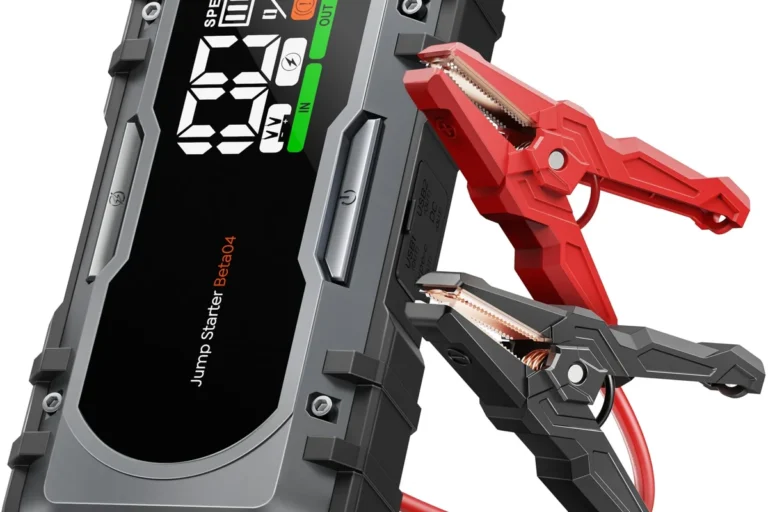
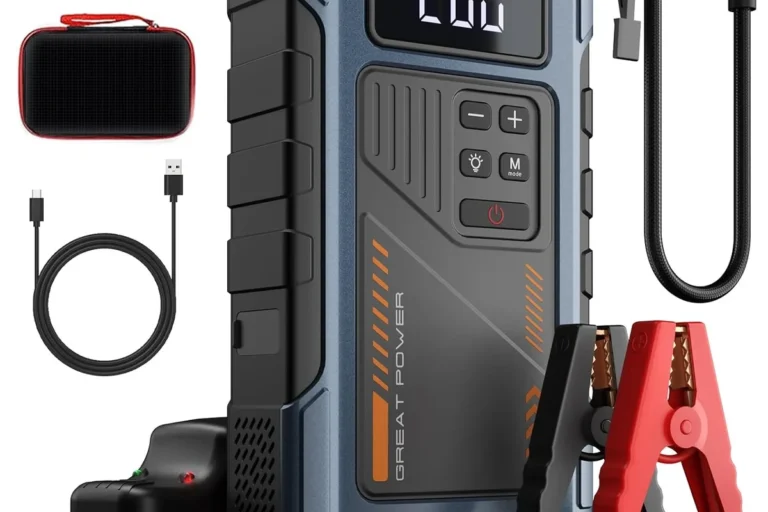
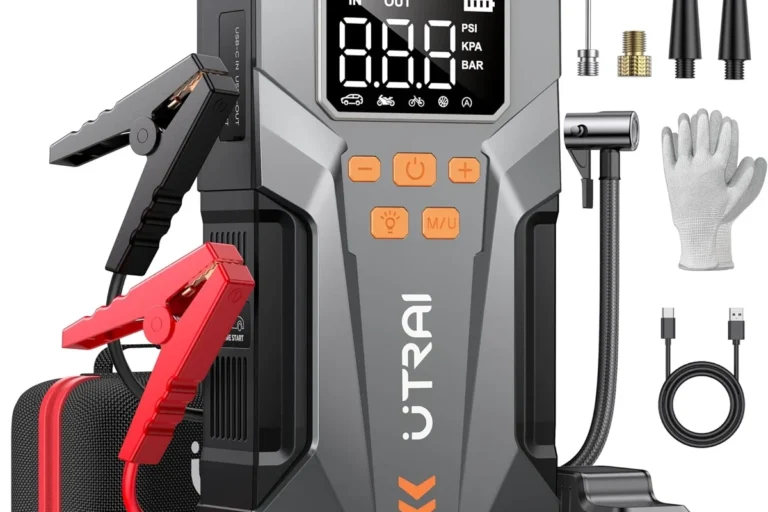
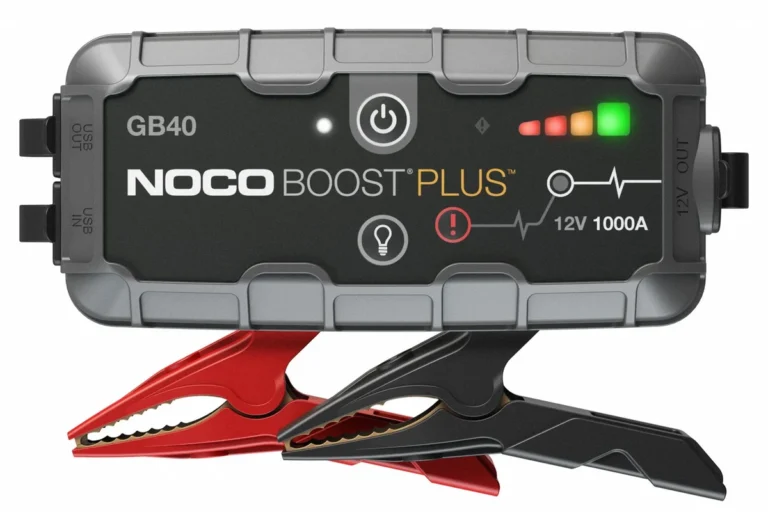
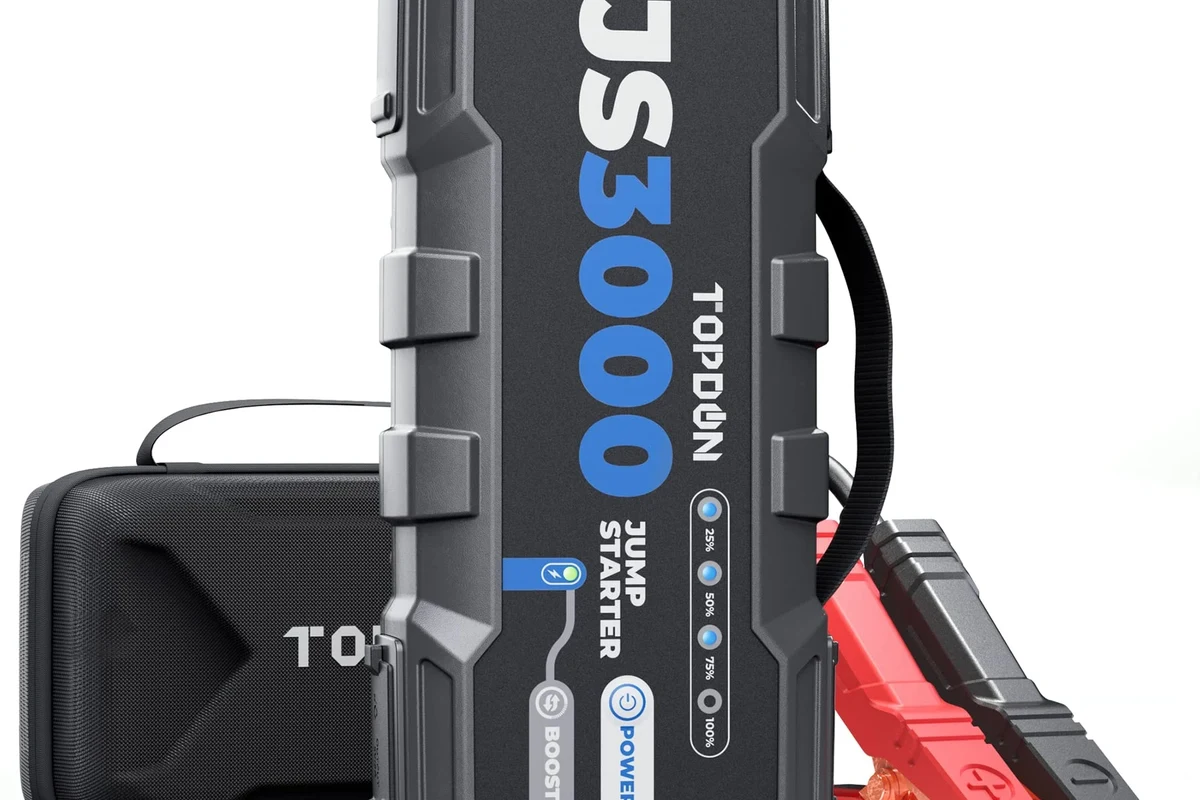
Jump starters are portable power packs that provide the necessary boost directly to the battery, while boosters are typically used in conjunction with another vehicle’s battery to jump-start a car.
Key Considerations for Choosing Between a Jump Starter and a Booster
Understanding the distinct features and scenarios in which jump starters and boosters excel can help you make an informed choice that best suits your needs. For related context, read how to charge a car battery.
- Power Source: Jump starters use a portable battery pack, while boosters require another vehicle’s battery.
- Portability: Jump starters are highly portable and easy to store, making them ideal for solo drivers.
- Ease of Use: Jump starters offer a straightforward operation without needing assistance, unlike boosters that require another vehicle.
- Best Use Cases: Jump starters are suitable for emergency situations where no assistance is available, whereas boosters are effective when driving in groups.
- Safety Features: Look for jump starters with reverse polarity protection and ensure boosters come with clear instructions for safe connections.
| Feature | Jump Starter | Booster |
|---|---|---|
| Power Source | Portable battery pack | Another vehicle’s battery |
| Portability | Highly portable | Less portable |
| Ease of Use | Simple and straightforward | Requires another vehicle |
| Best Use Case | For solo use, no assistance needed | When another vehicle is available |
Jump Starter vs Booster: Key Differences
When comparing jump starters and boosters, it’s crucial to understand their operational mechanisms and specifications. This section breaks down how each works and what specs matter most.
Operational Mechanisms of Jump Starters and Boosters
Jump starters use internal batteries to provide power directly to a car’s battery, allowing you to start your vehicle without needing another car.
In contrast, boosters connect to another vehicle’s battery to transfer power, requiring both vehicles to be present during the jump-start process. For official guidance on this, see Battery Council International.
Specifications That Matter: Amp Ratings and More
Key specifications include amp ratings, which determine how much power the device can provide. Jump starters typically have peak amp ratings that range from 400A to 2000A, while boosters may offer similar ratings but depend on the other vehicle’s battery capacity. You can also use car battery charger and engine starter as the next practical guide.
Understanding your vehicle’s requirements is essential for selecting the right tool.
For jump starter vs booster, the right call depends on your vehicle, your skill level, and the one spec that decides the job; confirm that spec before you spend money or start the work.
The Right Fit for Your Vehicle
Choosing the right device often depends on your vehicle type, engine size, and common usage scenarios. Here are some best-fit scenarios for each option.
Best Scenarios for Using Jump Starters
Jump starters are ideal for emergency situations, especially for single drivers or those who often park alone. They are compact and easy to store in the trunk, making them convenient for sedans, SUVs, and smaller vehicles where space is limited.
When to Use a Booster Instead
Boosters are best when working with larger vehicles or when power is needed in a pinch. If you frequently drive in groups or have access to another vehicle, a booster can be a cost-effective solution. For related context, read 12 volt accessory power outlet socket.
Just ensure you’re comfortable connecting the cables safely.
Lithium jump packs self-discharge and cold hurts them, so a pack that worked in summer can be flat by winter unless you top it up every few months.
Safety Considerations for Jump Starters and Boosters
Safety is critical when dealing with vehicle batteries. Always ensure connections are correct to avoid battery damage or sparks. For official guidance on this, see NHTSA vehicle safety guidance.
For jump starters, check for features like reverse polarity protection, while boosters should come with clear instructions on safely connecting to another vehicle’s battery. This also connects with terms and conditions before you pay, sign, or book.
Storage and Maintenance of Jump Starters and Boosters
Proper storage and maintenance extend the life of your jump starter or booster. Keep jump starters in a dry, cool place and charge them regularly to maintain battery health. For boosters, ensure the cables are untangled and stored safely to prevent damage. For related context, read editorial policy.
Compare the one spec that decides the job first, then price. Check warranty and support on both options, not only the feature list. Check whether either option needs extra adapters or accessories.
Pricing and Warranty Insights
Pricing varies widely based on brand, specifications, and features. Jump starters generally range from $50 to $300, while boosters can be less expensive, depending on their complexity. Always check warranty terms, as they can indicate the manufacturer’s confidence in their product. You can also use disclaimer as the next practical guide.
For emergency situations and solo driving, choose a jump starter. For regular group driving, a booster is more suitable.
Final Verdict: Which One Should You Choose?
If you need a reliable, portable solution that works independently, a jump starter is your best bet. On the other hand, if you often drive with others and have access to another vehicle, a booster can be a practical choice. For related context, read sitemap.
Assess your driving habits, vehicle type, and budget to make the most informed decision.
Jump Starter vs Booster: Making the Right Choice for Your Vehicle
When deciding between a jump starter and a booster, consider your driving habits and emergency needs. Jump starters are ideal for solo drivers needing a portable solution, while boosters are better for group situations where another vehicle is accessible.
Assessing portability, ease of use, and safety features can guide you to the right tool for your circumstances. This choice also connects with affiliate disclosure.
- Evaluate your typical driving scenarios—solo or with others.
- Check the portability and storage options that fit your vehicle.
- Consider safety features like reverse polarity protection for jump starters.
This guide on jump starter vs booster is general information. Specs, ratings, fitment, prices, and procedures can change, so confirm important points with your vehicle owner manual, the manufacturer, or the retailer before acting.
Quick Questions, Answered
Check the amp ratings and compatibility with your vehicle’s battery type.
Jump starters use internal batteries to provide power directly, while boosters draw power from another vehicle’s battery.
Boosters tend to be more effective for larger engines, as they can draw from a larger battery capacity.
Look for reverse polarity protection, short-circuit protection, and clear instructions for use.
Charging times for jump starters can vary but typically require hours, while boosters rely on the other vehicle’s battery.
Price can depend on brand, specifications, features, and warranty options.
Closing Thoughts
Choosing between a jump starter vs booster can significantly impact your vehicle’s battery performance. Jump starters and boosters serve a similar purpose: getting your car’s engine running when the battery is dead.