Capa Bumper Cover vs Oem Which Is Better for Your Car Repair
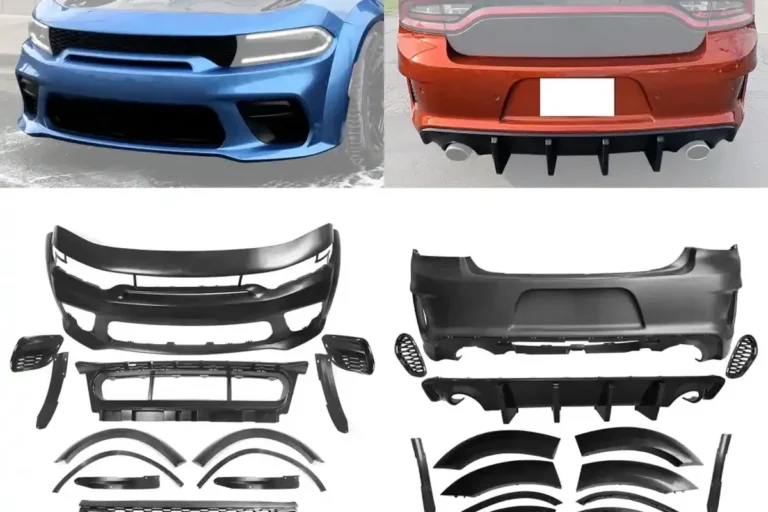
Capa bumper covers refer to aftermarket parts that meet specific safety and quality standards set by the Certified Automotive Parts Association (CAPA). These covers are designed to be cost-effective alternatives to OEM parts, which are made by the vehicle’s original manufacturer.
When deciding between a capa bumper cover vs OEM, it’s essential to understand the key differences in quality, cost, and fit. This article will help you determine which option suits your vehicle repair needs best. For related context, read parts in a car interior.
- Understanding Capa Bumper Covers and: Capa bumper covers refer to aftermarket parts that meet specific safety and quality standards.
- Capa Bumper Cover vs OEM: Understanding the differences between capa and OEM bumper covers is crucial for making an.
- Installation: Ease of Use for: Installation can differ significantly between capa and OEM parts..
- Best Fit Scenarios: When to: Deciding when to choose a capa bumper cover over an OEM option often comes.
- Safety Standards: Ensuring Your Vehicle’s: Both capa and OEM bumper covers must adhere to specific safety standards, but the.
Understanding Capa Bumper Covers and OEM Options
Capa bumper covers refer to aftermarket parts that meet specific safety and quality standards set by the Certified Automotive Parts Association (CAPA). These covers are designed to be cost-effective alternatives to OEM parts, which are made by the vehicle’s original manufacturer. You can also use parts of a car exterior as the next practical guide.
OEM bumper covers typically guarantee a perfect fit and finish, as they are designed specifically for each vehicle model. For related context, read car starter vs battery.

| Feature | Capa Bumper Cover | OEM Bumper Cover |
|---|---|---|
| Manufacturing Standards | Meets CAPA safety and quality standards | Made by original manufacturer |
| Cost | Typically more cost-effective | Generally higher price |
| Fit and Finish | May vary, designed to fit specific models | Guaranteed perfect fit and finish |
| Warranty | Varies by manufacturer | Often includes limited warranty |
- Price Range
- Capa: $100-$300; OEM: $300-$800.
- Quality
- OEM offers higher durability; Capa meets safety standards.
- Fit
- OEM ensures perfect fit; Capa may require adjustments.
Prices and quality can vary by vehicle make and model, so confirm details before purchasing.
Capa Bumper Cover vs OEM: Key Differences Explained
Understanding the differences between capa and OEM bumper covers is crucial for making an informed decision. The main considerations include build quality, pricing, warranty, and installation ease.
Quality and Build: Which One Stands Out?
OEM bumper covers generally provide superior quality since they are manufactured to the exact specifications of the original part. They often use higher-grade materials and undergo more stringent quality control processes.
Capa covers, while still meeting safety standards, may not match the exact quality of OEM parts, which can affect durability and aesthetics over time.
Cost Considerations: Capa vs OEM Pricing
One of the most significant differences is price. Capa bumper covers are usually more budget-friendly, making them attractive for DIY repairs or budget-conscious drivers.
On the other hand, OEM covers tend to be more expensive due to their guaranteed fit and finish. However, the long-term value of OEM parts may justify the higher cost for some vehicle owners. This choice also connects with car battery charger vs jumper.
- Confirm warranty details for both capa and OEM options.
- Check compatibility with your specific vehicle model.
- Compare installation instructions and support available.
Installation: Ease of Use for DIYers and Professionals
Installation can differ significantly between capa and OEM parts. OEM covers typically come with detailed installation instructions and are designed for a straightforward fit, which can save time and effort. For official guidance on this, see Battery Council International.
Capa bumper covers might require more adjustments or adaptations during the installation process, especially if the fit isn’t as precise.
Warranty and Support: What You Need to Know
Warranties also play a critical role in the decision-making process. OEM parts usually come with a longer warranty period, often matching the vehicle’s warranty.
Capa bumper covers can vary in warranty length, so it’s essential to check the specific terms before purchasing. Strong warranty support can provide confidence about the part’s longevity and performance. For related context, read car battery charger advance auto parts.
Parts and tools wear with use and weather, so judge them on how they hold up after months, not on a single job.
Best Fit Scenarios: When to Choose Each Type
Deciding when to choose a capa bumper cover over an OEM option often comes down to your specific situation and budget. If you have an older vehicle or are repairing a minor damage area, a capa cover may suffice.
However, for newer models or significant repairs, the precision and quality of an OEM cover may be worth the investment.

Customer Experiences: Reviews and Ratings
Customer feedback can provide valuable insights when choosing between capa and OEM bumper covers. Many users report satisfaction with capa covers, particularly for their cost-effectiveness, while others highlight the fit and durability of OEM parts as key advantages. For official guidance on this, see NHTSA vehicle safety guidance.
It’s advisable to check reviews specific to your vehicle model to gauge real-world performance. You can also use parts of a car windshield as the next practical guide.
Capa bumper covers may show wear in terms of color and fit, while OEM options typically maintain their integrity longer. Regular checks can help identify any issues early, ensuring safe vehicle operation.
Safety Standards: Ensuring Your Vehicle’s Integrity
Both capa and OEM bumper covers must adhere to specific safety standards, but the level of compliance can differ. OEM parts are often subjected to more rigorous testing and approvals, ensuring they meet the manufacturer’s safety requirements.
Capa covers also meet safety standards, but it’s essential to confirm that the specific part has been tested accordingly. For related risk checks, compare this with external parts of a car.
Capa Bumper Cover vs OEM: Making the Right Choice for Your Vehicle
When weighing the options between capa bumper covers and OEM parts, consider your vehicle’s age and repair needs.
Capa covers are cost-effective for minor repairs on older cars, while OEM parts offer superior fit and quality for newer models or significant damage, ensuring long-term reliability and safety. This choice also connects with names of car parts interior.
- Assess your vehicle’s age and the extent of damage before choosing a bumper cover.
- Compare warranty details for both capa and OEM options to understand long-term support.
- Read customer reviews specific to your vehicle model for insights on durability and fit.
This guide on capa bumper cover vs oem is general information. Specs, ratings, fitment, prices, and procedures can change, so confirm important points with your vehicle owner manual, the manufacturer, or the retailer before acting.
Questions Drivers Ask
OEM bumper covers typically offer superior quality and durability as they are manufactured to exact specifications with higher-grade materials. Capa covers meet safety standards but may not match the exact quality of OEM parts, potentially affecting their longevity and aesthetics.
Capa bumper covers are generally more affordable, ranging from $100 to $300, making them a budget-friendly option for repairs. In contrast, OEM bumper covers can cost between $300 and $800, reflecting their guaranteed fit and finish.
Installation of capa bumper covers may require more adjustments or adaptations compared to OEM options, which are designed for a straightforward fit. This can result in additional time and effort for DIYers or professionals during the installation process.
OEM parts typically come with a longer warranty period, often matching the vehicle’s warranty, providing assurance about their longevity. In contrast, capa bumper covers have varying warranty lengths, so it’s important to check the specific terms before purchasing.
Capa bumper covers may be suitable for older vehicles or minor damage repairs where cost-effectiveness is a priority. For newer models or significant repairs, the precision and quality of an OEM cover are likely to justify the higher investment.
Many users report satisfaction with capa covers for their cost-effectiveness, while others emphasize the superior fit and durability of OEM parts. Checking reviews specific to your vehicle model can provide valuable insights into the real-world performance of both options.
Final Words
When comparing capa bumper covers vs OEM options, consider your vehicle’s age, your budget, and the importance of fit and quality. For quick repairs on older cars, capa covers can be a solid choice.
However, for newer vehicles or significant repairs, investing in OEM parts often pays off in terms of quality and reliability.