Bumper vs Bumper Cover Which One Is Best for Your Vehicle
Choosing between a bumper and a bumper cover depends on your vehicle’s needs and your specific situation. If your vehicle has sustained significant damage from a collision, replacing the bumper may be necessary to maintain structural integrity and safety.
When comparing bumper vs bumper cover, it’s essential to know that the bumper is a structural component designed for impact absorption, while the bumper cover serves mainly aesthetic purposes. Understanding their differences can help you choose the right option for your vehicle.
- Understanding Bumpers and Bumper Covers: To make informed decisions about vehicle repairs or replacements, it’s crucial to grasp the.
- Bumper vs. Bumper Cover: Which: Choosing between a bumper and a bumper cover depends on your vehicle’s needs and.
- Safety and Structural Integrity: Why: The safety of your vehicle is critical, and understanding how bumpers and bumper covers.
- Materials and Build Quality: What: When evaluating bumpers and bumper covers, the materials used can significantly impact their performance.
- Cost Comparison: Bumper vs. Bumper: Cost is often a deciding factor when choosing between a bumper and a bumper.
Understanding Bumpers and Bumper Covers
To make informed decisions about vehicle repairs or replacements, it’s crucial to grasp the fundamental differences between bumpers and bumper covers. Each part has distinct functions, materials, and implications for safety and aesthetics.

| Feature | Bumper | Bumper Cover |
|---|---|---|
| Function | Primary safety component | Aesthetic enhancement |
| Materials | Steel, aluminum, plastic | Plastic, fiberglass |
| Safety | Improves crash protection | Minimal safety role |
| Aesthetics | Less focus on appearance | Enhances vehicle look |
The Core Differences Explained
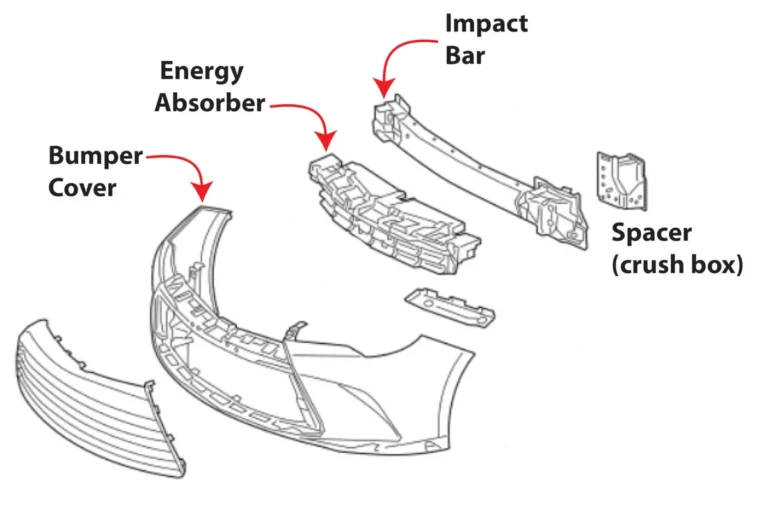
Bumpers are primarily structural components made from materials like steel or reinforced plastic designed to absorb impacts during collisions. They play a vital role in protecting the vehicle’s frame and occupants.
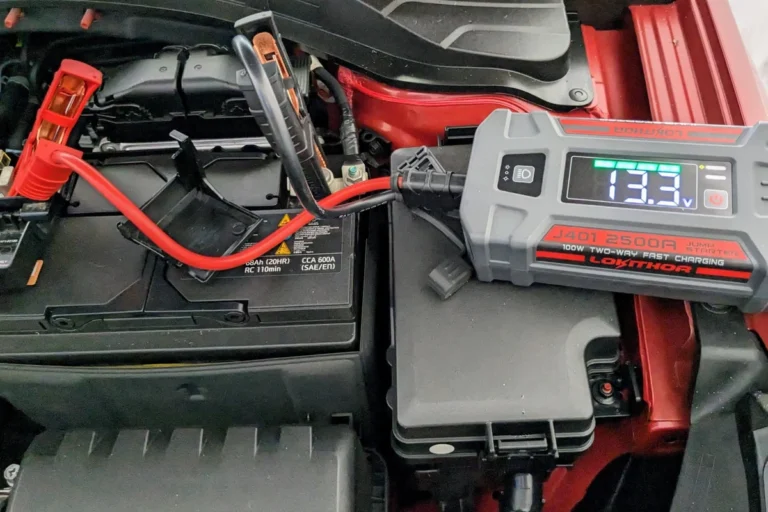
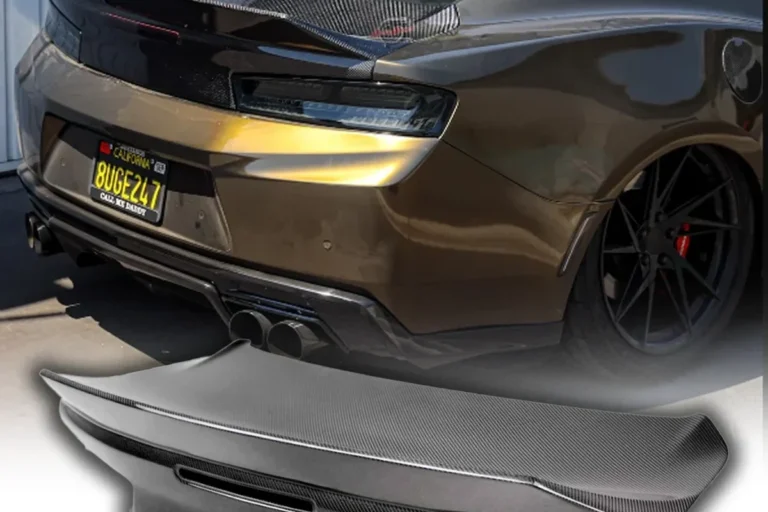
In contrast, bumper covers are often made from lightweight materials like ABS plastic and are intended to enhance the vehicle’s appearance while providing minimal protection to the bumper beneath. For related context, read best portable jump starter with air compressor.
Bumper vs. Bumper Cover: Which One Is Right for Your Vehicle?
Choosing between a bumper and a bumper cover depends on your vehicle’s needs and your specific situation. If your vehicle has sustained significant damage from a collision, replacing the bumper may be necessary to maintain structural integrity and safety.
On the other hand, if you’re looking to improve your car’s appearance or have minor cosmetic damage, a bumper cover can be a cost-effective solution. This choice also connects with car starter vs battery.
- Basic hand tools (socket set, screwdrivers).
- Torque wrench for proper installation.
- Safety goggles for protection during installation.
Safety and Structural Integrity: Why It Matters
The safety of your vehicle is critical, and understanding how bumpers and bumper covers contribute to that safety is crucial. Bumpers must meet specific safety standards set by organizations like the National Highway Traffic Safety Administration (NHTSA).
They are engineered to absorb impact forces, reducing injury risk during collisions. Bumper covers, while they may absorb minor impacts, do not provide the same level of protection and do not have to meet the same safety regulations. For related risk checks, compare this with car battery charger vs jumper.
You’re replacing a bumper cover with basic tools and experience.
You need to replace a damaged bumper that requires precise alignment.
Materials and Build Quality: What to Consider
When evaluating bumpers and bumper covers, the materials used can significantly impact their performance and durability. Bumpers are typically constructed from high-strength materials like steel, aluminum, or reinforced plastic, ensuring they can withstand high-impact forces. For official guidance on this, see Battery Council International.
Bumper covers, conversely, are usually made from more flexible materials like ABS plastic or fiberglass, which can be prone to cracking or fading over time. Understanding these differences can help you choose the right option depending on your vehicle’s requirements. You can also use car battery charger advance auto parts as the next practical guide.
- Rating
- Impact absorption rating for bumpers.
- Material
- Steel or ABS plastic.
- Warranty
- 1-3 years for bumpers, shorter for covers.
Check exact specifications for your vehicle model.
Cost Comparison: Bumper vs. Bumper Cover
Cost is often a deciding factor when choosing between a bumper and a bumper cover. Generally, bumpers tend to be more expensive due to their structural importance and the materials used.
A new bumper can range from $300 to $1,000 or more, depending on the make and model of the vehicle.
In contrast, bumper covers are typically priced between $100 and $600, making them a more budget-friendly option for those looking to enhance their vehicle’s appearance. For another head-to-head, read parts of a car windshield.

Installation Processes: DIY or Professional Help?
Installing a bumper or bumper cover can vary in complexity. Replacing a bumper often requires more tools and skills, including proper alignment and attachment to the vehicle’s frame.
If you aren’t comfortable with mechanical work, it’s best to leave this to a professional shop. Bumper covers, however, are usually easier to install and can often be a DIY project with basic tools. This connects with external parts of a car for related tools and setup context.
Just ensure you follow the manufacturer’s guidelines for installation.
Confirm the fit for your specific vehicle model. Check for included hardware or clips. Compare warranty terms between options.
Warranty and Support: What to Expect
Warranties can vary significantly between bumpers and bumper covers. Bumpers may come with warranties ranging from one to three years, depending on the manufacturer and the vehicle’s make. For official guidance on this, see NHTSA vehicle safety guidance.
Bumper covers, while they may have shorter warranties, often cover defects in material and workmanship. Always check the warranty terms to understand what is covered and for how long, as this can influence your purchasing decision. For related context, read names of car parts interior.
Final Thoughts: Making the Best Decision for Your Vehicle
Deciding between a bumper and a bumper cover ultimately depends on your vehicle’s needs, safety considerations, and budget. If structural integrity and safety are your top priorities, investing in a bumper is the way to go.
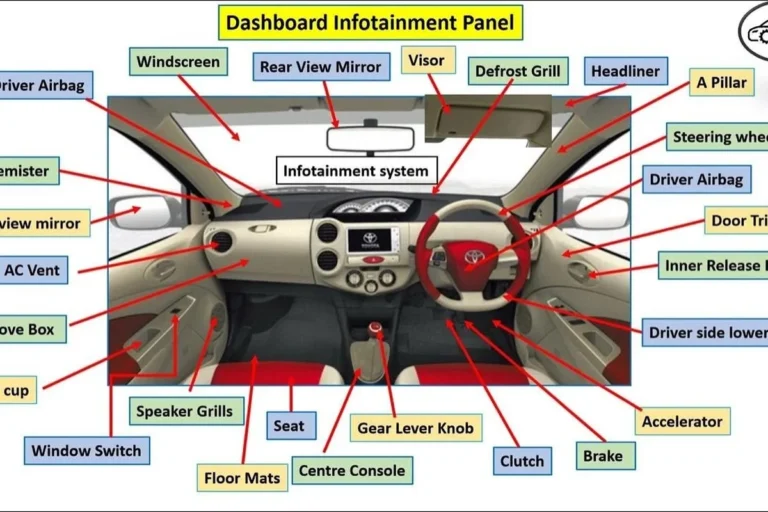
Conversely, if you’re looking for a more cosmetic enhancement, a bumper cover provides a cost-effective solution. Assess your situation carefully to make the best choice. You can also use parts in a car interior as the next practical guide.
For safety and protection, choose a bumper; for aesthetics on a budget, opt for a bumper cover. Assess your vehicle’s needs before deciding.
Bumper vs Bumper Cover: Choosing the Right Option for Your Vehicle
When deciding between a bumper and a bumper cover, prioritize safety and structural integrity if your vehicle has sustained significant damage. A bumper provides essential crash protection, while a bumper cover enhances aesthetics at a lower cost.
Carefully assess your vehicle’s condition and your goals before making a choice.
- Evaluate the extent of damage to determine if a bumper replacement is necessary.
- Consider your budget and whether a cosmetic upgrade with a bumper cover suffices.
- Check the installation complexity and whether you can DIY or need professional help.
This guide on bumper vs bumper cover is general information. Specs, ratings, fitment, prices, and procedures can change, so confirm important points with your vehicle owner manual, the manufacturer, or the retailer before acting.
Wrapping Up the Job
When comparing bumper vs bumper cover, it’s essential to know that the bumper is a structural component designed for impact absorption, while the bumper cover serves mainly aesthetic purposes.
To make informed decisions about vehicle repairs or replacements, it’s crucial to grasp the fundamental differences between bumpers and bumper covers.