Bumper Cover vs Bumper Assembly Key Differences
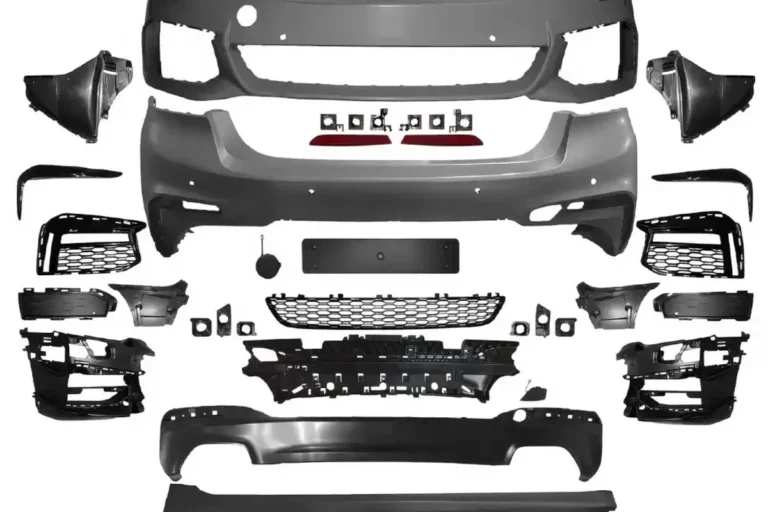
Bumper covers are primarily designed for aesthetic purposes, providing a sleek appearance to the vehicle’s front and rear. In contrast, bumper assemblies comprise both the bumper cover and the underlying structure that absorbs impact during collisions.
Bumper covers and bumper assemblies are two critical components of a vehicle’s exterior. Understanding the differences between a bumper cover vs bumper assembly helps you make informed decisions about repairs and replacements.
- Bumper Cover vs Bumper Assembly: Bumper covers are primarily designed for aesthetic purposes, providing a sleek appearance to the.
- Key Differences Between Bumper Covers: When choosing between a bumper cover and a bumper assembly, several key differences come.
- Installation: DIY or Professional Help?: Deciding whether to install a bumper cover or assembly yourself depends on your experience.
- Safety and Performance: What Matters: The safety of your vehicle can be affected by the choice between a bumper.
- Warranties and Consumer Ratings: A: When considering either option, check the warranties provided by manufacturers..
Bumper Cover vs Bumper Assembly: Understanding the Basics
Bumper covers are primarily designed for aesthetic purposes, providing a sleek appearance to the vehicle’s front and rear. In contrast, bumper assemblies comprise both the bumper cover and the underlying structure that absorbs impact during collisions. For another head-to-head, read car starter vs battery.
This distinction is crucial when considering repairs or replacements.

| Feature | Bumper Cover | Bumper Assembly |
|---|---|---|
| Purpose | Aesthetic enhancement | Impact absorption and structural support |
| Components | Outer plastic shell | Bumper cover and underlying structure |
| Repair Complexity | Generally easier and less costly | More complex due to structural components |
| Replacement Necessity | Can often be replaced alone | May require complete assembly replacement |
- Typical Cost Range
- Bumper Cover: $100 – $500; Bumper Assembly: $300 – $1,200.
- Material
- Bumper Cover: Plastic or fiberglass; Bumper Assembly: Metal or reinforced plastic.
- Installation Difficulty
- Cover: Generally easier; Assembly: More complex due to structure.
Confirm current prices and availability at your local parts supplier.
Key Differences Between Bumper Covers and Bumper Assemblies
When choosing between a bumper cover and a bumper assembly, several key differences come into play. These factors can affect both performance and cost.
Material Composition and Build Quality
Bumper covers are usually made from materials like plastic or fiberglass, which provide a lightweight solution for aesthetics. Bumper assemblies, however, include additional structural components made from metal or reinforced plastic, designed to withstand impacts and improve safety during collisions.
This difference in material composition can significantly influence durability and repair costs.
Cost Considerations: What to Expect
The cost of bumper covers generally ranges from $100 to $500, depending on the make and model of the vehicle.
Bumper assemblies can be significantly more expensive, often ranging from $300 to over $1,200, as they include additional components and the necessary hardware for installation. Understanding these costs can help you budget for repairs or replacements effectively. You can also use car battery charger vs jumper as the next practical guide.
Installation: DIY or Professional Help?
Deciding whether to install a bumper cover or assembly yourself depends on your experience level and the tools you have available. For official guidance on this, see Battery Council International.
Some DIY enthusiasts may find replacing a bumper cover manageable, while a bumper assembly often requires professional help due to its complexity.
Tools You’ll Need for Installation
For installing a bumper cover, you typically need basic hand tools like a socket set (commonly 1/4-inch or 3/8-inch drive), screwdrivers, and possibly a heat gun if the plastic is rigid.
Installing a bumper assembly may also require torque wrenches for specific torque settings and additional tools for removing the old assembly. For the next step in the job, read car battery charger advance auto parts.
Step-by-Step Installation Guide for Each Option
While the installation steps can vary by vehicle, here’s a general overview:
- Remove the old bumper or cover
Use the socket set to unscrew any bolts or fasteners holding the old part in place.
- Prepare the new part
Ensure the new bumper cover or assembly is clean and ready for installation.
- Install the new bumper or cover
Align the new part with the mounting points and secure it using the original bolts or fasteners.
- Check for proper fitment
Ensure everything is aligned and secure before taking the vehicle for a test drive.
- Socket set (1/4-inch or 3/8-inch drive).
- Screwdrivers (flathead and Phillips).
- Torque wrench (for assembly installation).
- Heat gun (for reshaping plastic covers).
Safety and Performance: What Matters Most?
The safety of your vehicle can be affected by the choice between a bumper cover and a bumper assembly. A bumper assembly provides better structural integrity, helping to absorb impacts in an accident.
In contrast, a bumper cover alone may not offer the same level of protection, as it lacks the underlying support system. Understanding these implications is vital for drivers prioritizing safety. This also connects with parts of a car windshield before you pay, sign, or book.
Compare the one spec that decides the job first, then price. Check warranty and support on both options, not only the feature list. Check whether either option needs extra adapters or accessories. For official guidance on this, see NHTSA vehicle safety guidance.
Warranties and Consumer Ratings: A Comparative View
When considering either option, check the warranties provided by manufacturers. Bumper covers often come with limited warranties, while bumper assemblies may offer more comprehensive coverage due to their complexity and cost.

Manufacturer Warranties Explained
Most bumper covers have a warranty of 1 to 3 years, while bumper assemblies can offer warranties ranging from 3 to 5 years. Always verify warranty terms with the manufacturer or retailer before purchase. For related context, read external parts of a car.
Best Fit Scenarios: When to Choose Each Option
Choosing between a bumper cover and a bumper assembly often depends on your specific needs. If you’re looking for a quick cosmetic fix, a bumper cover may suffice.
However, if your vehicle has been in an accident or if you’re concerned about safety, investing in a bumper assembly is wise. You can confirm compatibility details with names of car parts interior.
You have basic mechanical skills and are replacing a bumper cover.
The job requires a bumper assembly or when you’re unsure of the installation process.
Bumper Cover vs Bumper Assembly: Making the Right Choice
When deciding between a bumper cover and a bumper assembly, consider your vehicle’s needs. A bumper cover provides a cost-effective aesthetic solution, while a bumper assembly offers enhanced safety and impact absorption.
For minor cosmetic repairs, choose a cover; for structural integrity after an accident, invest in an assembly to ensure optimal protection. For another head-to-head, read parts in a car interior.
- Assess the extent of damage to determine if a cover or assembly is necessary.
- Evaluate your DIY skills before attempting installation; bumper assemblies often require professional help.
- Review warranty options to understand the coverage for your chosen component.
This guide on bumper cover vs bumper assembly is general information. Specs, ratings, fitment, prices, and procedures can change, so confirm important points with your vehicle owner manual, the manufacturer, or the retailer before acting.
Common Questions
Bumper covers are typically made from lightweight materials like plastic or fiberglass, aimed at aesthetics. In contrast, bumper assemblies include metal or reinforced plastic, providing structural integrity to withstand impacts.
The cost of bumper covers generally ranges from $100 to $500, while bumper assemblies can be significantly more expensive, ranging from $300 to over $1,200. This price difference is due to the additional components and hardware included in bumper assemblies.
Installing a bumper cover is generally easier and may be suitable for DIY enthusiasts. In contrast, the installation of a bumper assembly is more complex and often requires professional assistance due to its structural components.
For a bumper cover installation, basic hand tools like a socket set and screwdrivers are typically sufficient. Installing a bumper assembly may require additional tools, such as torque wrenches for specific torque settings.
A bumper assembly provides better structural integrity, which helps absorb impacts during accidents, enhancing vehicle safety. Conversely, a bumper cover lacks the underlying support system, offering less protection in a collision.
Bumper covers usually come with limited warranties ranging from 1 to 3 years. In contrast, bumper assemblies often offer more comprehensive coverage, with warranties ranging from 3 to 5 years due to their complexity and cost.
Wrapping Up the Job
Understanding the differences between a bumper cover vs bumper assembly can significantly influence your repair decisions. While bumper covers are suitable for cosmetic fixes, bumper assemblies offer better safety and structural integrity.
Always consider your vehicle’s needs and consult a professional if uncertain about the installation process. You can also use parts of a car exterior as the next practical guide.