External Parts of a Car Explained for Better Maintenance
The external parts of a car include several key components that significantly affect its functionality and appearance. Knowing these parts helps you maintain your vehicle better and address any issues before they escalate.
Understanding the external parts of a car is essential for any vehicle owner. These components both contribute to the vehicle’s aesthetics and play a critical role in safety and performance.
This guide covers the major external parts, their functions, and maintenance tips.
- Understanding the External Parts of: The external parts of a car include several key components that significantly affect its.
- External Parts of a Car: Understanding the major external parts of a car is crucial for effective maintenance..
- The Importance of External Parts: External parts directly influence safety and vehicle performance..
- Maintenance Practices for External Car: Regular maintenance of external parts is essential to keep your vehicle in optimal condition..
- Impact of Weather on External: Weather conditions can significantly impact the condition of external parts..
Understanding the External Parts of a Car
The external parts of a car include several key components that significantly affect its functionality and appearance. Knowing these parts helps you maintain your vehicle better and address any issues before they escalate. Let’s break down these components for a clearer understanding. For related context, read how to charge a car battery.
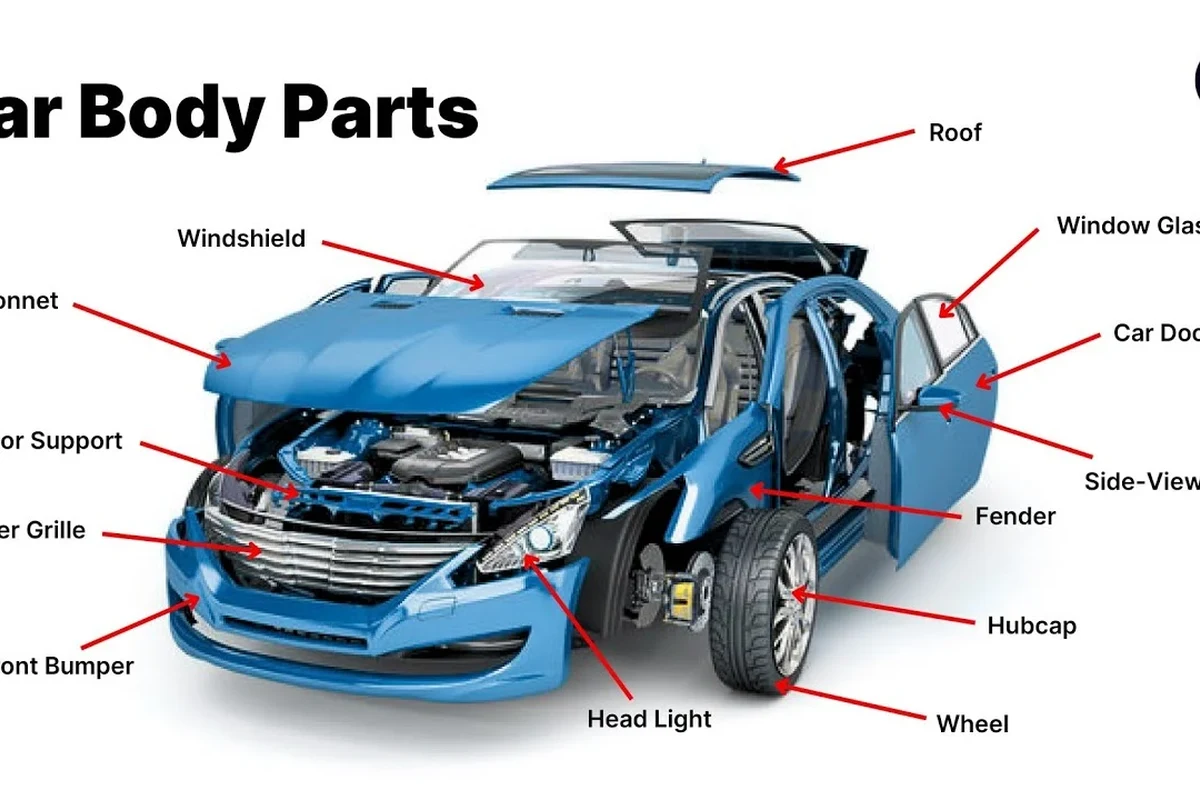
External Parts of a Car: Key Components of a Car’s Exterior
Understanding the major external parts of a car is crucial for effective maintenance. These parts include:
What Are the Major External Parts?
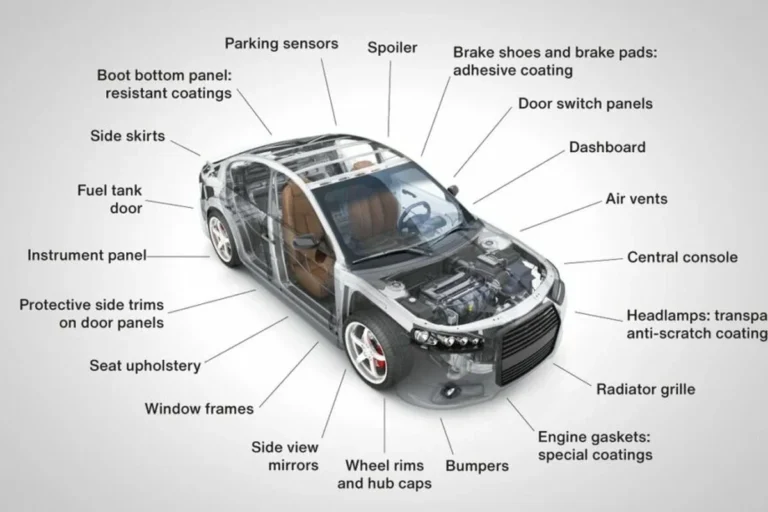
- Bumpers: Located at the front and rear, they protect the vehicle during low-speed impacts.
- Hoods: They cover the engine compartment and can also affect aerodynamics.
- Fenders: These protect the wheels and tires and are critical for aerodynamics.
- Mirrors: Essential for visibility, they include side mirrors and rearview mirrors.
- Doors: They provide access to the interior and are crucial for safety.
- Windows: These enhance visibility and protection from the elements.
Each of these parts has a specific role in the overall performance and safety of the vehicle. You can also use car battery charger and engine starter as the next practical guide.
For external parts of a car, the right call depends on your vehicle, your skill level, and the one spec that decides the job; confirm that spec before you spend money or start the work.
The Importance of External Parts for Safety and Performance
External parts directly influence safety and vehicle performance. For instance, bumpers absorb impact during collisions, reducing potential damage to the frame and passengers.
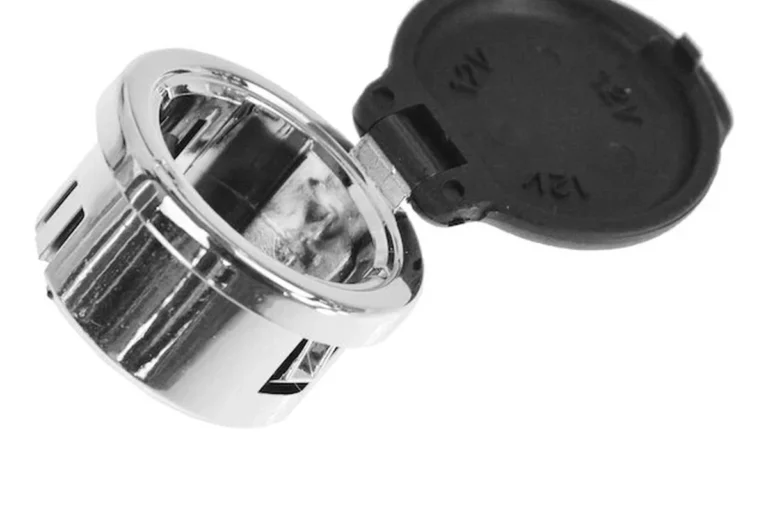
Similarly, mirrors provide necessary visibility to avoid accidents. Maintaining these parts ensures that they function as intended, contributing to overall road safety. For related risk checks, compare this with 12 volt accessory power outlet socket.
Maintenance Practices for External Car Parts
Regular maintenance of external parts is essential to keep your vehicle in optimal condition. Here are some key practices:
Cleaning: Regularly washing your car prevents dirt and grime from damaging the paint and components. Waxing: Applying wax helps protect the paint and enhances the vehicle’s appearance. Inspecting for Damage: Regularly check for dents, scratches, or rust, especially after harsh weather conditions. Repainting: Address any paint damage promptly to prevent rust formation. For official guidance on this, see NHTSA vehicle safety guidance.
These practices both improve the car’s look and extend the life of its parts. You can also use terms and conditions as the next practical guide.
Common Materials and Their Durability
Understanding the materials used in external parts can inform maintenance decisions. Common materials include:
- Steel: Often used for bumpers and fenders; it’s durable but susceptible to rust.
- Aluminum: Lightweight and resistant to corrosion, commonly found in hoods and some body panels.
- Plastic: Used in bumpers and trims; it’s lightweight but can crack under extreme conditions.
- Glass: Used for windows; it requires careful cleaning to avoid scratches.
Each material has its own maintenance needs, so consider this when planning upkeep.
Use this guide on external parts of a car as a working checklist, then adjust it to your exact vehicle, your tools, and your comfort level with the job.
Impact of Weather on External Parts and Maintenance
Weather conditions can significantly impact the condition of external parts. For example:
Sun Exposure: UV rays can fade paint and damage plastic components. Rain and Humidity: These can promote rust on metal parts if not cleaned regularly. Snow and Ice: These can lead to cracks or damage if left unchecked on the vehicle.
Adapting your maintenance routine based on local weather can prolong the life of your car’s external parts. For related context, read editorial policy.
- Car wash soap for regular cleaning.
- Wax to protect the paint finish.
- Microfiber towels for gentle drying.
Common Mistakes in Maintaining External Parts
Many car owners make common mistakes when maintaining their vehicles. Here are a few to avoid:

Neglecting Regular Washes: Allowing dirt to accumulate can damage paint and metal. Using Harsh Chemicals: Some cleaning agents can strip paint or damage finishes. Ignoring Scratches: Small scratches can lead to rust if not addressed quickly. Improper Waxing Techniques: Failing to apply wax correctly can reduce its effectiveness. This also connects with disclaimer before you pay, sign, or book.
Avoiding these mistakes will help maintain the integrity and appearance of your vehicle.
How to Check for Damage or Wear on External Parts
Regular inspections are critical to catch potential issues early. Here’s how to check for damage: For official guidance on this, see Battery Council International.
- Visual Inspection: Look for dents, scratches, or rust during regular washes.
- Feel for Irregularities: Run your hand along surfaces to check for bumps or rough areas.
- Check for Loose Parts: Ensure that mirrors, bumpers, and other components are securely attached.
Performing these checks regularly can help you catch minor issues before they become expensive repairs. For the next step in the job, read sitemap.
Fitment and Compatibility Considerations
When replacing or upgrading external parts, compatibility is key. Here are important checks:
Vehicle Model: Ensure the part is designed for your specific make and model. Installation Requirements: Some parts may require professional installation, especially if they affect safety systems. Material Compatibility: Ensure the new parts match the existing materials to avoid issues. You can confirm compatibility details with affiliate disclosure.
Always consult your vehicle’s manual or a professional for specific fitment information.
Essential Maintenance for External Parts of a Car
Understanding and maintaining the external parts of your car is vital for both aesthetics and safety. Key components such as bumpers, mirrors, and windows require regular inspection and care to prevent issues like rust, damage, and compromised visibility.
By implementing proper maintenance practices, you can enhance your vehicle’s performance and longevity.
- Regularly wash your car to prevent dirt buildup and protect paint.
- Inspect for dents, scratches, or rust during routine checks.
- Apply wax to safeguard the paint and improve appearance.
This guide on external parts of a car is general information. Specs, ratings, fitment, prices, and procedures can change, so confirm important points with your vehicle owner manual, the manufacturer, or the retailer before acting.
Questions Worth Asking
Bumpers are located at the front and rear of the vehicle and are designed to protect it during low-speed impacts. They absorb impact, reducing potential damage to the frame and passengers.
Weather conditions can significantly impact external parts; for instance, UV rays from sunlight can fade paint and damage plastic components. Rain and humidity can promote rust on metal parts if they are not cleaned regularly.
Common materials include steel, aluminum, plastic, and glass, each with unique maintenance requirements. For example, steel is durable but susceptible to rust, while aluminum is lightweight and resistant to corrosion.
Many car owners neglect regular washes, allowing dirt to accumulate and damage paint and metal. Also, using harsh cleaning chemicals can strip paint or damage finishes, leading to further issues.
Regular inspections involve a visual check for dents, scratches, or rust during washes and feeling for irregularities on surfaces. It’s also important to ensure that components like mirrors and bumpers are securely attached.
Ensure that replacement parts are designed for your specific vehicle model and check the installation requirements, especially for safety-related components. It’s crucial to match new parts with existing materials to avoid compatibility issues.
The Bottom Line
Understanding and maintaining the external parts of a car is crucial for safety and aesthetics. Regular inspections, proper cleaning, and timely repairs can prolong the life of these components, ensuring your vehicle remains in good condition.
For additional guidance, keep your vehicle’s manual handy and consult it for specific maintenance recommendations.