Parts of a Car Windshield and Their Importance for Safety
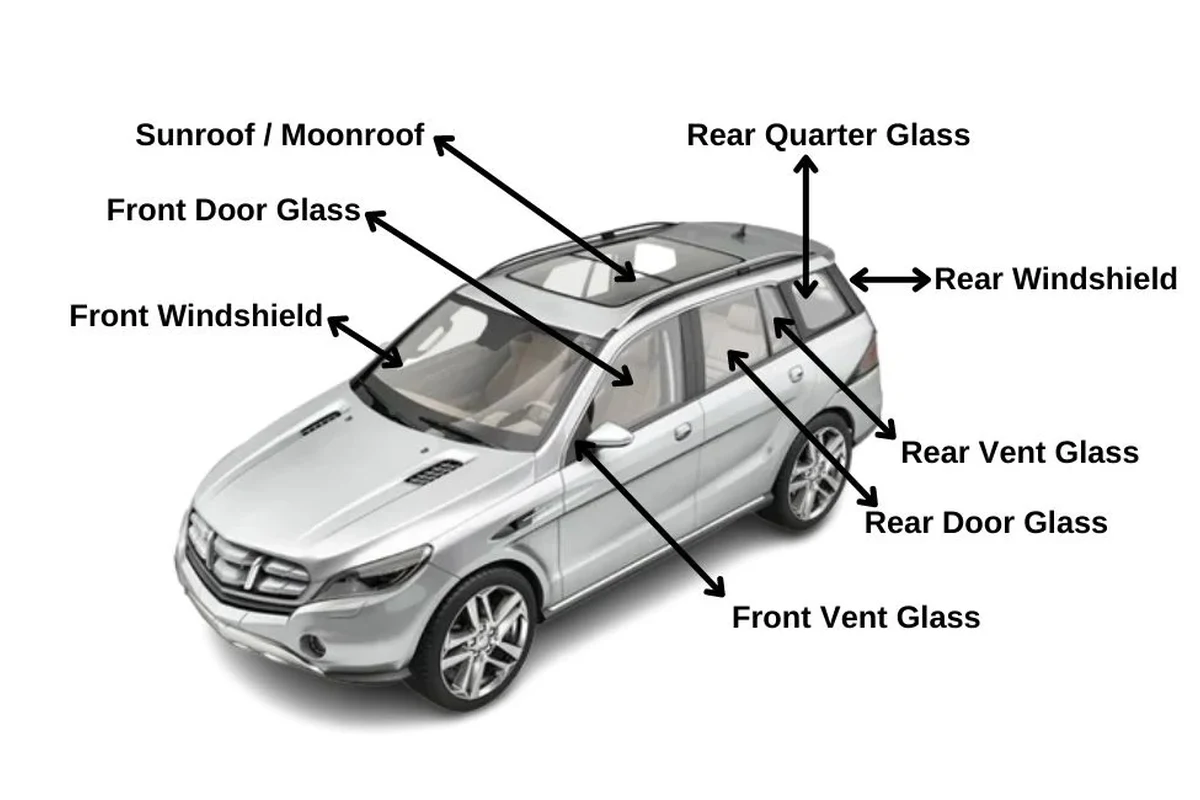
A car windshield consists of several key components that contribute to its function and safety. The main parts include the outer glass, inner glass, laminate layer, adhesives, and wipers.
Understanding the parts of a car windshield is crucial for maintaining vehicle safety. Each component plays a role in visibility, structural integrity, and airbag deployment. This article breaks down these parts and their importance for overall safety.
- Understanding the Parts of a: A car windshield consists of several key components that contribute to its function and.
- Key Components of a Car: Breaking down the parts of a car windshield helps clarify their roles in ensuring.
- Importance of Windshield Materials for: The materials used in windshields are specifically chosen for their safety properties..
- Windshield Installation and Airbag Compatibility: The installation of a windshield is critical for ensuring that airbags deploy correctly during.
- Environmental Factors Affecting Windshield Performance: Windshield performance can be significantly affected by environmental conditions..
Understanding the Parts of a Car Windshield
A car windshield consists of several key components that contribute to its function and safety. The main parts include the outer glass, inner glass, laminate layer, adhesives, and wipers.
Each component serves a specific purpose, ensuring that the windshield performs effectively under various conditions.
Essential Components for Windshield Safety
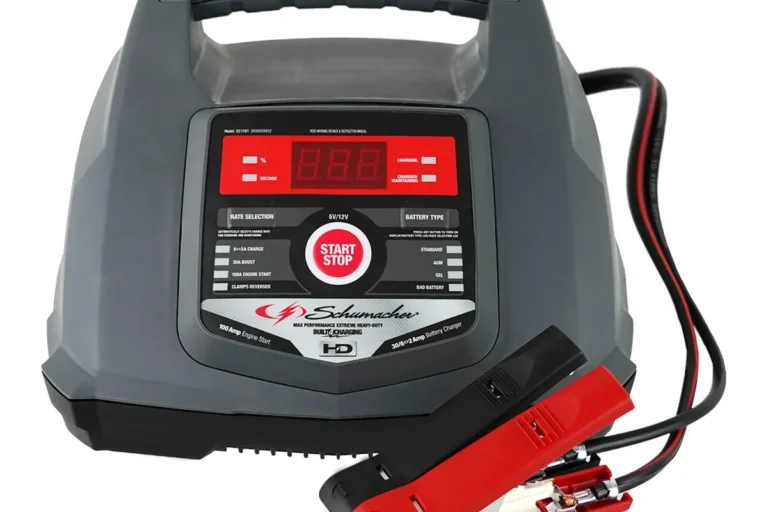
Understanding the key components of your car windshield is vital for ensuring safety and functionality. Here are the essential parts to consider: For related risk checks, compare this with how to charge a car battery.
- Outer Glass: Made from tempered glass, this component is designed to withstand impact and maintain clarity.
- Inner Glass: Consisting of laminated glass, it prevents shattering and reduces the risk of injury from sharp edges.
- Laminate Layer: This critical layer holds the glass together in the event of a break and provides UV protection.
- Adhesives: High-quality adhesives bond the windshield to the vehicle frame, essential for structural integrity and airbag deployment.
- Wipers: These are crucial for maintaining visibility by clearing water and debris from the windshield.
Key Components of a Car Windshield and Their Functions
Breaking down the parts of a car windshield helps clarify their roles in ensuring safety and functionality.
Outer Glass
The outer glass is typically made from tempered glass, which is designed to withstand impact and resist shattering. This layer absorbs impacts from debris while driving, maintaining clarity and structural integrity.
Inner Glass
The inner glass layer is often made from laminated glass, which consists of two glass panes bonded with a plastic interlayer.
This design helps prevent shattering, ensuring that if the glass breaks, it stays intact and reduces the risk of injury from sharp edges.
Laminate Layer
This layer is crucial for safety, as it holds the glass together in the event of a break. It also provides UV protection, reducing glare and protecting the car’s interior from sun damage.
Adhesives
Windshield adhesives are used to bond the glass to the vehicle frame. High-quality adhesives ensure a secure fit, which is essential for structural integrity and airbag deployment. Proper installation is key to maintaining safety standards.
Wipers
Windshield wipers are vital for maintaining visibility in adverse weather conditions. They work in conjunction with the windshield’s design to clear water and debris, ensuring safe driving conditions. You can also use car battery charger and engine starter as the next practical guide.
Safety glasses for protection during inspections. Windshield cleaning solution for maintaining visibility. Sealant for minor repairs. For official guidance on this, see NHTSA vehicle safety guidance.
Importance of Windshield Materials for Safety
The materials used in windshields are specifically chosen for their safety properties. Understanding these materials can help you appreciate their role in protecting passengers.
Glass Types
Windshields use two main types of glass: tempered and laminated. Tempered glass is treated for increased strength, while laminated glass offers additional safety through its interlayer, which absorbs impacts and minimizes injury risks.
UV Protection
Many windshields come with built-in UV protection to shield passengers from harmful rays. This feature is essential for preventing skin damage and protecting the vehicle’s interior materials from fading.
Impact Resistance
Windshields are designed to withstand impacts from road debris and harsh weather. Choosing the right materials can enhance the durability of your windshield, contributing to overall safety. For related context, read terms and conditions.
Windshield Installation and Airbag Compatibility
The installation of a windshield is critical for ensuring that airbags deploy correctly during an accident. Improper installation can lead to serious safety issues.
Checking the Owner’s Manual
Always refer to your vehicle’s owner’s manual for specific installation guidelines. This ensures compliance with manufacturer recommendations and helps maintain airbag functionality.
Professional Installation
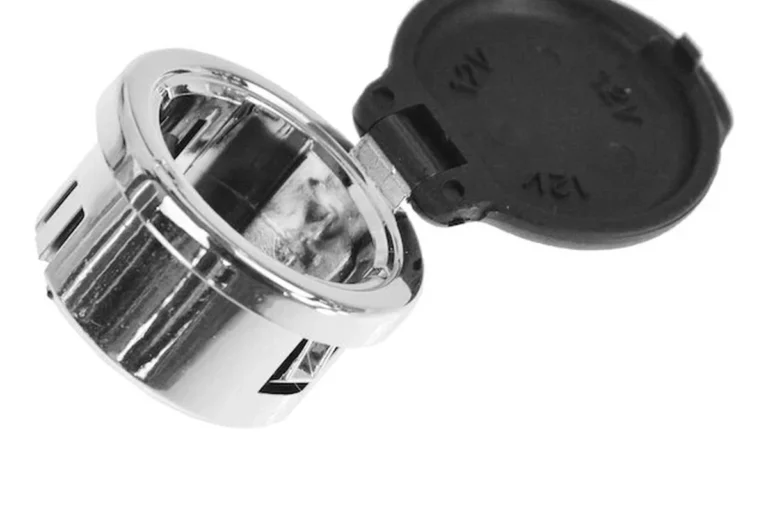
If you are not experienced with windshield installation, consider hiring a professional. They have the tools and knowledge to ensure a proper fit, reducing risks associated with improper installation. This connects with 12 volt accessory power outlet socket for related tools and setup context.
You have minor chips and feel confident handling small repairs.
The damage is extensive or you lack experience in installations.
Environmental Factors Affecting Windshield Performance
Windshield performance can be significantly affected by environmental conditions. Understanding these factors can help you take better care of your windshield.
Temperature Changes
Extreme temperature fluctuations can cause glass to expand and contract, potentially leading to cracks. Regular inspections can help catch these issues early, preventing costly repairs.
UV Exposure
Continuous exposure to UV rays can weaken the materials used in windshields over time. Protecting your windshield from prolonged sunlight can help extend its lifespan. For related context, read editorial policy.
- Check one: Verify the windshield fits your specific vehicle model and year.
- Check two: Ensure adhesive used meets manufacturer specifications.
- Check three: Confirm visibility standards are met for your region.
Common Mistakes in Windshield Maintenance and Replacement
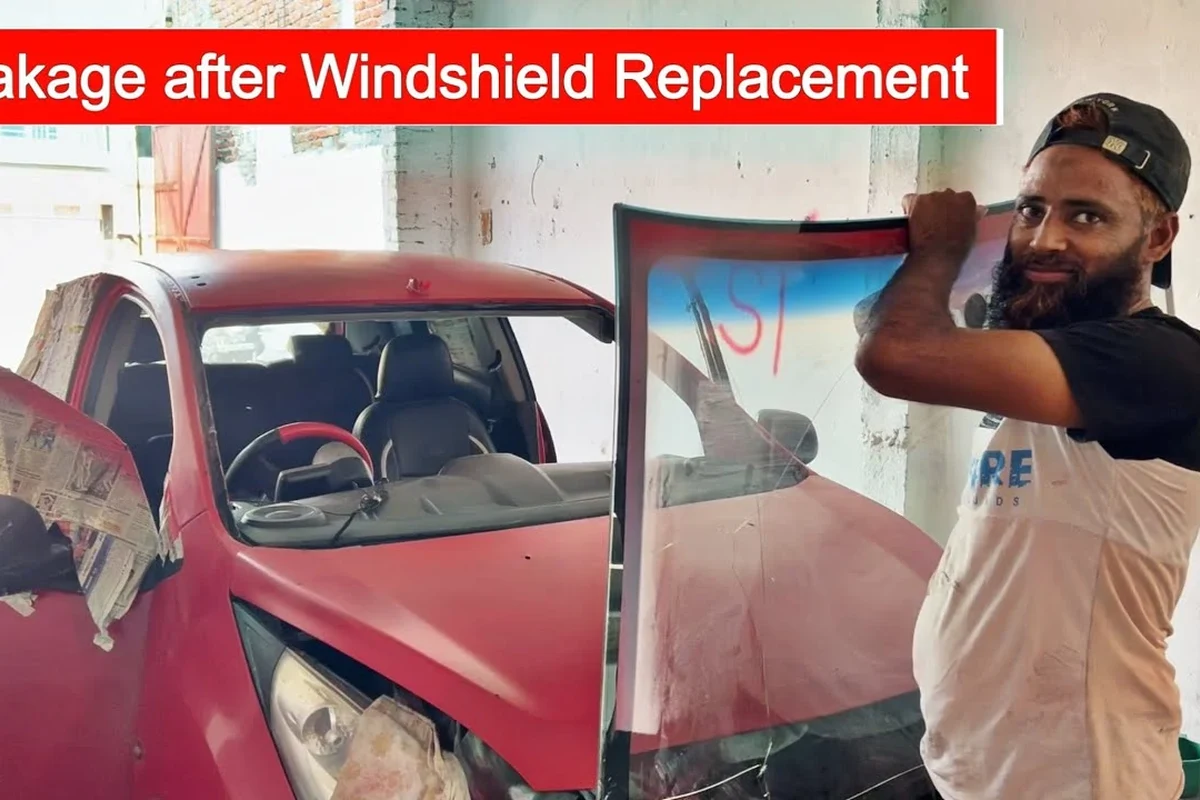
Many car owners make mistakes during windshield maintenance and replacement that can compromise safety. Awareness of these pitfalls is essential.
Using Non-Approved Materials
Always use manufacturer-approved materials for repairs or replacements. Non-approved adhesives or glass types can affect the integrity of the windshield and its ability to withstand impacts. For official guidance on this, see Battery Council International.
Neglecting Regular Inspections
Regularly inspecting your windshield for chips or cracks is crucial. Early detection can prevent small issues from becoming larger, more expensive problems down the line. You can also use disclaimer as the next practical guide.
Legal Standards for Windshield Safety
Windshields must meet specific legal safety standards to ensure visibility and protection. Familiarizing yourself with these standards can help ensure compliance and safety.
Visibility Standards
Most regions have regulations regarding the minimum visibility required for windshields. Ensure your windshield is clear and unobstructed to comply with local laws.
Regulations for Replacement
When replacing a windshield, it’s important to adhere to local regulations regarding materials and installation. This ensures that your vehicle remains safe and legal to drive. For related context, read sitemap.
Improper windshield installation is a common cause of airbag malfunction during collisions.
Next Steps for Ensuring Windshield Safety
Maintaining windshield safety is an ongoing process. Here are some steps you can take to ensure your windshield remains in optimal condition.
Regular Inspections
Schedule regular inspections of your windshield to check for chips, cracks, and signs of wear. This proactive approach can save you from more significant issues later on.
Consult a Professional
If you notice any damage or have concerns about the installation, consult a professional. Their expertise can help ensure your windshield meets safety standards. You can also use affiliate disclosure as the next practical guide.
Understanding the Parts of a Car Windshield for Safety
Each component of a car windshield, from the tempered outer glass to the laminated inner layer, matters for maintaining visibility and ensuring passenger safety.
Proper installation using high-quality adhesives is vital for structural integrity and airbag functionality, making awareness of these parts essential for drivers.
- Inspect for chips or cracks regularly to maintain visibility.
- Use manufacturer-approved materials for any repairs or replacements.
- Consult a professional for installation to ensure compliance with safety standards.
This guide on parts of a car windshield is general information. Specs, ratings, fitment, prices, and procedures can change, so confirm important points with your vehicle owner manual, the manufacturer, or the retailer before acting.
Under-the-Hood Questions
The outer glass is typically made from tempered glass, designed to withstand impact and resist shattering. It absorbs impacts from debris while driving, maintaining clarity and structural integrity.
The laminate layer holds the glass together in the event of a break, preventing shattering and reducing the risk of injury from sharp edges. It also provides UV protection, minimizing glare and protecting the vehicle’s interior from sun damage.
High-quality adhesives ensure a secure fit, which is essential for maintaining structural integrity and proper airbag deployment. Proper installation with the right adhesives is key to meeting safety standards.
Windshield wipers maintain visibility in adverse weather conditions by effectively clearing water and debris from the glass. This functionality is vital for ensuring safe driving conditions.
Many car owners make the mistake of using non-approved materials for repairs, which can compromise the integrity of the windshield. Neglecting regular inspections for chips or cracks is another pitfall that can lead to larger problems.
It’s important to ensure that your windshield meets visibility standards and is clear and unobstructed as per local regulations. Also, when replacing a windshield, adhering to local regulations regarding materials and installation is crucial for safety and legality.
Final Words
Understanding the parts of a car windshield and their importance is essential for vehicle safety. Each component matters for maintaining visibility, protecting passengers, and ensuring airbag effectiveness.
Regular maintenance and awareness of legal standards can help you keep your vehicle safe on the road.