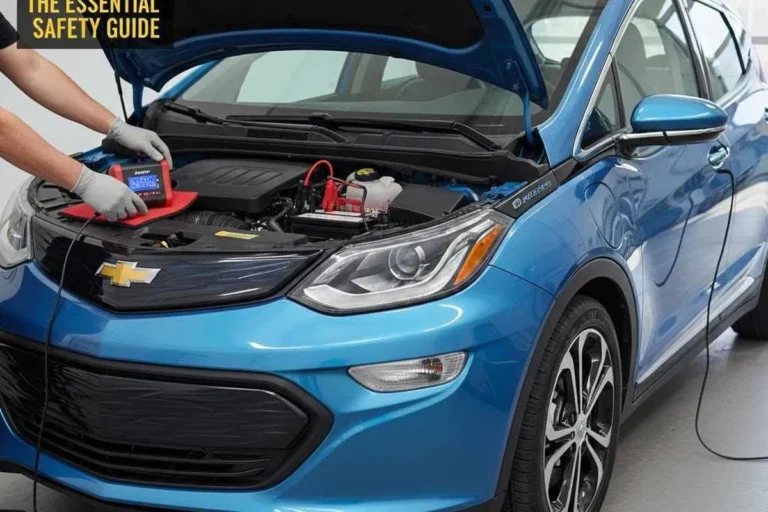
Battery Charger vs Jump Start Which One Is Best
Both battery chargers and jump starters serve essential roles in vehicle maintenance. Knowing how they work and their intended uses can save you time and trouble when dealing with battery issues.
When considering a battery charger vs jump start, the key difference lies in their purpose and functionality. A battery charger is designed to replenish a dead battery slowly, while a jump starter provides a quick boost to start a vehicle.
Understanding these distinctions can help you choose the right tool for your needs.
- Understanding Battery Chargers and Jump: Both battery chargers and jump starters serve essential roles in vehicle maintenance..
- Battery Charger vs Jump Starter: Understanding the differences between a battery charger and a jump starter is crucial for.
- Best-Fit Scenarios: When to Use: Knowing when to use a battery charger versus a jump starter can help you.
- Specifications and Performance: Amps, Safety,: Understanding the specifications of battery chargers and jump starters is vital for choosing the.
- Safety Considerations: Polarity, Protection, and: Safety is crucial when working with automotive batteries..
Understanding Battery Chargers and Jump Starters
Both battery chargers and jump starters serve essential roles in vehicle maintenance. Knowing how they work and their intended uses can save you time and trouble when dealing with battery issues.
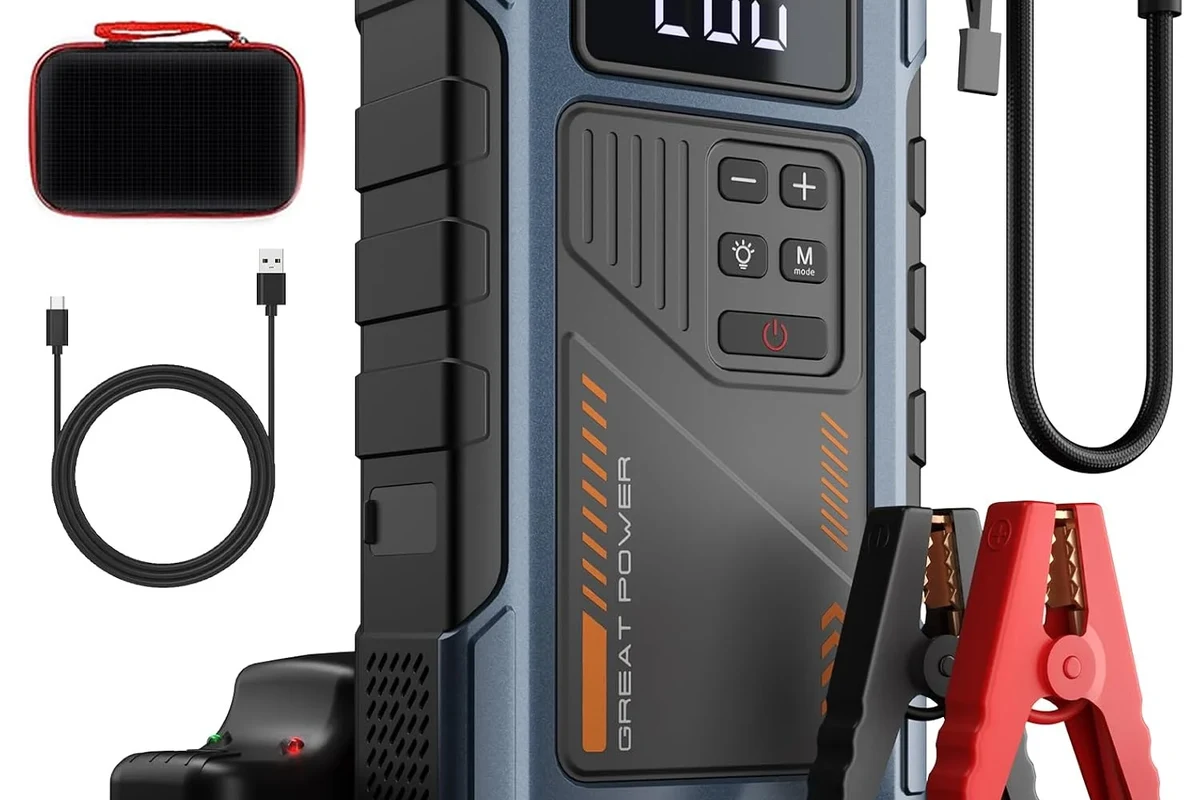
Choosing the Right Tool: Battery Charger vs Jump Starter
Understanding when to use a battery charger or a jump starter can streamline your vehicle maintenance and emergency situations.
- Battery Charger: Best for long-term charging and maintenance of your vehicle’s battery.
- Jump Starter: Ideal for emergency situations when your vehicle won’t start and you need a quick power boost.
- Power Source: Battery chargers require an electrical outlet, while jump starters are typically portable and self-contained.
- Charging Time: A battery charger can take hours to recharge, whereas a jump starter provides instantaneous power to start the vehicle.
- Best-Fit Scenarios: Choose a battery charger if you regularly maintain your vehicle; opt for a jump starter if you often drive in colder climates or need immediate assistance.
| Feature | Battery Charger | Jump Starter |
|---|---|---|
| Primary Function | Charges a depleted battery over time | Provides a quick power boost to start the engine |
| Usage Scenario | Ideal for long-term battery maintenance | Best for emergency situations when a vehicle won’t start |
| Power Source | Requires an electrical outlet | Typically portable and self-contained |
| Time to Recharge | Can take several hours | Instantaneous for starting the vehicle |
What They Are and How They Work
A battery charger slowly recharges a battery by applying a consistent voltage, often taking hours or even overnight for a complete charge. In contrast, a jump starter uses a significant surge of power to start a vehicle almost immediately. For related context, read how to charge a car battery.
This difference in operation makes each tool suitable for different situations.
You have a reliable jump starter or charger and are comfortable handling battery connections.
You are unsure about safety procedures or if the battery is old and needs replacement.
Battery Charger vs Jump Starter: Key Differences
Understanding the differences between a battery charger and a jump starter is crucial for making informed decisions. Each option has its own set of functionalities, advantages, and limitations.
Functionality and Operation Overview
Battery chargers are generally used to restore energy to a dead battery over a longer period. They often come with various settings to accommodate different battery types, including lead-acid and lithium-ion.
Jump starters, on the other hand, are compact devices that provide a quick burst of power directly to the battery terminals. They are ideal for emergency situations, allowing you to start the engine without waiting for a full charge. You can also use car battery charger and engine starter as the next practical guide.
| Feature | Battery Charger | Jump Starter |
|---|---|---|
| Charging Time | Hours to overnight | Minutes |
| Portability | Less portable, often requires a power source | Highly portable, often includes built-in battery |
| Best Use | Long-term charging and maintenance | Emergency starting |
| Price Range | Generally lower | Varies widely based on capacity |
Best-Fit Scenarios: When to Use Each
Knowing when to use a battery charger versus a jump starter can help you make the right choice in different situations. For official guidance on this, see Battery Council International.
Choosing Between a Charger and a Jump Starter Based on Your Needs
If you regularly maintain your vehicle and want to keep your battery in top condition, a battery charger is a wise investment. It can help prolong battery life by ensuring it’s always topped off.
Conversely, if you’re often on the go or drive in colder climates, a jump starter can be a lifesaver for those unexpected moments when your battery dies. For related context, read 12 volt accessory power outlet socket.
- Rating
- Peak amps for jump starters; charging amps for battery chargers.
- Size / Drive
- Compact for jump starters; bulkier for battery chargers.
- Build
- Plastic or metal housing for durability.
Exact figures vary by model, so confirm them on the current listing.
Specifications and Performance: Amps, Safety, and Build Quality
Understanding the specifications of battery chargers and jump starters is vital for choosing the right tool.
Understanding Ratings and Manufacturer Guidelines
Most jump starters are rated in peak amps, which indicates the maximum power they can deliver for a short time. Look for models that provide both peak and cranking amps.
Battery chargers often have a lower amp rating but may include features like smart charging, which adjusts the charge rate based on the battery’s condition. Always refer to the manufacturer’s guidelines for specific charging times and compatibility. You can also use terms and conditions as the next practical guide.
Always ensure both vehicles are off before connecting cables. Wear safety goggles and avoid touching the battery terminals with bare hands.
Safety Considerations: Polarity, Protection, and Usage Procedures
Safety is crucial when working with automotive batteries. Understanding the risks and how to mitigate them can prevent accidents. For related risk checks, compare this with editorial policy.

How to Jump-Start Your Vehicle Safely
Follow these steps for safe jump-starting:
- Check the Manual
Always refer to your vehicle’s owner manual for specific jump-starting instructions and safety notes.
- Connect Properly
Attach the positive lead to the dead battery first, then to the good battery, followed by the negative lead to the good battery, and finally to a ground on the dead vehicle. For official guidance on this, see CPSC consumer product safety.
- Start the Donor Vehicle
Let it run for a few minutes before attempting to start the dead vehicle.
Environmental Factors: Cold Weather Behavior and Storage
Extreme temperatures can affect battery performance, impacting both chargers and jump starters.
How Temperature Impacts Battery Performance
Cold weather can significantly reduce a battery’s ability to hold a charge. A jump starter may struggle to deliver its rated peak amps in very low temperatures, while a battery charger may take longer to replenish a battery in these conditions. You can also use disclaimer as the next practical guide.
Store both devices in a temperature-controlled environment to maintain their effectiveness.
Battery chargers are best for long-term maintenance, while jump starters are invaluable for emergency situations. Assess your usage to determine which tool fits your needs.
Making the Right Choice: A Balanced Verdict
Choosing between a battery charger and a jump starter depends on your specific needs and circumstances.
Who Should Choose What?
If you frequently find yourself needing to recharge a battery, a battery charger is the best choice. It is especially useful for long-term maintenance.
Conversely, if you’re often on the road or in situations where you might need to start a vehicle quickly, a jump starter is essential. Consider your driving habits, climate, and vehicle type when making a decision. For related context, read sitemap.
This guide on battery charger vs jump start is general information. Specs, ratings, fitment, prices, and procedures can change, so confirm important points with your vehicle owner manual, the manufacturer, or the retailer before acting.
Under-the-Hood Questions
The primary difference lies in their purpose: a battery charger is designed to replenish a dead battery slowly, while a jump starter provides a quick boost to start a vehicle almost immediately.
A battery charger generally takes hours to overnight to fully recharge a battery, depending on the charger and battery condition. In contrast, a jump starter works in minutes, allowing for immediate vehicle starting.
A jump starter is typically more portable as it is compact and often includes a built-in battery. Battery chargers, on the other hand, are less portable and usually require a power source to operate.
A battery charger is best for long-term charging and maintenance of your vehicle’s battery, particularly if you want to keep it in top condition. It is ideal for situations where you have time to let the battery recharge fully.
When jump-starting, always check your vehicle’s manual for specific instructions and ensure both vehicles are off before connecting cables. It’s important to wear safety goggles and avoid touching battery terminals with bare hands to prevent accidents.
Extreme temperatures can significantly affect battery performance; cold weather may reduce a battery’s ability to hold a charge. A jump starter may struggle to deliver its rated peak amps in low temperatures, while a battery charger might take longer to replenish a battery under the same conditions.
Wrapping Up the Job
Both battery chargers and jump starters have their place in vehicle maintenance. Understanding their differences will help you make an informed choice that suits your lifestyle and vehicle needs.
Whether you opt for a battery charger for regular maintenance or a jump starter for emergencies, knowing how to use them safely is crucial. You can also use affiliate disclosure as the next practical guide.