Indoor vs Outdoor Car Cover Which One Protects
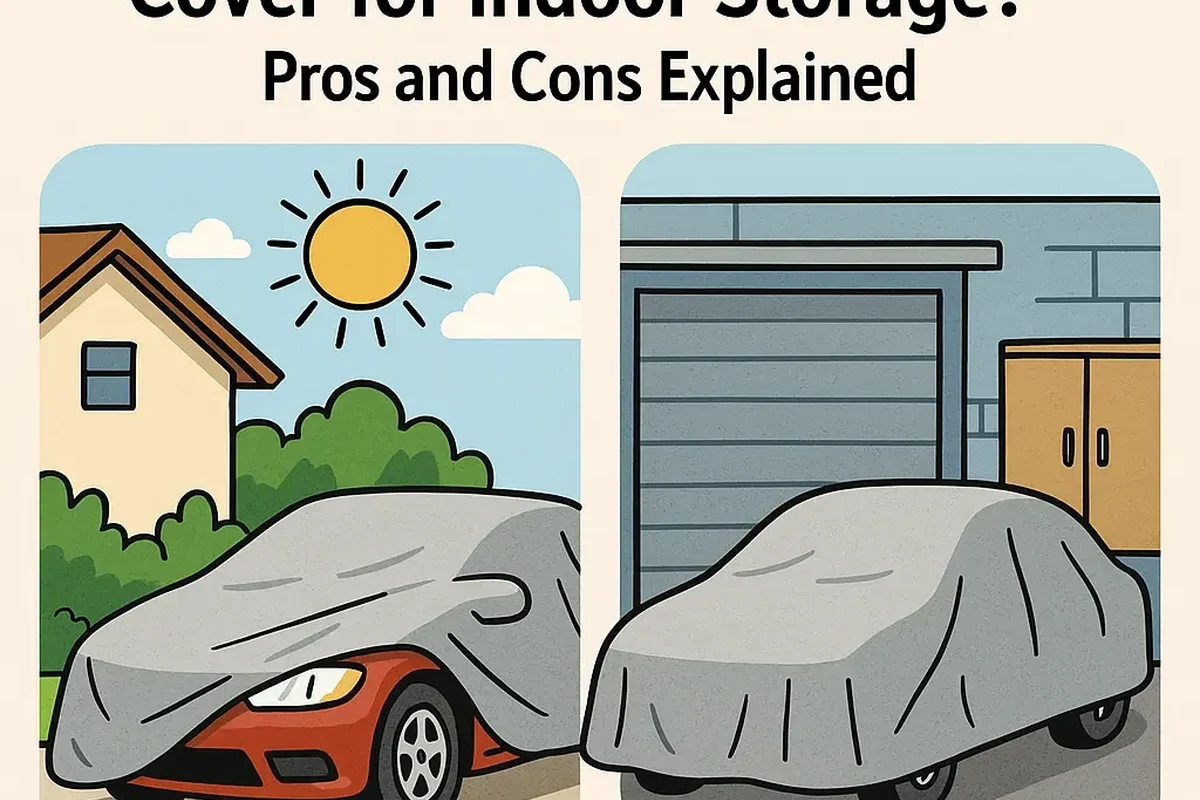
Car covers are essential for protecting vehicles from various environmental factors. The choice between an indoor and outdoor car cover largely depends on where you park your vehicle and what protection it needs.
When considering an indoor vs outdoor car cover, understand that each serves distinct purposes. Indoor covers shield against dust and minor dings, while outdoor covers protect against weather elements.
This article will detail the differences and help you choose the right cover for your vehicle.
- Understanding Indoor vs Outdoor Car: Car covers are essential for protecting vehicles from various environmental factors..
- Key Differences Between Indoor and: Knowing the primary distinctions between indoor and outdoor car covers can simplify your decision..
- Price Comparison: Indoor vs Outdoor: Pricing can be a significant factor in your decision..
- User Ratings and Warranties for: When purchasing a car cover, checking user ratings and warranty terms can provide valuable.
- Best-Fit Scenarios for Each Car: Understanding the best-fit scenarios for each type of cover can guide your choice dramatically..
Understanding Indoor vs Outdoor Car Covers
Car covers are essential for protecting vehicles from various environmental factors. The choice between an indoor and outdoor car cover largely depends on where you park your vehicle and what protection it needs.
An indoor cover typically offers lighter material, while outdoor covers are designed to withstand harsher conditions. For another head-to-head, read car starter vs battery.
| Cover Type | Material | Protection Level |
|---|---|---|
| Indoor Car Cover | Lighter Material | Basic Protection |
| Outdoor Car Cover | Durable Material | High Protection |
Key Differences Between Indoor and Outdoor Car Covers
Knowing the primary distinctions between indoor and outdoor car covers can simplify your decision. Here are the main aspects to consider:
Protection Against Elements
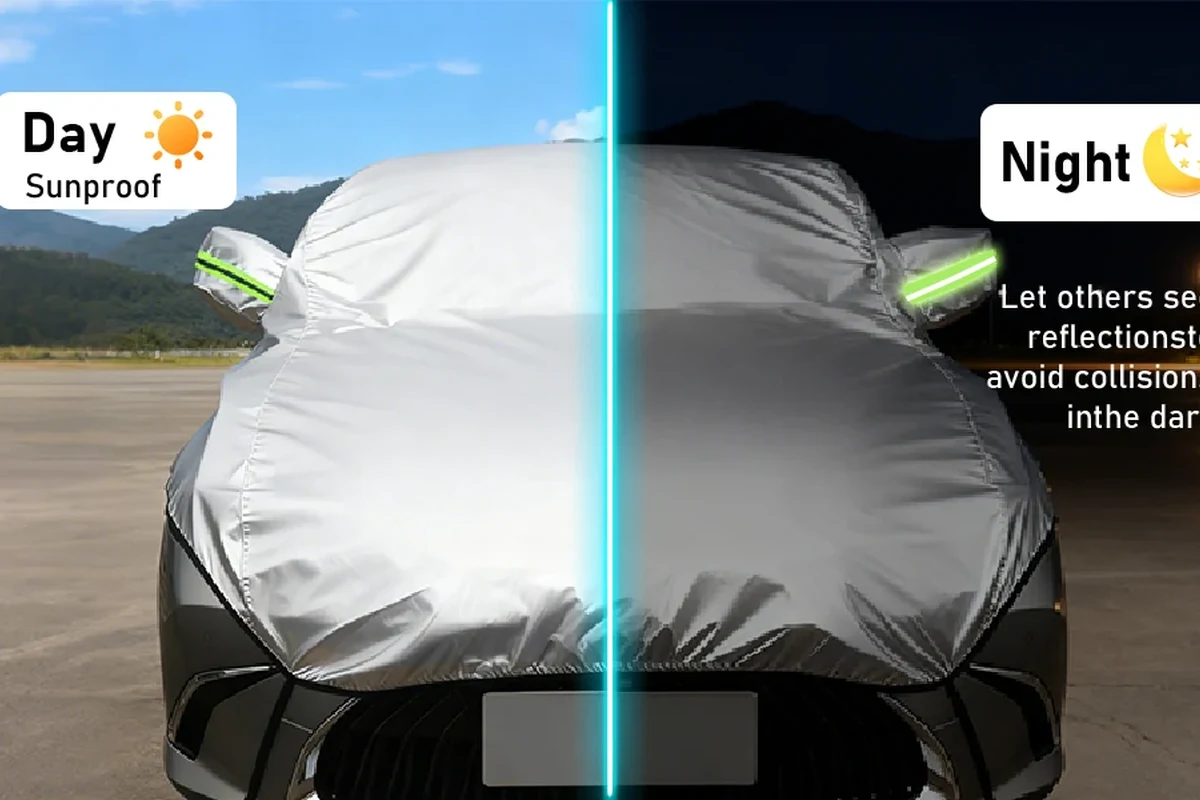
Outdoor car covers provide superior protection against rain, snow, UV rays, and dust. They are typically made from waterproof or water-resistant materials and have UV inhibitors.
Indoor covers, on the other hand, focus on protecting against dust, scratches, and dings rather than moisture or sun damage.
Build Quality and Materials Used
The materials used in these covers vary significantly. Indoor covers often use soft, breathable fabrics like cotton or polyester, allowing moisture to escape while preventing dust accumulation. For official guidance on this, see Battery Council International.
Outdoor covers require sturdier materials like polyester or nylon, often with additional coatings for UV and water resistance. This durability comes at the cost of weight and flexibility, which may make outdoor covers bulkier. You can also use car battery charger vs jumper as the next practical guide.
- Compare the one spec that decides the job first, then price.
- Check warranty and support on both options, not only the feature list.
- Check whether either option needs extra adapters or accessories.
Price Comparison: Indoor vs Outdoor Car Covers
Pricing can be a significant factor in your decision. Typically, indoor car covers are more affordable, ranging from $30 to $150 depending on the brand and material.
Outdoor covers usually cost between $50 and $300, given their enhanced protection features. The price difference reflects the materials used and the protection level provided. For another head-to-head, read car battery charger advance auto parts.
User Ratings and Warranties for Car Covers
When purchasing a car cover, checking user ratings and warranty terms can provide valuable insights. Most outdoor covers tend to have longer warranty periods, often up to 5 years, due to their solid construction.
Indoor covers usually come with shorter warranties, around 1 to 3 years. User ratings can vary widely based on personal experiences, so it’s wise to consult trusted platforms for feedback. You can also use parts of a car windshield as the next practical guide.
Parts and tools wear with use and weather, so judge them on how they hold up after months, not on a single job.
Best-Fit Scenarios for Each Car Cover Type
Understanding the best-fit scenarios for each type of cover can guide your choice dramatically.
When to Use Indoor Car Covers
Indoor car covers are ideal for vehicles stored in garages or covered areas. They are suitable for classic cars, daily drivers, or vehicles that don’t face harsh environmental conditions.
If your vehicle is primarily sheltered from the elements, an indoor cover will suffice.
When to Opt for Outdoor Car Covers
For vehicles parked outdoors, especially in areas prone to extreme weather conditions, outdoor car covers are essential. They are suitable for cars exposed to sun, rain, snow, or dust. For official guidance on this, see Consumer Reports car guidance.
If your vehicle is regularly outdoors, investing in a quality outdoor cover is a wise choice. For related context, read external parts of a car.
Indoor car cover: look for breathable materials like cotton or polyester. Outdoor car cover: ensure it has waterproof features and UV protection. Measure your vehicle to select the correct cover size.
Pros and Cons of Indoor and Outdoor Car Covers
Every choice comes with advantages and disadvantages. Here’s a quick breakdown:
- Indoor Car Covers:
- Pros: Lightweight, easy to store, provides dust protection.
- Cons: Limited protection against moisture and harsh weather.
- Outdoor Car Covers:
Pros: Weather-resistant, UV protection, durable. Cons: Heavier, bulkier, and typically more expensive.
Final Verdict: Which Car Cover Is Right for You?
Choosing between an indoor vs outdoor car cover largely depends on your parking situation and environmental factors. If your vehicle is mostly indoors, an indoor cover is sufficient and cost-effective.
However, if your car is often outside, an outdoor cover is worth the investment for its weather-resistant capabilities. Assess your needs carefully to make the best decision. You can also use names of car parts interior as the next practical guide.
- Check warranty lengths for indoor and outdoor options.
- Confirm the material type and its specific weather-resistant features.
- Compare user ratings across different brands for durability insights.
Summary of Key Points on Indoor vs Outdoor Car Covers
The main considerations when choosing between indoor vs outdoor car covers are protection level, material quality, and intended use. Indoor covers are suitable for garage-kept vehicles needing dust protection, while outdoor covers are necessary for vehicles exposed to the elements. For another head-to-head, read parts in a car interior.
Evaluating your specific situation will help you make the right choice.
Choosing Between Indoor vs Outdoor Car Covers
When deciding between indoor and outdoor car covers, consider your vehicle’s parking environment and the protection it needs.
Indoor covers are perfect for garage-kept cars requiring basic dust protection, while outdoor covers are essential for vehicles exposed to harsh weather elements, offering superior durability and resistance against rain, snow, and UV rays.
Assess your vehicle’s storage location to determine the appropriate cover type. Consider the materials of each cover; indoor should be breathable, while outdoor needs to be weather-resistant. Review warranty lengths and user ratings to gauge quality and reliability. This choice also connects with parts of a car exterior.
This guide on indoor vs outdoor car cover is general information. Specs, ratings, fitment, prices, and procedures can change, so confirm important points with your vehicle owner manual, the manufacturer, or the retailer before acting.
Questions Worth Asking
Outdoor car covers provide superior protection against rain, snow, UV rays, and dust. They are typically made from waterproof or water-resistant materials with UV inhibitors to withstand harsh conditions.
Indoor car covers often use soft, breathable fabrics like cotton or polyester. These materials allow moisture to escape while effectively preventing dust accumulation.
Indoor car covers typically range from $30 to $150, making them more affordable. In contrast, outdoor covers usually cost between $50 and $300 due to their enhanced protection features and materials.
Most outdoor covers come with longer warranty periods, often up to 5 years, due to their solid construction. Indoor covers usually have shorter warranties, ranging from 1 to 3 years.
Indoor car covers are ideal for vehicles stored in garages or covered areas, such as classic cars and daily drivers. If your vehicle is primarily sheltered from the elements, an indoor cover is a suitable choice.
Outdoor car covers offer weather resistance, UV protection, and durability, making them essential for cars exposed to the elements. However, they tend to be heavier, bulkier, and typically more expensive than indoor covers.
Final Words
When considering an indoor vs outdoor car cover, understand that each serves distinct purposes. Indoor covers shield against dust and minor dings, while outdoor covers protect against weather elements.