Hitch Mounted Cargo Carrier vs Roof Which Is Best
For transporting bulky items or additional gear, drivers often face the choice between hitch-mounted and roof-mounted cargo carriers. Each has its own advantages and limitations, which can significantly affect your travel experience and vehicle performance.
If you’re considering a hitch mounted cargo carrier vs roof options, understanding their differences is crucial. Both serve the purpose of increasing your vehicle’s storage capacity, but they cater to different needs and preferences. For related context, read battery booster vs jump starter.
This article will break down their key features, benefits, and potential drawbacks to help you make an informed choice. You can also use battery charger vs jump start as the next practical guide.
- Understanding Cargo Carrier Options: Hitch-Mounted: For transporting bulky items or additional gear, drivers often face the.
- Key Differences Between Hitch-Mounted and: Understanding the fundamental differences between hitch-mounted and roof-mounted carriers helps clarify which option may.
- Ease of Use: Installation and: Installation and ease of use are critical when deciding between hitch-mounted and roof-mounted cargo.
- Safety Factors: Which Option Is: Safety is critical when transporting cargo..
- Cost Comparison: Pricing and Value: When selecting between hitch-mounted and roof-mounted carriers, understanding the costs involved is essential..
Understanding Cargo Carrier Options: Hitch-Mounted vs. Roof-Mounted
For transporting bulky items or additional gear, drivers often face the choice between hitch-mounted and roof-mounted cargo carriers. Each has its own advantages and limitations, which can significantly affect your travel experience and vehicle performance. For another head-to-head, read best portable jump starter with air compressor.
| Feature | Hitch-Mounted Carrier | Roof-Mounted Carrier |
|---|---|---|
| Ease of Access | Easy to load and unload; accessible from ground level | Requires climbing to access; may need a ladder |
| Vehicle Compatibility | Compatible with most vehicles with a hitch | May require crossbars; limited by roof weight capacity |
| Wind Resistance | Less affected by wind; maintains vehicle stability | Higher wind resistance; can impact fuel efficiency |
| Storage Capacity | Typically offers larger storage space | Limited storage space; may not fit larger items |
- Check one: Ensure your vehicle has a compatible hitch receiver.
- Check two: Verify the roof load rating from your vehicle’s manual.
- Check three: Confirm the dimensions of the cargo for fitting.
Key Differences Between Hitch-Mounted and Roof-Mounted Cargo Carriers
Understanding the fundamental differences between hitch-mounted and roof-mounted carriers helps clarify which option may best suit your needs.
Comparative Overview of Hitch and Roof Carriers
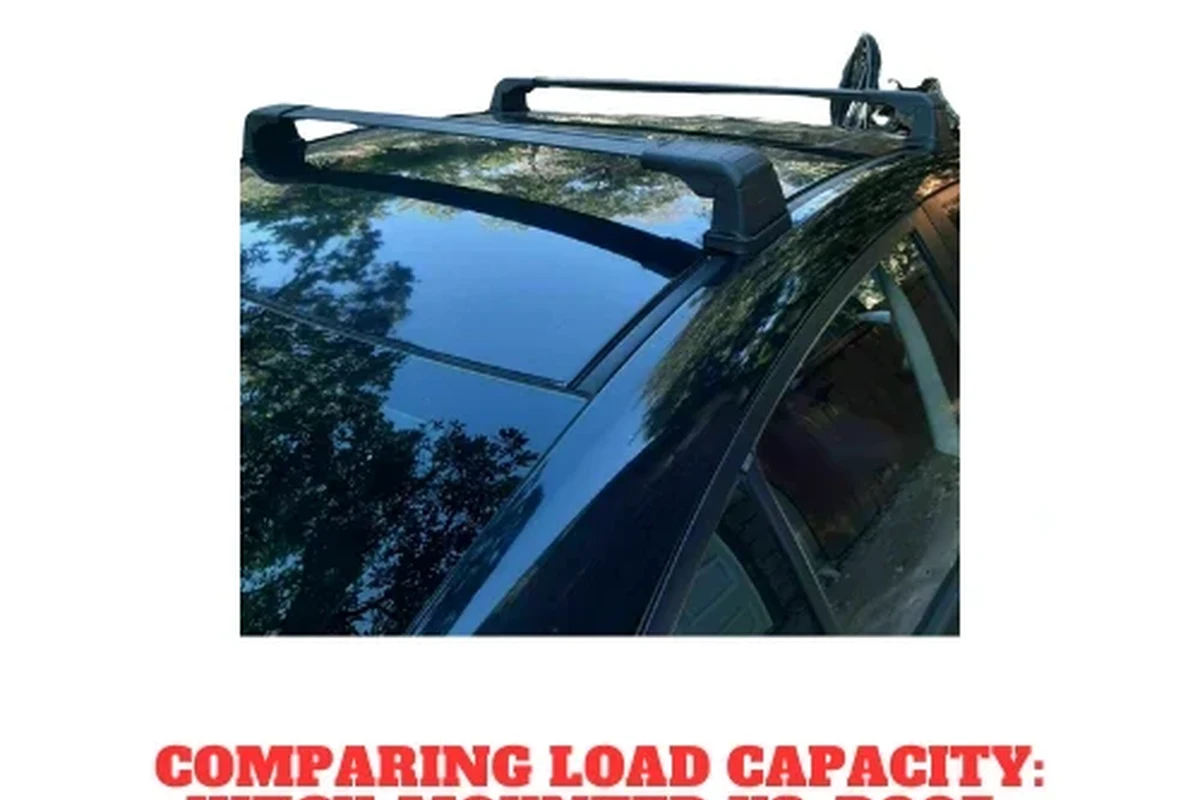
Hitch-mounted cargo carriers attach to the rear hitch of your vehicle, while roof-mounted carriers sit atop the roof. This fundamental difference impacts various aspects, including ease of access, installation, and driving dynamics.
Roof carriers typically require a higher lift to load and unload, while hitch-mounted options allow for easier access from the ground.
Weight Limits and Capacities: What You Need to Know
Weight limits vary significantly between the two types. Hitch-mounted carriers can generally handle more weight, often rated up to 500 lbs, while roof-mounted options usually max out around 165 lbs.
It’s essential to consider your vehicle’s towing capacity and the weights of the items you plan to carry. You can also use car battery charger vs jumper as the next practical guide.
| Carrier Type | Weight Capacity | Typical Use |
|---|---|---|
| Hitch-Mounted | Up to 500 lbs | Heavy gear, bikes, or luggage |
| Roof-Mounted | Up to 165 lbs | Light gear, kayaks, or cargo boxes |
Ease of Use: Installation and Accessibility
Installation and ease of use are critical when deciding between hitch-mounted and roof-mounted cargo carriers.
Installation Methods for Both Carrier Types
Hitch-mounted carriers typically require minimal tools for installation. They usually slide into the hitch receiver and secure with a pin. In contrast, roof-mounted carriers often need crossbars and may require more complex installation, especially if the vehicle lacks pre-installed roof rails. For official guidance on this, see Battery Council International.
Accessibility: Loading and Unloading Cargo
Accessing cargo is generally easier with hitch-mounted carriers. You can load and unload without needing to reach overhead. Roof-mounted carriers, however, may require a step stool or ladder for access, making them less practical for regular use. For related context, read how to charge a car battery.
Always secure cargo properly and check weight limits to avoid accidents. Also, ensure the hitch is correctly installed to prevent detachment while driving.
Safety Factors: Which Option Is Safer?
Safety is critical when transporting cargo. Each option has specific safety considerations that you should keep in mind.
Crash Safety Ratings and Stability
Hitch-mounted carriers tend to offer more stability, especially for heavier loads. They are less likely to shift or sway during transit.
Roof-mounted carriers can affect your vehicle’s center of gravity, potentially leading to handling issues, especially in high winds or during sudden maneuvers.
Weather Considerations and Their Impact
Weather can affect both types of carriers differently. Roof-mounted carriers may expose your cargo to rain or snow, which can lead to moisture damage. Hitch-mounted options, while also exposed, tend to shield cargo better from elements, especially if equipped with a cover. You can also use jump starter vs booster as the next practical guide.
- Confirm the weight rating appropriate for your cargo.
- Check that the carrier fits your vehicle’s hitch or roof specifications.
- Compare warranty terms for better value.
Cost Comparison: Pricing and Value for Money
When selecting between hitch-mounted and roof-mounted carriers, understanding the costs involved is essential.
Price Ranges for Popular Models
Hitch-mounted carriers generally range from $100 to $500, depending on features and capacity. Roof-mounted carriers can vary widely, typically costing between $150 to over $600, influenced by brand and capacity. Always check current prices to ensure you’re getting the best deal. For official guidance on this, see NHTSA vehicle safety guidance.
Warranty and Support: What to Expect
Most manufacturers provide warranties ranging from one year to a lifetime for both carrier types. It’s crucial to read the warranty terms to understand coverage details and what might void the warranty. For related context, read battery jumper vs charger.
Both hitch-mounted and roof-mounted cargo carriers have their strengths and weaknesses. Choose a hitch-mounted option for heavy loads and easy access, while a roof-mounted carrier suits lighter items and vehicles without hitches.
Best-Fit Scenarios: Choosing the Right Carrier for Your Needs
Each type of cargo carrier is better suited for specific scenarios.
Who Should Choose a Hitch-Mounted Carrier?
Hitch-mounted carriers are ideal for those transporting heavy gear, like bikes or luggage, and for users who prefer easy access for loading and unloading without the need for ladders. They are also suitable for long road trips where stability is a priority.
Ideal Situations for Roof-Mounted Carriers
Roof-mounted carriers are best for individuals with lighter gear, such as kayaks or small cargo boxes, and for those who have a vehicle without a hitch.
They are also a good choice for users who require additional space but do not want to obstruct their rear view. You can also use battery charger vs jump starter reddit as the next practical guide.
This guide on hitch mounted cargo carrier vs roof is general information. Specs, ratings, fitment, prices, and procedures can change, so confirm important points with your vehicle owner manual, the manufacturer, or the retailer before acting.
Common Questions
Hitch-mounted carriers can generally handle more weight, often rated up to 500 lbs, while roof-mounted options usually max out around 165 lbs. This significant difference is crucial for users planning to transport heavy gear or bulky items.
Hitch-mounted carriers typically require minimal tools for installation, sliding into the hitch receiver and securing with a pin. In contrast, roof-mounted carriers often need crossbars and may involve a more complex installation, especially for vehicles lacking pre-installed roof rails.
Hitch-mounted carriers allow for easier access when loading and unloading cargo, as they can be reached from the ground. Roof-mounted carriers, however, may require a step stool or ladder, making them less convenient for frequent use.
Hitch-mounted carriers generally provide more stability for heavier loads and are less likely to sway during transit. Roof-mounted carriers can affect a vehicle’s center of gravity, posing handling issues, especially in adverse weather conditions.
Hitch-mounted carriers are ideal for transporting heavy gear like bikes or luggage, while roof-mounted carriers are better suited for lighter items such as kayaks or small cargo boxes. This distinction helps users select the most appropriate carrier based on their specific needs.
Hitch-mounted carriers generally range from $100 to $500, while roof-mounted options can vary widely, typically costing between $150 to over $600. It’s important to compare prices and features to ensure you’re getting the best value for your needs.
Final Words
Choosing between a hitch mounted cargo carrier vs roof involves considering your specific needs, vehicle compatibility, and safety factors. Each option has its unique advantages and potential drawbacks.
Evaluating your travel habits and cargo types will help ensure you make the best choice for your vehicle and lifestyle.