Advance Auto Parts Jumper Cables for Quick and Reliable
Jumper cables are used to transfer power from a working battery to a dead one, allowing the vehicle to start. Advance Auto Parts jumper cables are designed with various specifications to cater to different vehicle types and battery configurations.
Advance Auto Parts jumper cables are an essential tool for any driver needing a boost. These cables are designed to provide a reliable connection for jump-starting vehicles, making them crucial for emergencies.
- Understanding Advance Auto Parts Jumper: Jumper cables are used to transfer power from a working battery to a dead.
- Key Features of Advance Auto: When selecting jumper cables, several key features determine their effectiveness and safety..
- Choosing the Right Jumper Cables: Selecting the right jumper cables depends on your vehicle’s size and battery type..
- Safety Precautions When Using Jumper: Safe use of jumper cables is crucial to avoid damaging your vehicle or injuring.
- Jump-Starting a Vehicle: Step-by-Step Guide: Follow these steps for a safe and effective jump-start.
Understanding Advance Auto Parts Jumper Cables
Jumper cables are used to transfer power from a working battery to a dead one, allowing the vehicle to start. Advance Auto Parts jumper cables are designed with various specifications to cater to different vehicle types and battery configurations.
Ensuring Compatibility with Advance Auto Parts Jumper Cables
Choosing the right jumper cables is essential for effective jump-starting. Here are key compatibility checks to consider before using Advance Auto Parts jumper cables. For related fitment checks, see how to charge a car battery.
- Gauge Selection: Confirm the gauge is suitable for your vehicle type; larger vehicles may require 4-gauge cables.
- Length Verification: Ensure the length of the cables (12 to 25 feet) meets the distance between your vehicle and the one needing a jump-start.
- Amp Rating Check: Verify that the amp rating (400-1000 amps) aligns with your vehicle’s needs for optimal performance.
- Inspect Cable Condition: Always check the cables for any frays or damage before use to maintain safety and effectiveness.
Key Features of Advance Auto Parts Jumper Cables
When selecting jumper cables, several key features determine their effectiveness and safety. Understanding the specifications can help you choose the right set for your needs.
Specifications: Length, Gauge, and Amp Ratings
Advance Auto Parts offers jumper cables in various lengths, typically ranging from 12 to 25 feet. The gauge of the cables is crucial; a lower gauge number means thicker cables that can carry more current.
Common gauges include 4, 6, and 8, with 4-gauge cables being ideal for larger vehicles.
Also, pay attention to the amp ratings, which indicate how much current the cables can deliver. Jumper cables with a rating of 400-600 amps are generally suitable for most cars, while larger vehicles may require cables rated for 1000 amps or more. You can also use car battery charger and engine starter as the next practical guide.
- Gauge
- 4, 6, or 8 gauge for varying current capacity.
- Length
- 12 to 25 feet, based on vehicle size.
- Amps
- 400-1000 amps depending on application.
Exact specifications may vary by model, confirm before purchasing.
Choosing the Right Jumper Cables for Your Vehicle
Selecting the right jumper cables depends on your vehicle’s size and battery type. Larger vehicles like SUVs and trucks typically require thicker cables with higher amp ratings.
For smaller vehicles, 6-gauge cables may be sufficient, but consider having 4-gauge cables on hand for emergencies to ensure compatibility with any vehicle. For related context, read terms and conditions.
Safety Precautions When Using Jumper Cables
Safe use of jumper cables is crucial to avoid damaging your vehicle or injuring yourself. Always follow the proper procedures and precautions when jump-starting a vehicle. For official guidance on this, see Battery Council International.
Understanding Polarity and Clamp Safety
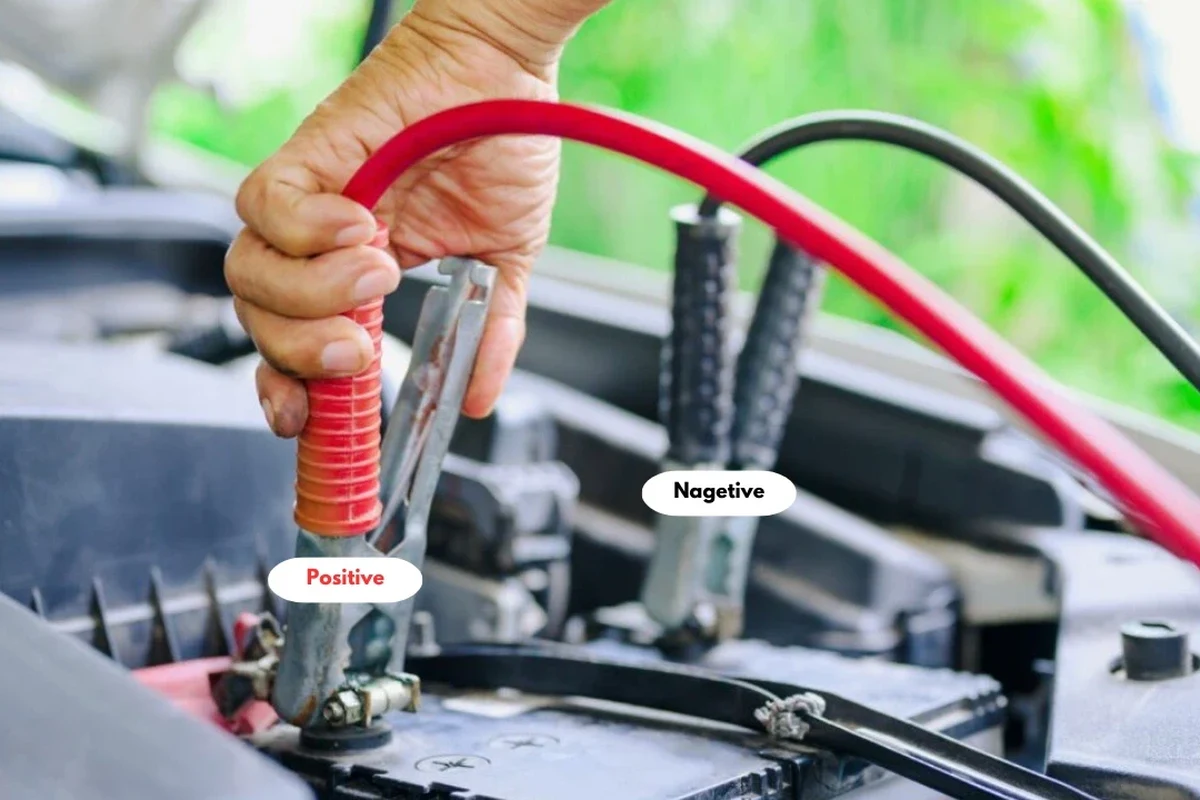
Always connect the positive (red) clamp first and then the negative (black) clamp. Incorrect connections can cause sparks or damage to the vehicle’s electrical system.
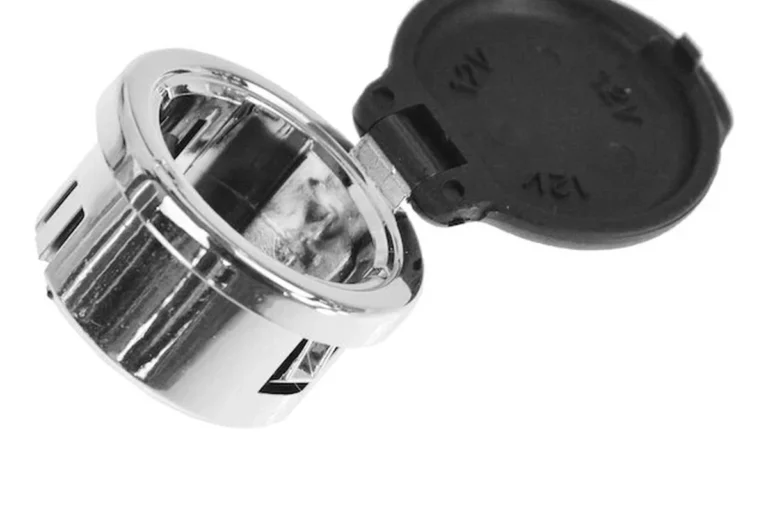
Ensure the cables are free from damage and that the clamps have good contact with the battery terminals. This also connects with 12 volt accessory power outlet socket before you pay, sign, or book.
- Check one: Ensure the gauge is suitable for your vehicle type.
- Check two: Confirm the length fits the distance between vehicles.
- Check three: Verify the amp rating meets your vehicle’s needs.
Jump-Starting a Vehicle: Step-by-Step Guide
Follow these steps for a safe and effective jump-start:
- Position the Vehicles
Park the working vehicle close to the dead vehicle, ensuring they don’t touch.
- Connect the Cables
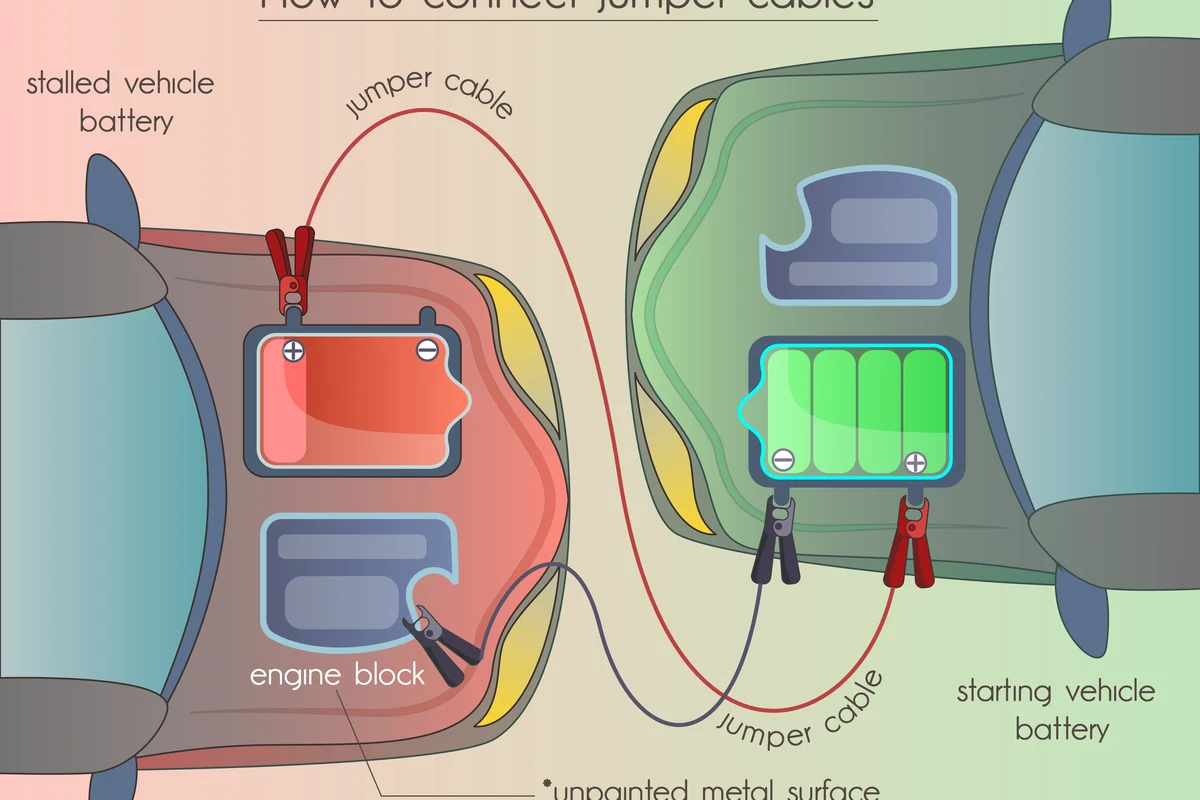
Attach the positive clamp to the dead battery, then to the working battery. Next, connect the negative clamp to the working battery and the other end to a metal surface on the dead vehicle.
- Start the Working Vehicle
Let it run for a few minutes, then attempt to start the dead vehicle.
- Remove the Cables
Remove the negative clamp first, then the positive, ensuring clamps don’t touch each other.
Common Mistakes to Avoid During Jump-Starts
Common mistakes include reversing the polarity, using damaged cables, and not allowing the dead battery enough time to charge. Always ensure the vehicles are in park and that all accessories are turned off. For related risk checks, compare this with editorial policy.
Always check that the vehicle is off and in park. Use eye protection and ensure the area is well-ventilated to avoid inhaling gases from the battery.
Battery Types and Their Impact on Jumper Cable Usage
Different battery types can influence how you should use jumper cables. Common battery types include lead-acid, AGM, and lithium-ion.
Lead-acid batteries are the most common and work well with standard jumper cables. AGM batteries require a higher amperage and should be handled with care. Lithium-ion batteries can be jump-started, but it’s essential to follow specific guidelines to prevent damage. You can also use disclaimer as the next practical guide.
Maintenance and Storage of Jumper Cables
Proper maintenance of jumper cables ensures they remain effective and safe. After each use, inspect the cables for frays or corrosion at the clamps. For official guidance on this, see NHTSA vehicle safety guidance.
Store cables in a cool, dry place to prevent damage. Use a carrying case to keep them organized and free from tangles. Regularly clean the clamps with a mixture of baking soda and water to remove corrosion. For related context, read sitemap.
AGM batteries can often benefit from a slower charge, so if you’re using jumper cables, ensure you’re not pulling too much current at once.
When to Replace Your Battery Instead of Jump-Starting
Jump-starting is a temporary solution. If your battery frequently dies, it may be time for a replacement. Signs include difficulty starting the engine, dimming headlights, or visible swelling of the battery case.
Refer to your vehicle’s owner manual for battery specifications and recommendations. If you’re unsure about your battery’s condition, it’s best to have it tested by a professional. You can also use affiliate disclosure as the next practical guide.
Choosing the Right Advance Auto Parts Jumper Cables
Selecting the appropriate Advance Auto Parts jumper cables is crucial for effective and safe jump-starting. Consider factors like gauge size, cable length, and amp rating to ensure compatibility with your vehicle type.
With options ranging from 12 to 25 feet and gauges suitable for various vehicle sizes, being informed will help you avoid common mistakes and ensure a reliable connection in emergencies.
- Confirm the gauge is suitable for your vehicle type.
- Ensure the cable length meets the distance between vehicles.
- Verify that the amp rating aligns with your vehicle’s needs.
This guide on advance auto parts jumper cables is general information. Specs, ratings, fitment, prices, and procedures can change, so confirm important points with your vehicle owner manual, the manufacturer, or the retailer before acting.
Questions Worth Asking
When selecting Advance Auto Parts jumper cables, consider the length (ranging from 12 to 25 feet), gauge (typically 4, 6, or 8), and amp ratings (400-1000 amps). These specifications determine the effectiveness and compatibility of the cables with your vehicle.
To connect jumper cables correctly, always attach the positive (red) clamp to the dead battery first, followed by the working battery, then connect the negative (black) clamp to the working battery and a metal surface on the dead vehicle. This order prevents sparks and potential damage to your vehicle’s electrical system.
Ensure that both vehicles are off and in park before connecting the cables, and use eye protection during the process. It’s also important to work in a well-ventilated area to avoid inhaling harmful gases released from the battery.
After each use, inspect the cables for any frays or corrosion at the clamps and store them in a cool, dry place to prevent damage. Using a carrying case can help keep the cables organized and free from tangles.
First, position the vehicles close without touching, connect the positive and negative clamps as specified, then start the working vehicle and let it run before attempting to start the dead vehicle. Finally, remove the cables in reverse order to ensure safety.
If your battery frequently dies, indicated by difficulty starting the engine or dimming headlights, it may be time for a replacement. Consult your vehicle’s owner manual for specifications and consider having the battery tested by a professional if unsure.
Final Words
Advance Auto Parts jumper cables are a reliable tool for any driver. Understanding their specifications, proper usage, and maintenance can help ensure you stay prepared for emergencies. Regularly check your cables and battery health to minimize the risk of being stranded.