Battery Booster vs Jump Starter Which One Is Best for You
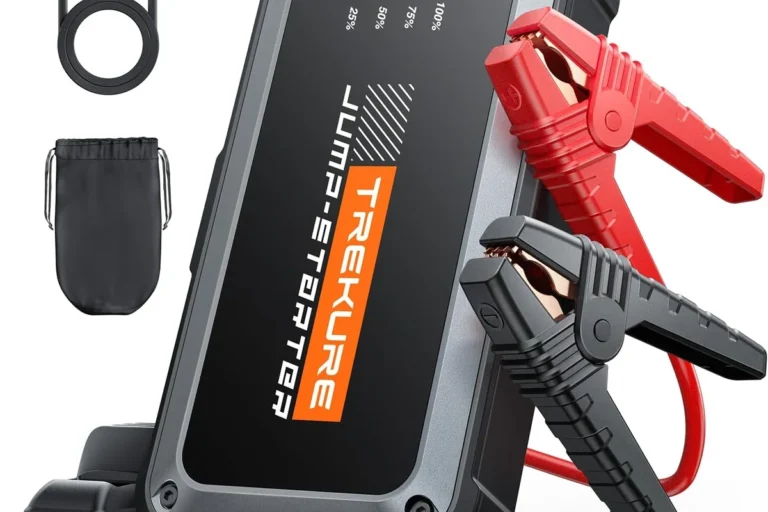
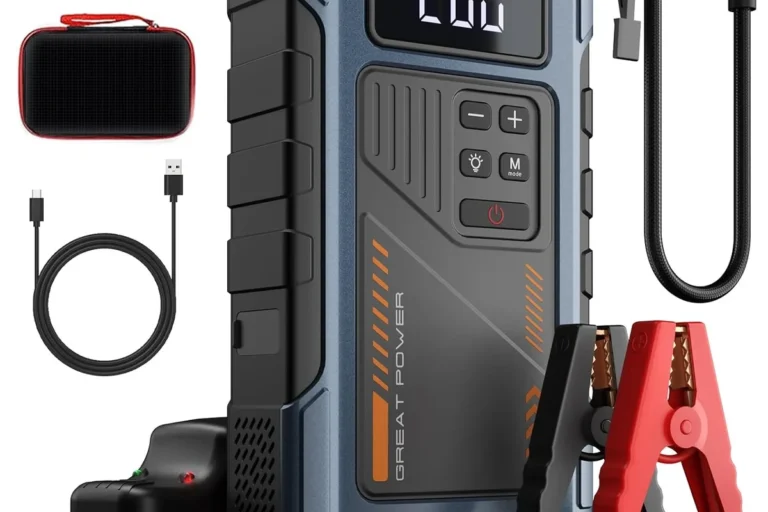
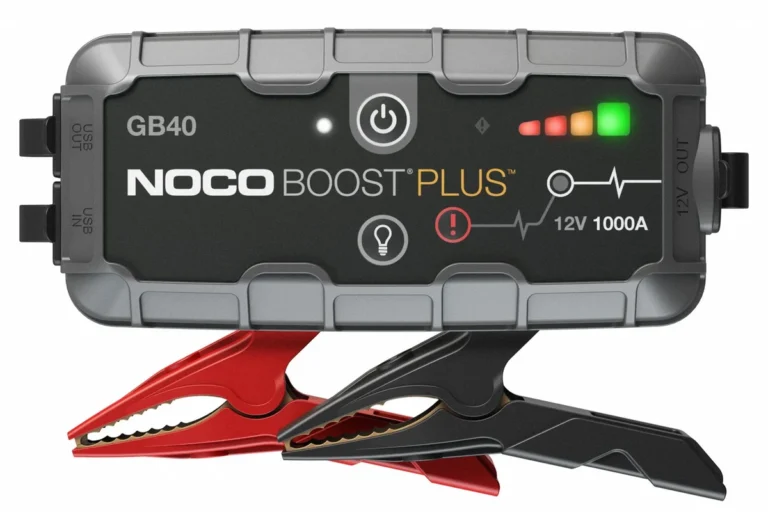
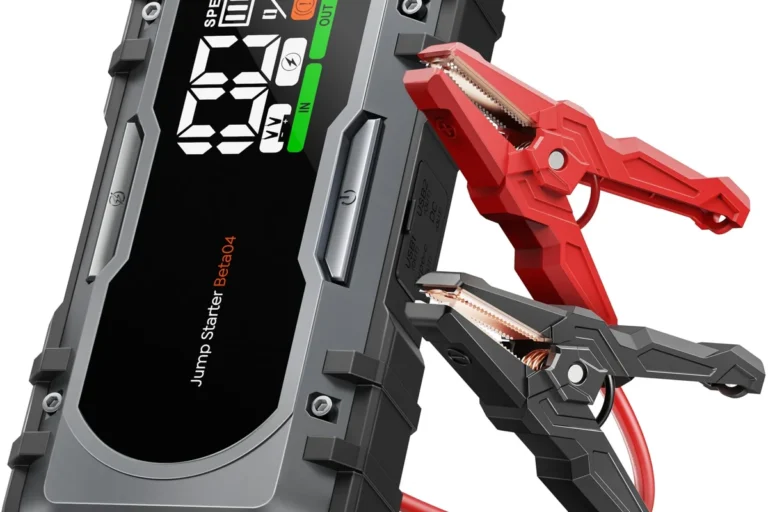
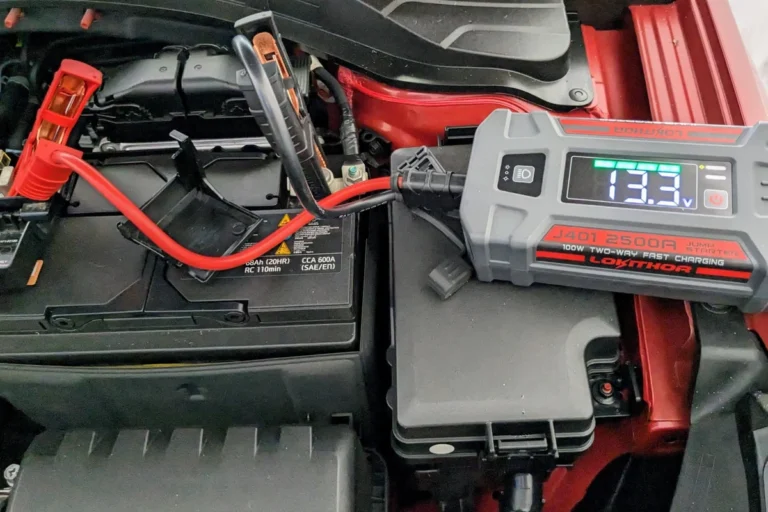
A jump starter, on the other hand, is a portable power source that can start a vehicle’s engine by providing an immediate surge of power. It connects directly to the battery terminals and supplies enough amperage to crank the engine, making it a critical tool for dead batteries.
If you’re weighing the options of a battery booster vs jump starter, it’s important to know their distinct functions. Battery boosters enhance a battery’s capacity, while jump starters provide the power needed to start a vehicle.
Here’s a closer look at which one is right for you.
- Understanding Battery Boosters and Jump: Before diving into the differences between these two devices, it’s important to understand what.
- Battery Booster vs. Jump Starter: Understanding the key differences will help you choose the right tool for your needs..
- Power Ratings: Peak Amps vs.: The power ratings of battery boosters and jump starters are crucial in determining their.
- Battery Types and Compatibility: Different vehicles come with various battery types, and compatibility with these batteries is essential.
- Safety Features to Consider: Safety is a top priority when dealing with battery devices..
Understanding Battery Boosters and Jump Starters
Before diving into the differences between these two devices, it’s important to understand what each one is and how they work.
Compatibility Gate: Ensure the Right Fit for Your Battery Device
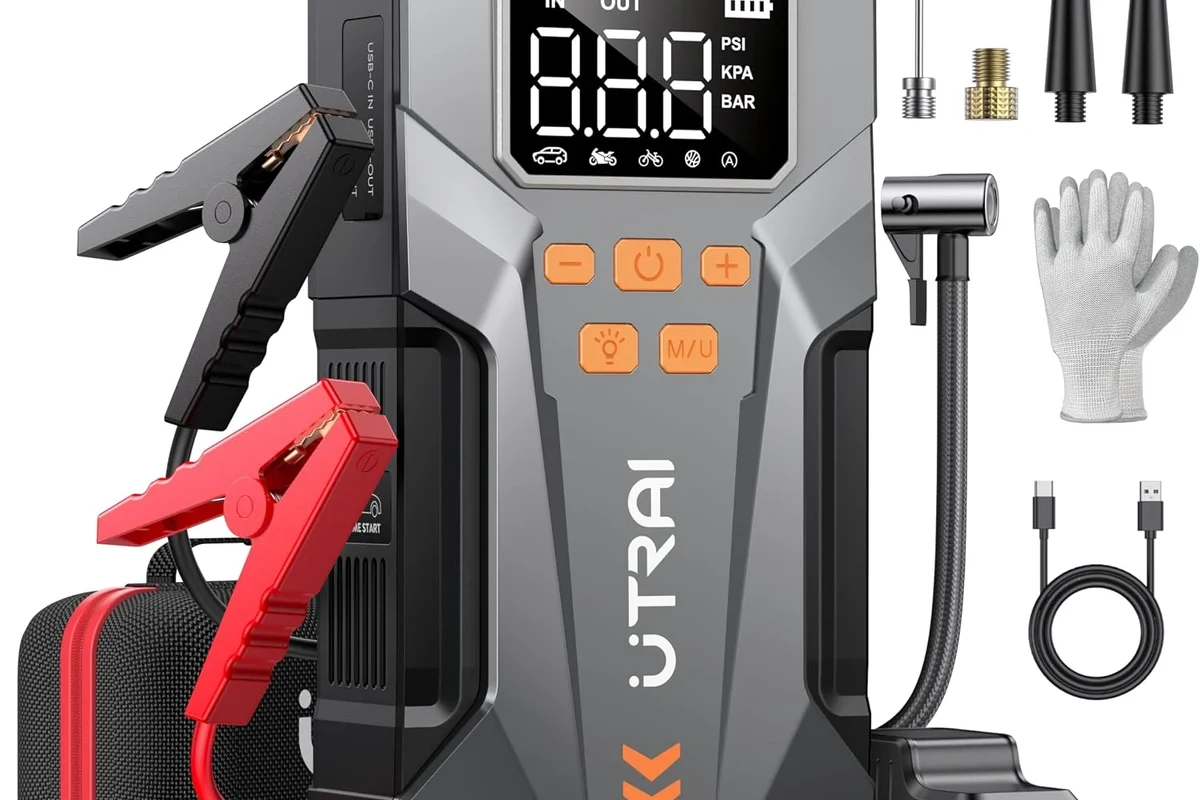
Choosing the right battery device requires careful consideration of compatibility with your vehicle’s battery type. Here’s a quick checklist to help you ensure that your battery booster or jump starter is a perfect match.
- Check device ratings for your specific battery type (lead-acid, AGM, lithium).
- Verify voltage compatibility, ensuring it’s suitable for 12V systems, which are standard for most vehicles.
- Confirm fitting and connector type to ensure a secure connection, especially for jump starters.
- Assess the power ratings, focusing on peak amps for jump starters to ensure sufficient starting power.
- Review manufacturer guidelines for any specific requirements related to your vehicle’s battery chemistry.
| Device Type | Description |
|---|---|
| Battery Booster | A device designed to enhance the performance of an existing battery, providing extra power to help start a vehicle. |
| Jump Starter | A portable device that provides a quick surge of power to start a vehicle with a dead battery. |
What They Are and How They Work
A battery booster is a device designed to enhance the existing charge of a vehicle’s battery, typically for maintenance or to temporarily boost battery performance. It helps in situations where the battery is weak but not completely dead.
A jump starter, on the other hand, is a portable power source that can start a vehicle’s engine by providing an immediate surge of power.
It connects directly to the battery terminals and supplies enough amperage to crank the engine, making it a critical tool for dead batteries. For related context, read how to charge a car battery.
Battery Booster vs. Jump Starter: Key Differences
Understanding the key differences will help you choose the right tool for your needs. Here’s a side-by-side look at their functionalities.
Functionality and Use Cases
Battery boosters are generally used for light maintenance tasks and can help in situations where the battery is still somewhat functional but requires a little extra help to perform optimally. They are ideal for regular battery care and can extend battery life.
Jump starters are used when a vehicle won’t start due to a completely dead battery. They are essential for roadside emergencies, providing a quick solution to get you back on the road in no time. You can also use car battery charger and engine starter as the next practical guide.
| Feature | Battery Booster | Jump Starter |
|---|---|---|
| Primary Function | Enhances battery capacity | Starts the engine |
| Use Case | Regular maintenance | Emergency starts |
| Portability | Portable | Highly portable |
| Power Source | Battery charge | Internal battery |
For battery booster vs jump starter, the right call depends on your vehicle, your skill level, and the one spec that decides the job; confirm that spec before you spend money or start the work.
Power Ratings: Peak Amps vs. Cranking Amps
The power ratings of battery boosters and jump starters are crucial in determining their effectiveness. Understanding these ratings will help you choose the right tool for your vehicle’s needs.
How Ratings Affect Performance
Peak amps refer to the maximum power output a jump starter can provide for a short time, while cranking amps measure sustained power output for starting an engine. For official guidance on this, see Battery Council International.
For most vehicles, a jump starter should have at least 300-400 cranking amps to effectively start the engine.
Battery boosters generally don’t provide a specific amp rating, as their purpose is more about maintaining battery health than providing a surge of power. However, a good booster will help stabilize the voltage and improve overall battery performance. For related context, read 12 volt accessory power outlet socket.
Battery Types and Compatibility
Different vehicles come with various battery types, and compatibility with these batteries is essential for effective performance. Knowing the types will help you choose the right device.
AGM, Lithium, and Lead-Acid Explained
Lead-acid batteries are the most common type found in vehicles. Both battery boosters and jump starters are generally compatible with lead-acid batteries. However, it’s essential to check the device specifications to ensure compatibility with your battery type.
AGM (Absorbent Glass Mat) batteries require special care, and not all jump starters are equipped to handle them. Lithium batteries are lighter and can hold a charge longer but often require specific jump starters designed for their chemistry. You can also use terms and conditions as the next practical guide.
Always refer to the manufacturer’s guidelines for your specific battery type.
- Check one: Ensure the device is rated for your battery type (lead-acid, AGM, lithium).
- Check two: Verify the voltage compatibility (12V for most vehicles).
- Check three: Confirm fitting and connector type for jump starters.
Safety Features to Consider
Safety is a top priority when dealing with battery devices. Understanding safety features can prevent accidents and ensure proper functionality.
Polarity, Clamps, and Smart Charging Modes
Look for devices with color-coded clamps to ensure you connect them correctly. Incorrect connections can damage both the device and your vehicle’s battery.
Many modern jump starters come with smart charging modes that automatically adjust the power output depending on the battery’s needs. This feature is especially useful for preventing overcharging and maintaining battery health. For related context, read editorial policy.
Compare the one spec that decides the job first, then price. Check warranty and support on both options, not only the feature list. Check whether either option needs extra adapters or accessories.
Performance in Cold Weather Conditions
Cold temperatures can significantly affect battery performance. Knowing how each device performs in these conditions can help you prepare for winter.

How Temperature Affects Battery Performance
Both battery boosters and jump starters can struggle in cold weather. Cold temperatures can lower the chemical reactions in batteries, reducing their efficiency. A jump starter should have higher cranking amps to compensate for this loss in performance.
It’s also wise to store your jump starter in a warmer environment when not in use, as extreme cold can affect its internal battery life and capacity. You can also use disclaimer as the next practical guide.
Best Fit Scenarios for Each Option
Deciding between a battery booster and a jump starter often depends on your specific needs and lifestyle. Here’s a breakdown of when to choose each one. For official guidance on this, see CPSC consumer product safety.
When to Choose a Battery Booster vs. a Jump Starter
Choose a battery booster if you regularly maintain your vehicle’s battery, want to prolong its lifespan, or need a tool for light maintenance tasks. They are also suitable for those who want a more budget-friendly option for battery care.
A jump starter is ideal for drivers who frequently face dead battery situations, whether due to an older vehicle or simply forgetting to turn off the lights.
They are crucial for anyone who travels long distances or lives in areas with harsh weather conditions. For another head-to-head, read sitemap.
Warranty and Support: What to Expect
When investing in battery devices, understanding warranty and support options is key for confidence.
Brands Known for Quality and Reliability
Look for reputable brands that offer solid warranties and customer support. Brands such as NOCO, DBPOWER, and Stanley are known for their reliability in jump starters, while others like Schumacher and CTEK offer quality battery boosters.
Always check the warranty terms, as they can vary significantly between manufacturers and models. A longer warranty often indicates a higher quality product. You can also use affiliate disclosure as the next practical guide.
Choosing Between a Battery Booster and a Jump Starter
When deciding between a battery booster and a jump starter, consider your specific automotive needs. A battery booster is best for regular maintenance and enhancing battery performance, while a jump starter is essential for quick starts in emergencies.
Evaluate your vehicle type, driving habits, and the condition of your battery to make the right choice.
- Assess your vehicle’s battery type for compatibility with boosters or jump starters.
- Determine if you need a device for maintenance tasks or emergency starts.
- Check power ratings to ensure the device meets your vehicle’s starting requirements.
This guide on battery booster vs jump starter is general information. Specs, ratings, fitment, prices, and procedures can change, so confirm important points with your vehicle owner manual, the manufacturer, or the retailer before acting.
Quick Questions, Answered
A battery booster enhances the existing charge of a vehicle’s battery, making it suitable for maintenance tasks. In contrast, a jump starter provides an immediate surge of power required to start a vehicle with a dead battery.
You should choose a battery booster if you regularly maintain your vehicle’s battery and want to prolong its lifespan. It’s ideal for light maintenance tasks rather than emergency starts.
The power ratings, specifically cranking amps, indicate the sustained power output necessary for starting an engine. For most vehicles, a jump starter should have at least 300-400 cranking amps to be effective.
Both battery boosters and jump starters are generally compatible with lead-acid batteries, which are the most common. However, AGM and lithium batteries require special considerations, and you should always check device specifications for compatibility.
Look for jump starters with color-coded clamps to prevent incorrect connections, which can damage the battery and device. Also, many modern jump starters include smart charging modes that adjust power output automatically, protecting against overcharging.
Cold temperatures can reduce the efficiency of both devices, as they lower chemical reactions in batteries. Jump starters should have higher cranking amps to compensate for this loss, and it’s advisable to store them in warmer environments when not in use.
Putting It All Together
Choosing between a battery booster vs jump starter ultimately depends on your specific needs. If you’re looking for a tool for regular maintenance and battery health, go for a booster.
For emergencies and immediate battery starting needs, a jump starter is essential. Assess your situation, vehicle type, and driving habits to make the best choice for your automotive needs.