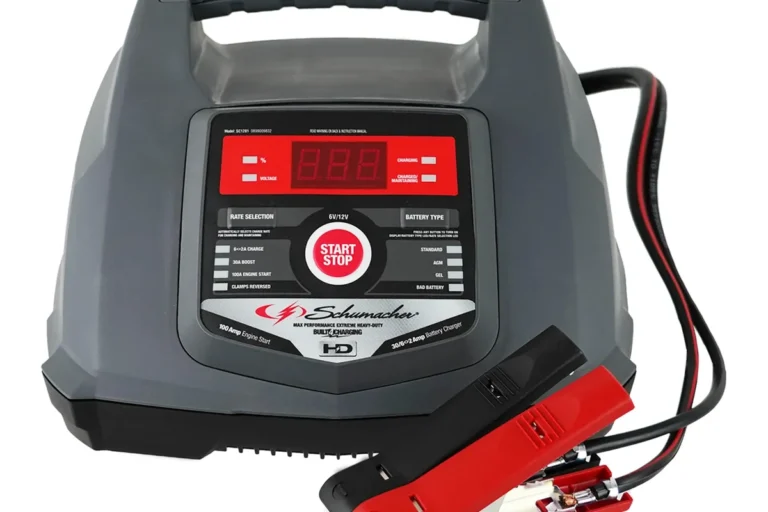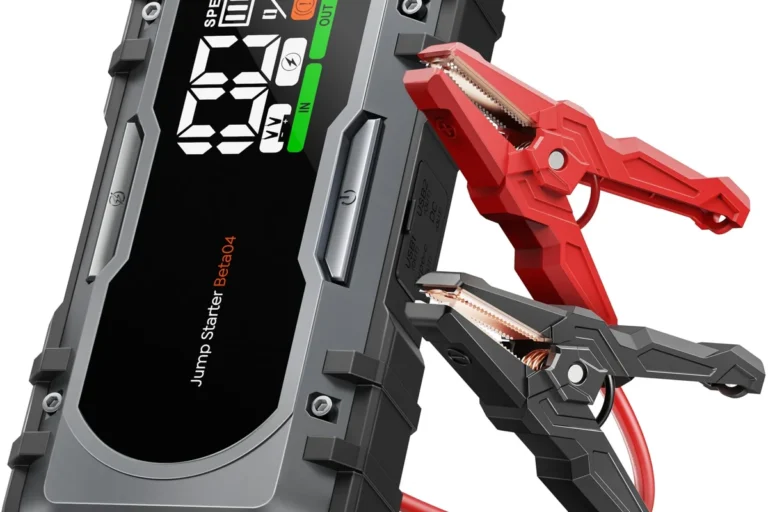
Battery Charger vs Jump Starter Reddit Which Is Best
The core differences between these two tools revolve around their power delivery methods and intended uses. While battery chargers are primarily used for long-term battery maintenance, jump starters are geared towards quick, on-the-spot solutions when you need to start a vehicle immediately.
A battery charger is designed for maintaining battery health over time, while a jump starter provides immediate power to start a vehicle. Understanding the differences in “battery charger vs jump starter reddit” can help you choose the right tool for your needs. You can also use affiliate disclosure as the next practical guide.
- Understanding Battery Chargers and Jump: Battery chargers and jump starters serve distinct purposes when it comes to automotive battery.
- Battery Charger vs. Jump Starter: The core differences between these two tools revolve around their power delivery methods and.
- Best-Fit Scenarios for Battery Chargers: Battery chargers are best suited for regular maintenance, especially for vehicles that aren’t used.
- When to Use a Jump: Jump starters are perfect for emergency situations when you need to get your vehicle.
- Cost Comparison: Battery Chargers vs.: For cost, battery chargers generally range from $30 to $150, while.
Understanding Battery Chargers and Jump Starters
Battery chargers and jump starters serve distinct purposes when it comes to automotive battery management. A battery charger replenishes a depleted battery slowly, making it ideal for regular maintenance.
In contrast, a jump starter delivers a quick surge of power to start a vehicle with a dead battery, making it essential during emergencies. For related context, read car battery charger and engine starter.
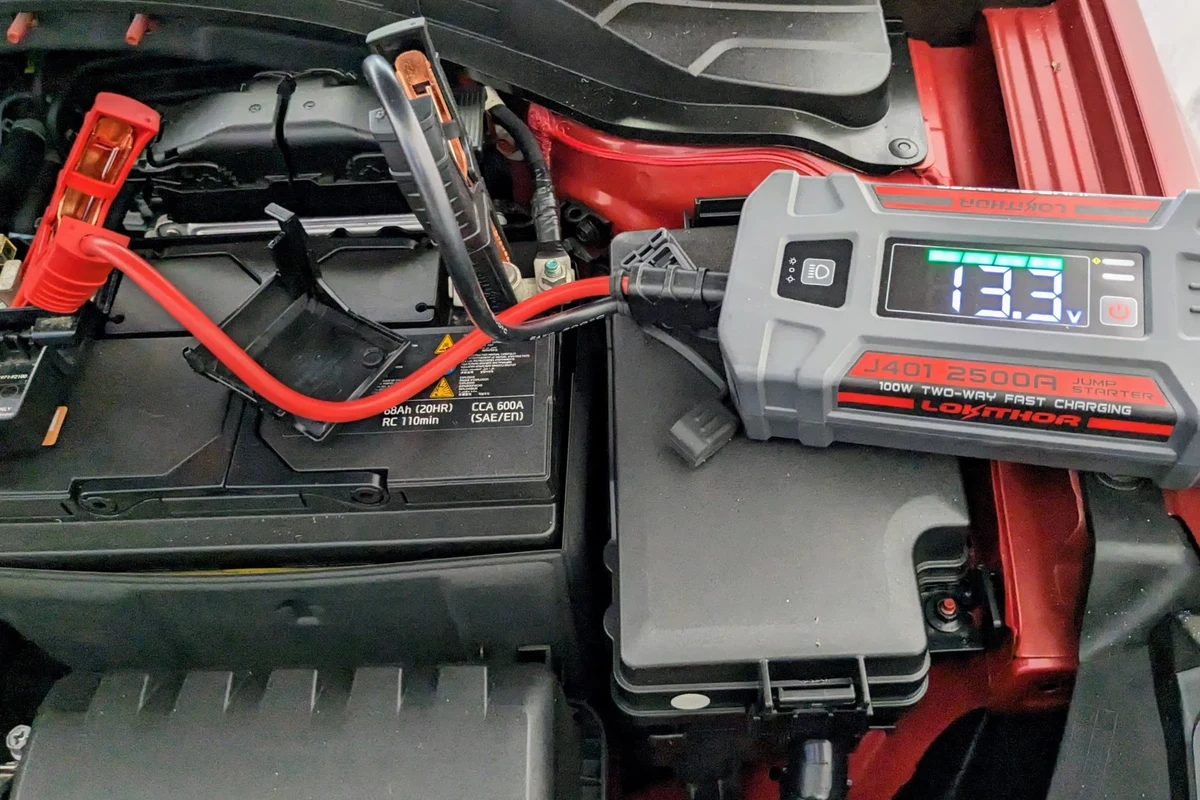
| Feature | Battery Charger | Jump Starter |
|---|---|---|
| Purpose | Replenishes battery slowly | Provides quick power surge |
| Use Case | Regular maintenance | Emergency starts |
| Charging Time | Hours to days | Seconds to minutes |
| Portability | Less portable | Highly portable |
- Battery charger that matches your vehicle’s battery size.
- Extension cord for optimal reach.
- Safety goggles to protect eyes while charging.
Battery Charger vs. Jump Starter: Core Differences
The core differences between these two tools revolve around their power delivery methods and intended uses. While battery chargers are primarily used for long-term battery maintenance, jump starters are geared towards quick, on-the-spot solutions when you need to start a vehicle immediately.
Power Output and Performance
Understanding the power output specifications is crucial when comparing these devices. Jump starters typically have higher peak amps and cranking amps, allowing them to start vehicles quickly.
Battery chargers, on the other hand, focus on delivering a steady current over a longer period. Below is a table comparing the specifications of popular models. You can also use how to charge a car battery as the next practical guide.
| Type | Peak Amps | Charging Time | Suitable Battery Types |
|---|---|---|---|
| Jump Starter | 600-2000A | Instant | Lead-acid, AGM, Lithium-ion |
| Battery Charger | 2-20A | 5-12 hours | Lead-acid, AGM |
Best-Fit Scenarios for Battery Chargers
Battery chargers are best suited for regular maintenance, especially for vehicles that aren’t used frequently. If you have a classic car or a seasonal vehicle, a battery charger can help keep the battery healthy over time. For related fitment checks, see 12 volt accessory power outlet socket.
They are also ideal for charging batteries fully before long trips.
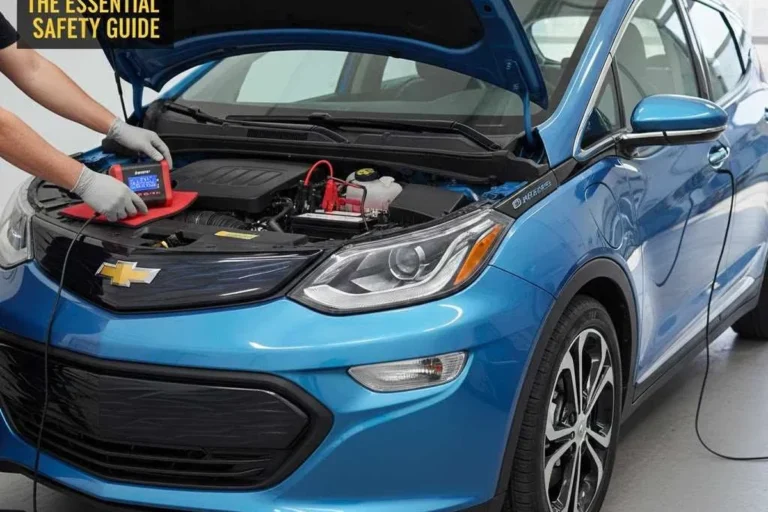
Always wear safety goggles when working with batteries, and ensure the vehicle is off before connecting your charger or jump starter to prevent electrical shock. For official guidance on this, see Battery Council International.
When to Use a Jump Starter
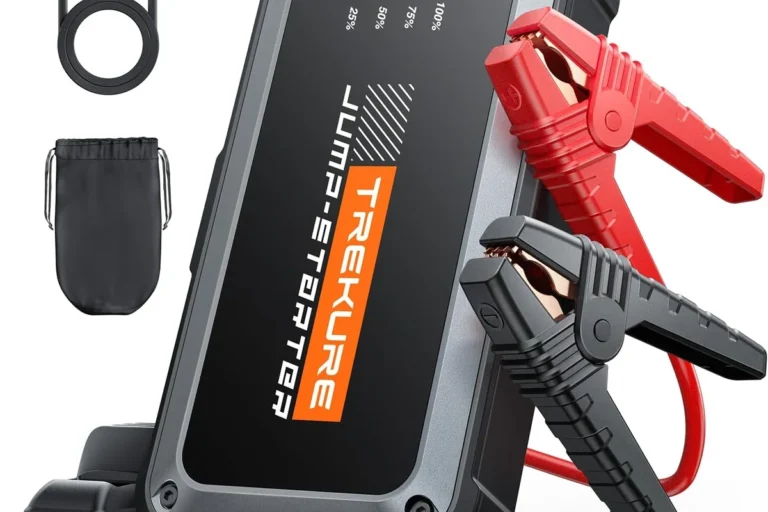
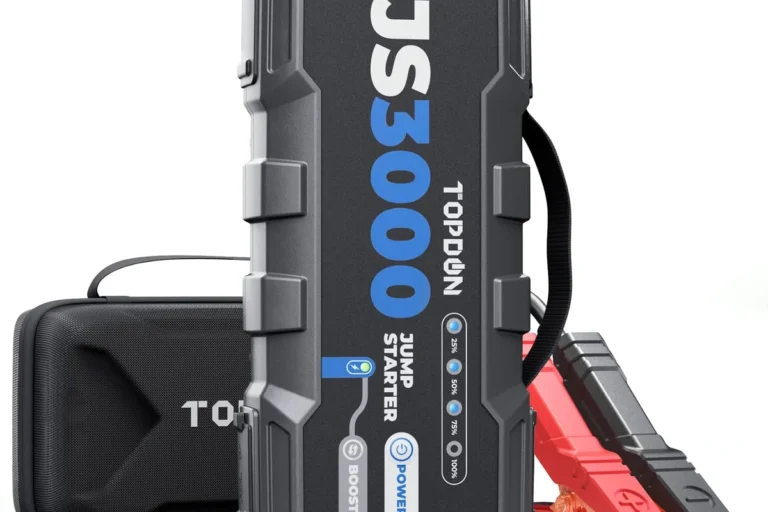
Jump starters are perfect for emergency situations when you need to get your vehicle running fast.
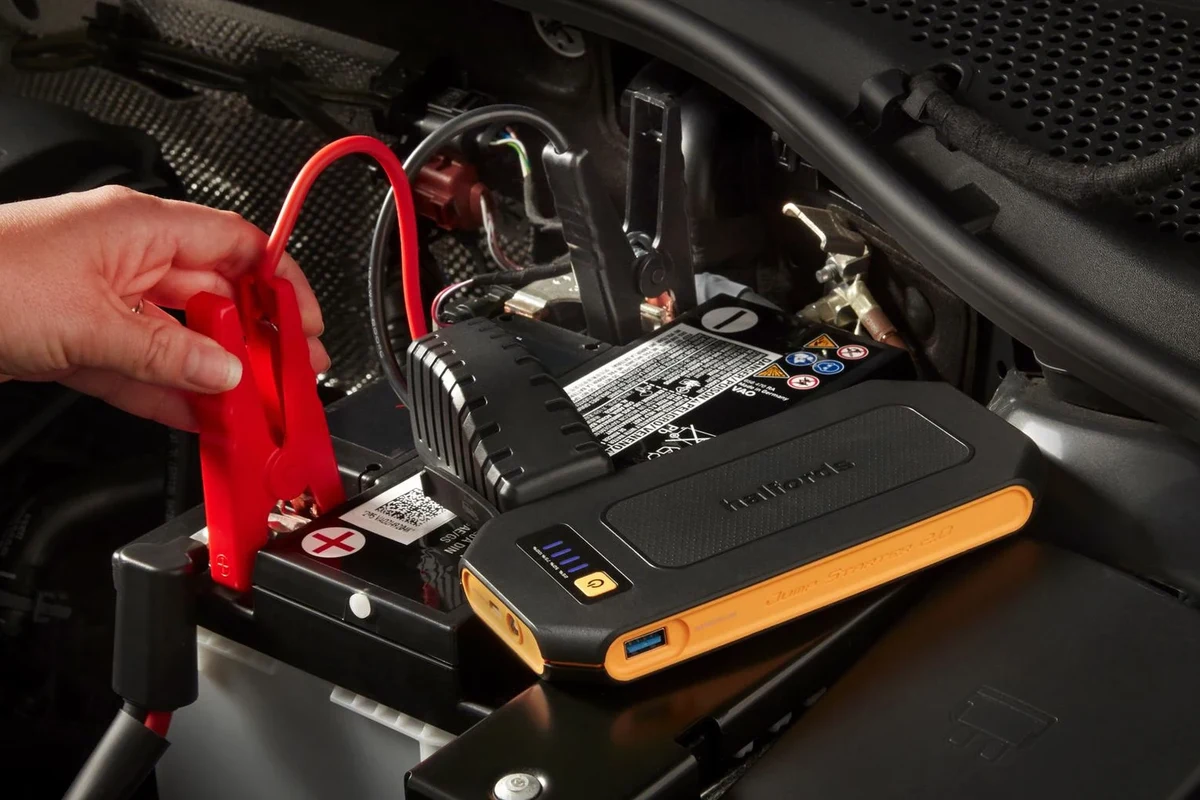
If you find yourself in a parking lot with a dead battery, a jump starter can provide the immediate power needed to start your vehicle without the need for another car.
Safety Considerations for Each Device
Safety features are crucial when using either device. Jump starters often come with built-in protections against reverse polarity, which prevents damage to both the jump starter and the vehicle’s electrical system. This also connects with terms and conditions before you pay, sign, or book.
Battery chargers may feature automatic shut-off and overcharge protection to ensure battery safety. For official guidance on this, see CPSC consumer product safety.
- Confirm the exact fit for your vehicle’s battery type.
- Check warranty and return terms before purchasing.
- Compare features like USB ports or air compressors in jump starters.
Cost Comparison: Battery Chargers vs. Jump Starters
For cost, battery chargers generally range from $30 to $150, while jump starters can vary from $50 to over $200 depending on their power output and features.
Consider how often you’ll use each device when weighing the cost against its utility. For another head-to-head, read editorial policy.
For regular maintenance, choose a battery charger; for immediate assistance, opt for a jump starter. Both tools have their unique advantages and are beneficial in different scenarios.
Conclusion: Which Should You Choose?
Choosing between a battery charger and a jump starter depends on your specific needs. If you’re looking for long-term battery health and maintenance, a battery charger is the way to go.
Conversely, if you need a reliable solution for emergencies, a jump starter will serve you well. You can also use disclaimer as the next practical guide.
This guide on battery charger vs jump starter reddit is general information. Specs, ratings, fitment, prices, and procedures can change, so confirm important points with your vehicle owner manual, the manufacturer, or the retailer before acting.
Questions Drivers Ask
The core differences revolve around their intended uses: a battery charger is meant for long-term maintenance, while a jump starter provides immediate power to start a vehicle. This distinction is crucial for determining which tool best suits your needs.
Battery chargers are ideal for regular maintenance, especially for vehicles that aren’t used frequently, like classic cars or seasonal vehicles. They also work well for fully charging batteries before long trips.
When comparing power output, jump starters typically have higher peak amps and cranking amps, allowing them to start vehicles quickly. In contrast, battery chargers focus on delivering a steady current over a longer period for gradual charging.
Jump starters often come with built-in protections against reverse polarity, which prevents potential damage to the vehicle’s electrical system. It’s essential to wear safety goggles and ensure the vehicle is off before use to avoid electrical shock.
Battery chargers generally range from $30 to $150, while jump starters can vary from $50 to over $200 depending on their power output and features. It’s important to consider your usage frequency when evaluating the cost-to-utility ratio.
Jump starting a vehicle typically takes about 5-10 minutes, making it a quick solution during emergencies. No special tools are required, and the process is beginner-friendly with easy-to-follow instructions.
Final Thoughts
Ultimately, understanding the differences between a battery charger and a jump starter will help you make a better decision for your automotive needs. Investing in the right tool can save you time, money, and headaches down the road. For related context, read sitemap.