Jump Starter vs Charger Which One Is Best for Your Vehicle
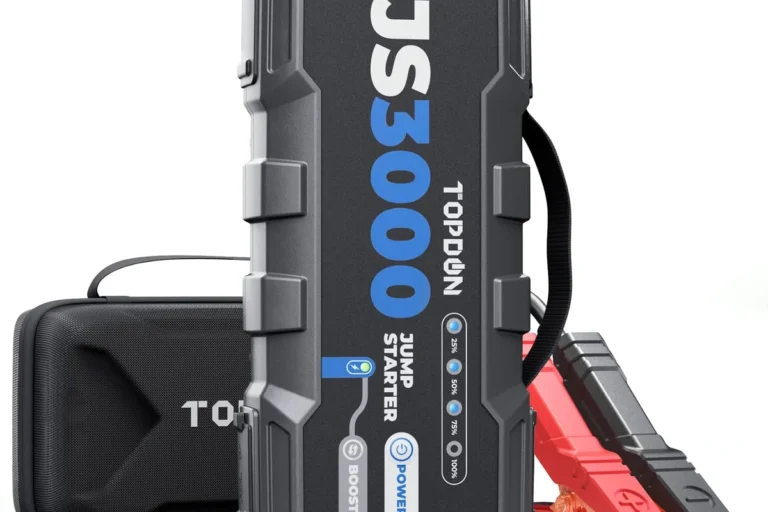
Jump starters and battery chargers serve different purposes. A jump starter is designed for quick, emergency starts, allowing you to get your vehicle running without needing another car.
When weighing the options of a jump starter vs charger, it’s crucial to understand their distinct roles. A jump starter provides immediate power to start a vehicle, while a battery charger replenishes battery charge over time.
This guide will help clarify their uses and specifications.
- Quick power: Jump starters provide immediate power to start dead batteries.
- Maintenance tool: Battery chargers are designed for regular battery maintenance.
- Amp ratings matter: Look at peak and cranking amps for jump starters; amp output for chargers.
- Safety features: Ensure devices have protections like reverse polarity and smart charging modes.
Understanding the Essential Functions of Jump Starters and Battery Chargers
Jump starters and battery chargers serve different purposes. A jump starter is designed for quick, emergency starts, allowing you to get your vehicle running without needing another car.
On the other hand, a battery charger is meant for regular maintenance, aimed at restoring and maintaining the battery’s charge over an extended period. For related context, read best portable jump starter with air compressor.

| Feature | Jump Starter | Battery Charger |
|---|---|---|
| Primary Use | Emergency starts | Regular maintenance |
| Operation Time | Instant | Extended |
| Power Source | Portable battery | Wall outlet |
| Vehicle Dependency | No | Yes |
Lithium jump packs self-discharge and cold hurts them, so a pack that worked in summer can be flat by winter unless you top it up every few months.
Jump Starter vs Charger: Key Differences Explained
Understanding the key differences between jump starters and chargers can help you make an informed choice based on your needs. While both devices are related to battery performance, they cater to different situations.
Functionality: Quick Starts vs. Long-Term Maintenance
Jump starters offer a fast solution for dead batteries, providing a high surge of power to crank the engine. In contrast, battery chargers are slower, designed to recharge the battery over several hours or overnight, making them ideal for routine maintenance. This choice also connects with battery charger vs jump starter reddit.
Specifications That Matter: Peak Amps, Cranking Amps, and More
When comparing jump starters and battery chargers, it’s essential to look at specific specifications that affect performance. Key specifications include amp ratings, battery chemistry compatibility, and additional features like safety mechanisms. For official guidance on this, see Battery Council International.
Amp Ratings: What You Need to Know
Amp ratings are critical for both jump starters and chargers. Jump starters are rated by peak amps and cranking amps, which indicate their power output.
Peak amps represent the maximum current delivered for a short period, while cranking amps measure the current supplied to start an engine at low temperatures.
For battery chargers, look for the amp output, as it determines how quickly the charger can replenish the battery. For related context, read jump starter vs booster.
For jump starter vs charger, the right call depends on your vehicle, your skill level, and the one spec that decides the job; confirm that spec before you spend money or start the work.
Best Fit Scenarios: When to Use Each Option
Choosing between a jump starter and a charger depends on your specific needs and situations. Consider the circumstances in which you’ll use these tools.
Emergency Situations vs. Routine Care
Jump starters are ideal for emergency scenarios when you need to get your vehicle running immediately, such as when your battery dies unexpectedly. For official guidance on this, see CPSC consumer product safety.
Battery chargers are better suited for regular maintenance, especially for vehicles that are seldom driven, ensuring the battery remains charged and healthy over time. This choice also connects with car battery charger vs jumper.
Compare the deciding spec, build quality, and warranty.
Run the same checks, then compare price and support.
Safety Features: Protecting Your Vehicle’s Battery
Safety should never be overlooked when using jump starters or battery chargers. Both devices come with features designed to protect both the vehicle and user from potential hazards.

Polarity, Clamp Quality, and Smart Charging Modes
Look for jump starters that include reverse polarity protection to prevent damage from incorrect connections. Similarly, battery chargers with smart charging modes can adjust the voltage and current to suit different battery types (like lithium or AGM), enhancing safety and efficiency. For related context, read battery booster vs jump starter.
- Peak vs cranking
- Peak amps versus sustained cranking amps.
- Engine size
- Largest gas or diesel engine it is rated to start.
- Chemistry
- Lithium or lead-acid, and charger modes for AGM.
Exact figures vary by model and vehicle, so confirm them in the owner manual or on the current product page.
Pricing and Warranty Considerations
Pricing can vary significantly between jump starters and battery chargers. While entry-level chargers might be less expensive, high-quality jump starters can save you in emergency situations. Always check warranty options, as they can indicate the manufacturer’s confidence in their product’s durability. You can also use battery charger vs jump start as the next practical guide.
When to Replace Your Battery Instead of Recharging
Understanding when to replace your car battery is crucial. If your battery is frequently dead even after charging, has a reduced capacity, or shows signs of corrosion, consider replacing it instead of continuing to recharge. For related context, read car battery charger and engine starter.
- Confirm the exact fit, rating, or size for your vehicle.
- Check what is and is not included in the box.
- Compare warranty and return terms.
Choosing Between a Jump Starter and a Charger
Deciding between a jump starter and a charger hinges on your specific vehicle needs. If you frequently face unexpected battery failures, a jump starter offers immediate power to get you back on the road.
Conversely, for regular maintenance to ensure your battery remains healthy, a charger is the optimal choice, providing a steady recharge over time. You can also use battery jumper vs charger as the next practical guide.
- Assess your typical vehicle usage to determine if emergencies or routine maintenance are more common.
- Evaluate the amp ratings of each device to match your vehicle’s requirements.
- Consider safety features like reverse polarity protection in jump starters and smart charging modes in chargers.
This guide on jump starter vs charger is general information. Specs, ratings, fitment, prices, and procedures can change, so confirm important points with your vehicle owner manual, the manufacturer, or the retailer before acting.
Common Questions
A jump starter is designed for quick, emergency starts, providing immediate power to crank the engine. In contrast, a battery charger is intended for long-term maintenance, slowly replenishing the battery’s charge over several hours or overnight.
Jump starters are rated by peak amps and cranking amps, which indicate their power output for starting an engine. Battery chargers, on the other hand, have an amp output that determines how quickly they can replenish the battery charge.
A jump starter is best used in emergency situations when you need to start your vehicle immediately due to a dead battery. Conversely, a battery charger is more suitable for regular maintenance, especially for vehicles that are not frequently driven.
Look for jump starters that include reverse polarity protection to prevent damage from incorrect connections. Battery chargers with smart charging modes can adjust voltage and current for different battery types, enhancing safety and efficiency.
Pricing can significantly vary, with entry-level battery chargers often being less expensive than high-quality jump starters. It’s essential to check warranty options, as they reflect the manufacturer’s confidence in the durability of their products.
If your battery frequently dies even after charging, has diminished capacity, or exhibits signs of corrosion, consider replacing it. Continuing to recharge a failing battery can lead to further complications and may not resolve the underlying issues.
Final Words
The choice between a jump starter vs charger largely comes down to your needs. If you often find yourself in situations where your car battery dies unexpectedly, a jump starter is essential.
For regular maintenance, a charger will keep your battery in good shape.